
0% intro APR until 2024 is 100% insane
When it comes to credit cards that promise a lengthy reprieve from interest, the Wells Fargo Reflect® Card stands out like a lighthouse for borrowers staring down a high‑interest balance.
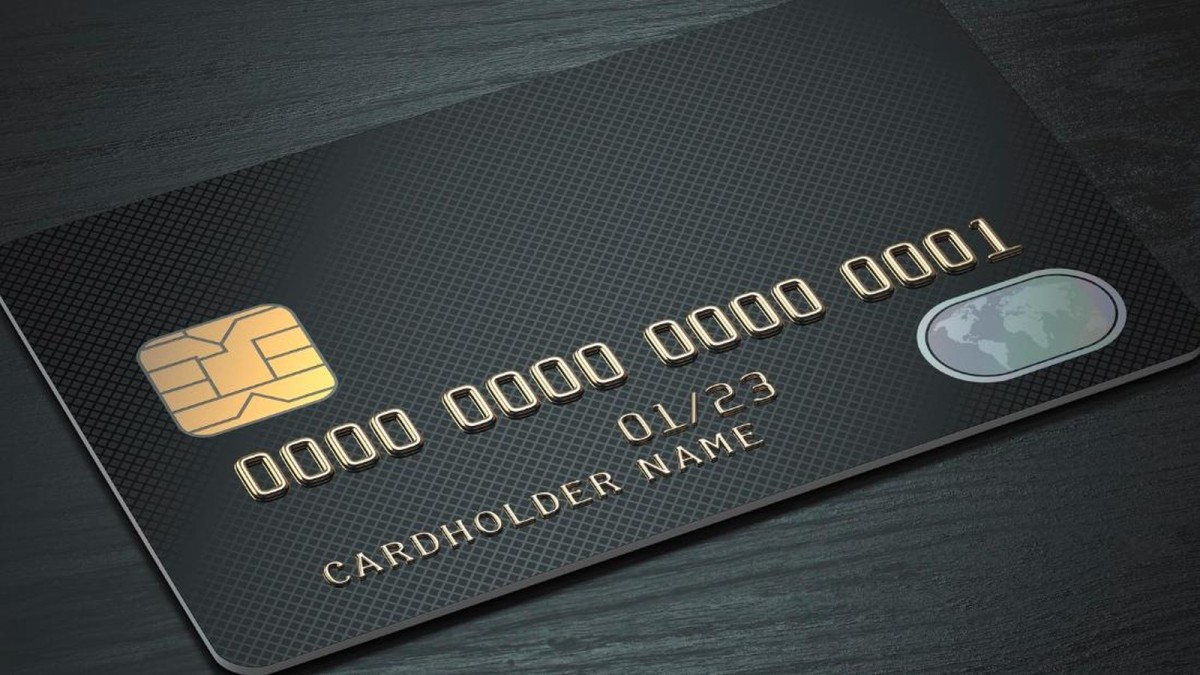
When it comes to credit cards that promise a lengthy reprieve from interest, the Wells Fargo Reflect® Card stands out like a lighthouse for borrowers staring down a high‑interest balance. In a market flooded with short‑term promos, this card offers a 0% introductory APR that stretches for 21 months on both purchases and qualifying balance transfers—a duration that the Motley Fool’s personal‑finance writer Joel O’Leary calls “hard to beat.” For anyone whose primary goal is to stop interest cold, the Reflect card delivers a clear, no‑frills solution, though it does so at the cost of long‑term perks.
Why the 21‑Month Introductory APR Matters
The headline feature of the Wells Fargo Reflect® Card is its 0% intro APR for 21 months from account opening on purchases and qualifying balance transfers. That length of time is among the longest available in the credit‑card market today, according to O’Leary’s review. For a borrower with a balance of $5,000 or more, each month without interest translates into a tangible reduction in the total cost of borrowing. The longer the promotional window, the less pressure there is to make large monthly payments, giving cardholders breathing room to pay down principal at a comfortable pace.
After the promotional period ends, the card shifts to a variable APR that can range from 17.74% to 28.49%, depending on the borrower’s credit profile. While that post‑promo rate is comparable to other high‑interest cards, the savings accrued during the interest‑free stretch can be significant. O’Leary notes that the Reflect card earned Motley Fool Money’s award for Best 0% Intro APR Card of 2026, underscoring its standing in the niche of interest‑saving products.
The Trade‑Off: No Rewards, No Welcome Bonus
What the Reflect card lacks in rewards, it makes up for in simplicity. The card carries no annual fee, and it does not offer a cash‑back or travel‑rewards program, nor does it provide a welcome bonus. O’Leary is blunt: “If you’re looking for cash back or travel rewards, this is not the card for you.” The moment the introductory period expires, the card’s value drops sharply because it offers no ongoing perks to offset the higher variable APR.
For consumers whose financial strategy centers on minimizing interest rather than earning points, this omission is a minor inconvenience. However, for those who expect a credit card to serve as a dual tool—both a financing vehicle and a rewards engine—the Reflect card may feel like a single‑purpose instrument that loses most of its appeal once the intro period ends.
Fees and Balance‑Transfer Costs
The Reflect card’s balance‑transfer fee is 5% of the transferred amount, with a minimum fee of $5. While O’Leary points out that this fee is higher than some competing cards, he argues that the extended 21‑month interest‑free window can outweigh the upfront cost for borrowers who need a long runway to pay down a large balance.
Potential cardholders should weigh this fee against the interest they would otherwise pay on existing high‑rate debt. If the interest saved over the 21‑month period exceeds the transfer fee, the transaction can be financially advantageous. The card’s fee structure is straightforward, and there are no hidden annual charges to surprise users after the promotional period.
Ancillary Benefits: Cellphone Protection
Beyond its core interest‑free promise, the Reflect card includes a modest cellphone‑protection benefit. When the cardholder pays a monthly phone bill with the Reflect card, they receive coverage up to $600 per claim for theft or damage, subject to a $25 deductible, and can file up to two claims per 12‑month period. O’Leary describes himself as a “frequent phone‑dropper” and appreciates having this safety net in his back pocket, even though he has never needed to file a claim.
This ancillary perk adds a layer of practical value, especially for consumers who already use their credit cards to pay recurring bills. While it does not compare to the robust travel or purchase protections found on premium cards, it does provide a tangible benefit that can offset the lack of a rewards program for some users.
Impact on Credit Building
Keeping the Reflect card open can positively influence a borrower’s credit profile. Because the card carries no annual fee, it can sit in a wallet indefinitely without costing the cardholder. Over time, the account contributes to the length of credit history—a factor that credit‑scoring models weigh heavily. O’Leary notes that “keeping the card open can help your credit score by lengthening your average credit history over time,” a point that resonates with consumers looking to build or maintain strong credit.
Moreover, the card’s $0 annual fee means there’s no financial penalty for maintaining the account after the intro period ends, even if the holder no longer uses it for purchases. This low‑maintenance characteristic makes the Reflect card a viable option for those seeking a “set‑and‑forget” tool to manage debt while preserving credit health.
Who Should Consider the Reflect Card?
The Reflect card is best suited for borrowers carrying high‑interest debt or planning a sizable purchase they intend to pay off over an extended period. O’Leary emphasizes that the card shines for “people carrying high‑interest debt or planning a large purchase they want to spread out over time.” The 21‑month interest‑free window provides ample time to devise a repayment strategy without the pressure of accruing daily interest.
Conversely, the card is less appropriate for consumers whose primary credit‑card usage revolves around earning rewards, traveling, or taking advantage of welcome bonuses. For those users, the lack of a rewards program and the absence of a post‑promo perks structure make the Reflect card a poor fit. The decision hinges on whether the borrower values interest savings above all else.
Bottom Line: A Focused Tool for Interest‑Savvy Consumers
In the crowded credit‑card landscape, the Wells Fargo Reflect® Card carves out a niche by offering one of the longest 0% introductory APR periods available in 2026. Its no‑annual‑fee structure, straightforward balance‑transfer fee, and modest cellphone‑protection benefit round out a product that is laser‑focused on interest savings. As Joel O’Leary puts it, “If your only goal is to stop interest cold, the Wells Fargo Reflect® Card is hard to beat.”
For borrowers who can align their repayment timeline with the 21‑month window, the card can deliver substantial savings and help preserve credit health. For anyone else—especially those chasing rewards or welcome bonuses—the Reflect card’s value evaporates once the intro period ends. In short, the Reflect card is a powerful, single‑purpose instrument for the interest‑savvy consumer, but it demands a clear, disciplined repayment plan to unlock its full potential.
This article was produced with AI-assisted research and editorial support. Reporting is based on the source material cited below. Sources: CNN World; fool.com; Global1.News (04 October 2026).
By Jessica Ali, Staff Writer
What's Your Reaction?
 Like
0
Like
0
 Dislike
0
Dislike
0
 Love
0
Love
0
 Funny
0
Funny
0
 Wow
0
Wow
0
 Sad
0
Sad
0
 Angry
0
Angry
0

Editor-in-Chief at Global1.News. Atlanta-based journalist who cuts through the BS and tells it like it is. Lead anchor, host, and the voice you hear when the spin stops and the truth starts.















Comments (0)