
AWS drops non-disclosure agreements for data center projects
Amazon Web Services has just ripped the curtain on a practice that’s been a thorn in the side of every independent data‑center operator for years – nondisclosure agreements, or NDAs, with the very governments that grant us the right to build.
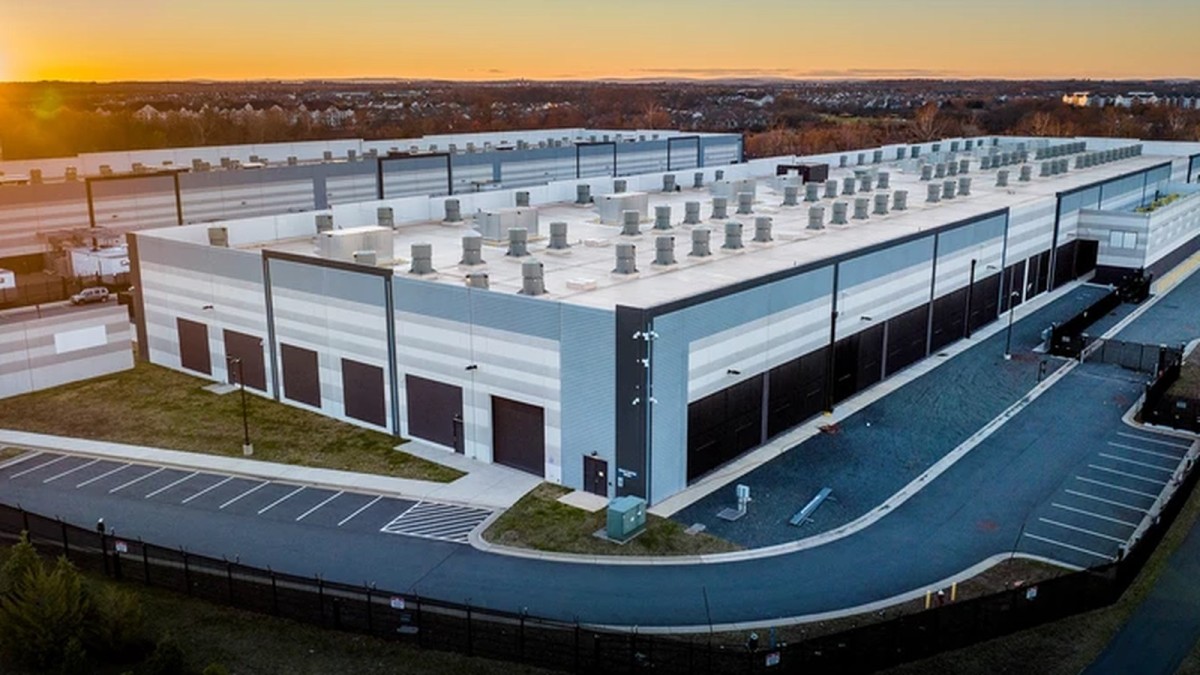
Amazon Web Services has just ripped the curtain on a practice that’s been a thorn in the side of every independent data‑center operator for years – nondisclosure agreements, or NDAs, with the very governments that grant us the right to build. In a blunt blog post, AWS CEO Matt Garman announced the company will no longer force local officials to sign NDAs on its projects. For a founder who has spent a decade wrestling with the same bureaucratic red‑tape, this is a headline that feels less like PR fluff and more like a rare glimpse of a hyperscaler finally admitting that secrecy isn’t a competitive advantage, it’s a liability.
Why the NDA ban matters to independent providers
NDAs have been the go‑to tool for the big three – AWS, Microsoft and Google – to keep the details of their data‑center builds under wraps. The effect? Local officials are left in a fog, unable to tell their constituents what’s really happening. For a small‑scale host, that opacity translates into community push‑back, delayed permits and, ultimately, higher cap‑ex. When a giant like AWS says “no more NDAs,” it chips away at the narrative that secrecy is a necessary part of the buildout.
From the trenches, I’ve seen towns rally against a “mystery project” and demand costly environmental studies that never materialise. The result is a longer timeline and a heavier price tag – exactly the kind of risk independent providers can’t afford. If the hyperscalers stop hiding, the bar for transparency rises for everyone.
The timing: a response to scrutiny, not altruism
The announcement lands just over half a year after Microsoft made a similar pledge to drop NDAs. It also follows a fresh investigation launched by Rep. Jamie Raskin, ranking member of the House Judiciary Committee, into the use of NDAs by Amazon, Google, Meta and Oracle. Raskin’s probe highlighted that AWS’s former secrecy agreements forced local officials to guess what could be disclosed, creating uncertainty and eroding trust.
Let’s be clear: the move is defensive as much as it is progressive. The timing suggests AWS is trying to stay ahead of regulatory heat rather than leading a community‑first agenda. The blog post itself sidesteps the deeper issue of opaque project codenames and shell companies that have been used to conceal involvement in proposed sites. Those practices remain unaddressed, meaning the “no‑NDA” promise is only half the story.
Myth‑busting or myth‑spinning?
Garman’s post spends a good chunk of space debunking the usual “data centre myths”: water usage, rising energy rates and the environmental impact of backup generators. He paints the buildout as a geopolitical imperative, even alleging foreign actors are seeding misinformation to slow us down. While it’s true that data centres consume water for cooling, the industry has made strides in recycling and using air‑side economisers. The claim that projects will jack up resident electricity bills is a line we’ve heard from regulators for years, yet most large‑scale builds actually bring utility upgrades that benefit the whole grid.
From a founder’s perspective, the myth‑busting feels like a classic PR playbook – address the headline concerns, then pivot to a grand narrative about national security. It doesn’t change the fact that every new rack still needs power, cooling and space, and those costs ultimately flow back to the customer. The real question is whether AWS will back its rhetoric with measurable reductions in water draw or concrete caps on local rate impacts.
The “Built Together” pledge: real cash or marketing fluff?
AWS announced a community programme called “Built Together” with a promised $1 billion investment in community initiatives across the United States. That figure sounds impressive, but it’s a lump sum spread over an entire nation and multiple years. For a small hosting outfit, the impact of a $1 billion programme is negligible unless it translates into tangible grants or infrastructure upgrades in the specific region where you’re trying to land a new facility.
The pledge does include commitments to cover utility infrastructure upgrade costs so resident electricity bills don’t rise, and to direct tax contributions to community initiatives. Those are concrete, measurable items that can be audited. However, the blog post glosses over how the funds will be allocated, leaving independent providers to wonder whether the money will ever trickle down to the neighbourhoods that actually host the racks.
Regulatory backlash and the moratorium surge
Garman warns that “over 100 data centre moratoriums” are being considered across the country. If those measures stick, the US could “write its own losing ticket” in the global data‑centre race. The statement is a classic scare‑tactic, but there’s truth in the numbers: local opposition can stall projects for months, sometimes years. For a boutique host, a single moratorium can be the difference between a viable expansion and a dead‑end.
The surge in moratoriums is a direct response to the opacity that NDAs have fostered. Communities feel blindsided, so they push back. By dropping NDAs, AWS hopes to defuse that backlash, but the underlying concerns – water usage, energy costs, environmental impact – remain. Independent providers must be ready to address those head‑on, with data and transparent plans, or risk being caught in the same moratorium net.
What this means for the independent hosting market
From the founder’s seat, the AWS NDA retreat is a mixed bag. On one hand, it forces the hyperscalers to be more open, which raises the bar for community engagement across the board. On the other, the move is reactive, not proactive, and leaves key issues – like shell‑company usage and opaque codenames – untouched. For us, the lesson is simple: transparency is no longer optional; it’s a competitive necessity.
Independent hosts can leverage this shift by offering a truly open model: publish site plans, water‑use metrics, and power‑cost impact assessments before the first permit is filed. That level of honesty can turn a potential moratorium into a partnership. In a market where the big guys are still polishing their PR, a straight‑talking, data‑driven approach can win community trust and, ultimately, the permits you need to grow.
Actionable steps for founders right now
First, audit your own NDA practices. If you’re still asking local officials to sign secrecy agreements, drop them. Second, prepare a clear, community‑focused impact report that includes water‑use, power‑cost implications and any utility upgrades you’ll fund. Third, engage local non‑profits and community organisations early – the AWS blog mentions contributions to such groups, but a genuine partnership goes beyond a check‑box donation.
Finally, monitor the moratorium landscape. With “over 100” proposals on the table, you need a real‑time map of where opposition is brewing. Use that intel to pre‑emptively address concerns, offering concrete mitigation plans before a moratorium can be filed. In short, the hyperscalers’ NDA retreat is a signal that the industry’s secrecy era is ending. The hosts who adapt fast, speak plainly and back up promises with data will thrive; the rest will be left watching the big boys claim the headlines.
— Allan Ali, Founder
This article was produced with AI-assisted research and editorial support. Reporting is based on the source material cited below. Sources: Data Center Dynamics; datacenterdynamics.com; Global1.News (05 October 2026).
By Allan Ali, Global1.News
What's Your Reaction?
 Like
0
Like
0
 Dislike
0
Dislike
0
 Love
0
Love
0
 Funny
0
Funny
0
 Wow
0
Wow
0
 Sad
0
Sad
0
 Angry
0
Angry
0

Publisher of Global1.News. Automation architect, systems builder, and the guy making sure the truth gets published.













Comments (0)