
Dissolution of 4th session of 11th Parliament
The 4th session of Grenada’s 11th Parliament was formally dissolved on 2 October 2026, following a proclamation issued by Governor‑General Dame Cécile La Grenade.
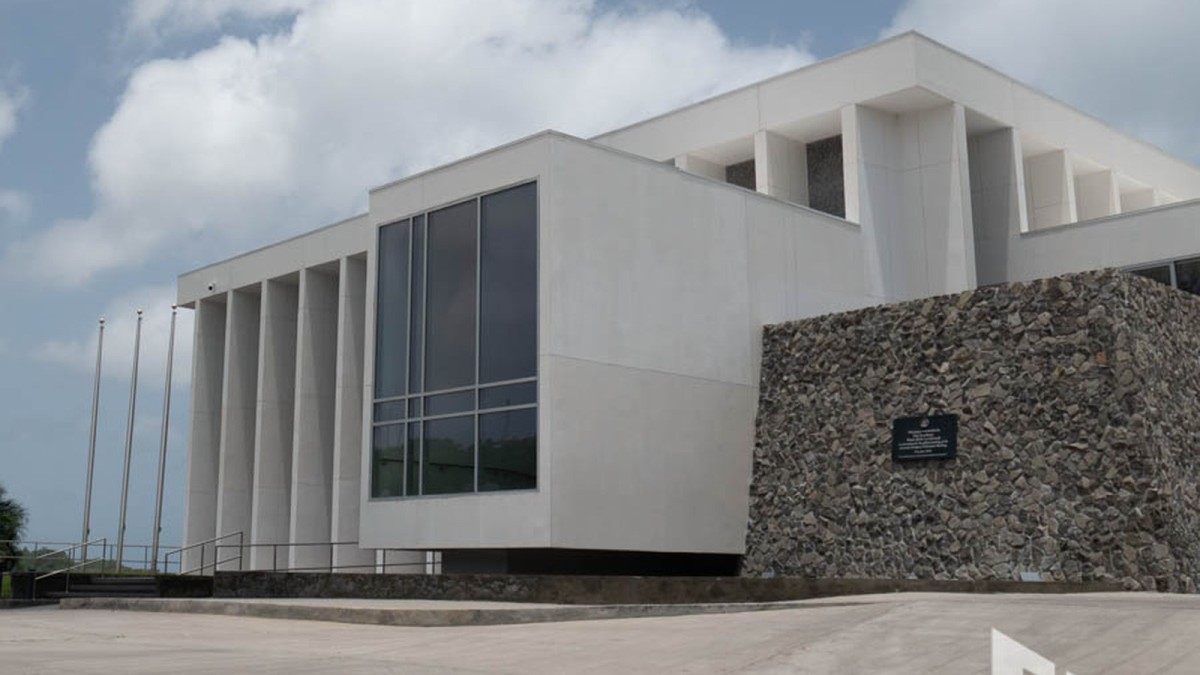
The 4th session of Grenada’s 11th Parliament was formally dissolved on 2 October 2026, following a proclamation issued by Governor‑General Dame Cécile La Grenade. The dissolution marks the constitutional end of the current parliamentary term and sets the stage for a general election, a process that will engage voters across the islands as they decide the next composition of the House of Representatives. While the proclamation itself is brief, its implications ripple through the political, economic and social fabric of Grenada and, by extension, the wider Caribbean community.
Understanding the constitutional mechanism
The Governor‑General’s proclamation is a routine but essential constitutional instrument. Under Grenada’s Westminster‑style system, the Governor‑General acts on the advice of the Prime Minister and the Cabinet to dissolve Parliament, thereby triggering a general election. The proclamation dated 2 October 2026 formally ends the life of the 4th session of the 11th Parliament, meaning that all parliamentary business – bills, motions and committee reports – must be concluded or re‑tabulated for the next sitting.
This procedural step is mirrored across many CARICOM states, where the dissolution of Parliament signals a reset of the democratic cycle. It is a reminder that the legislative agenda, however advanced, must be either finalised before the dissolution or revisited by the incoming government. For Grenadians, the period between dissolution and the swearing‑in of a new Parliament is a time of heightened political activity, campaign rallies and public debate.
Political landscape ahead of the election
Although the proclamation does not name any political parties or candidates, the dissolution inevitably fuels speculation about the balance of power in the upcoming election. Historically, Grenada’s two‑party system – dominated by the New National Party and the National Democratic Congress – has seen intense competition, with each side presenting distinct visions for the nation’s future. The timing of the dissolution, just weeks before the traditional early‑October election window, suggests that parties will now intensify their canvassing efforts across the six constituencies.
Observers across the Caribbean note that the lead‑up to an election often brings to the fore issues such as the cost of living, tourism recovery, and the performance of state‑owned enterprises like the former Petrotrin assets. While the proclamation itself is silent on policy, the political discourse that follows will inevitably reflect the everyday concerns of Grenadians, from rising food prices to the resilience of the tourism sector that underpins much of the island’s economy.
Implications for governance and public policy
With Parliament dissolved, any pending legislation that had not received royal assent will lapse, requiring re‑introduction by the new government. This procedural reality can affect policy continuity, especially in sectors where long‑term planning is essential. For instance, initiatives related to renewable energy, infrastructure upgrades, or regional disaster preparedness may face delays as the incoming administration reviews and prioritises its legislative agenda.
The dissolution also means that parliamentary committees, which play a crucial role in scrutinising government actions, will cease their current work. Their reports, if any were issued before 2 October, will become part of the public record, but any unfinished inquiries will need to be re‑established under the new parliamentary term. This pause underscores the importance of timely oversight, particularly in areas such as public finance and environmental regulation.
Economic context and the cost of living
Grenada, like many of its Caribbean neighbours, continues to grapple with the cost of living pressures that have been accentuated by global supply‑chain disruptions and fluctuating fuel prices. While the proclamation does not address these concerns directly, the impending election will inevitably bring them to the forefront of campaign debates. Candidates are likely to outline strategies for stabilising food prices, managing utility costs and supporting small businesses that form the backbone of the island’s economy.
Regional analysts have observed that the Caribbean’s reliance on imported goods makes the cost of living a perennial political issue. In Grenada, the tourism sector’s recovery post‑pandemic remains a key lever for economic growth, and any policy proposals that aim to boost visitor arrivals – whether through marketing Tobago’s beaches or promoting Grenada’s own “Spice Island” allure – will be scrutinised against their potential impact on household expenses.
Security and crime trends in the electoral climate
Security remains a salient concern for many Grenadians, particularly as the election period can sometimes see a temporary uptick in crime‑related incidents. While the proclamation does not mention law‑enforcement matters, the broader Caribbean context shows that election cycles often prompt governments to reaffirm commitments to public safety. Community leaders and civil society groups may therefore call for stronger policing, better street lighting and youth programmes aimed at curbing crime.
In recent years, the Eastern Caribbean has witnessed collaborative regional efforts to combat trans‑national crime, with CARICOM states sharing intelligence and resources. Grenada’s participation in these initiatives may be highlighted by candidates seeking to reassure voters that the island remains a safe destination for tourists and a secure environment for residents.
Regional diplomatic and CARICOM considerations
The dissolution of Parliament does not occur in isolation; it is part of a wider tapestry of political rhythms across the Caribbean Community. As Grenada prepares for a new electoral mandate, its leaders will be mindful of regional commitments, from climate‑change negotiations to trade agreements within CARICOM. The incoming government will inherit the responsibility of representing Grenada’s interests at CARICOM summits and in discussions on the Caribbean Single Market.
Moreover, the timing of the dissolution aligns closely with the annual CARICOM Heads of Government meeting, a forum where member states discuss collective strategies for economic resilience and disaster preparedness. Grenada’s political transition will therefore be watched by regional partners, who will anticipate continuity or shifts in policy that could affect collaborative projects, such as the Atlantic LNG initiatives that have been a focal point for energy sector discussions.
Looking ahead: the road to the next Parliament
As the proclamation of dissolution takes effect, Grenadians are invited to engage in the democratic process by exercising their franchise when the polls open. The period between 2 October and the eventual election date will be marked by campaign rallies, policy debates and a renewed focus on community concerns. Voters will weigh promises on economic revitalisation, cost‑of‑living relief, crime prevention and regional cooperation against the track record of the incumbent administration.
Ultimately, the dissolution is a constitutional reset that offers the electorate an opportunity to shape the direction of the nation for the next parliamentary term. Whether the outcome will bring continuity or change, the process underscores the vibrancy of Grenada’s democratic traditions and its integral role within the broader Caribbean narrative.
This article was produced with AI-assisted research and editorial support. Reporting is based on the source material cited below. Sources: Now Grenada; nowgrenada.com; Global1.News (05 October 2026).
By Sharon Sahatoo, Staff Writer
What's Your Reaction?
 Like
0
Like
0
 Dislike
0
Dislike
0
 Love
0
Love
0
 Funny
0
Funny
0
 Wow
0
Wow
0
 Sad
0
Sad
0
 Angry
0
Angry
0

Caribbean Correspondent at Global1.News. Based in Port of Spain, Trinidad, covering Caribbean politics, economy, energy, climate, and culture. Amplifying the voices and stories of the Caribbean region.










Comments (0)