
6 Mexican comfort foods to warm you up this autumn
When the chill of autumn drifts down from the north, Mexico feels it in a gentle way: mornings grow a little cooler, nights tuck in with a faint bite, and the days stay soft enough to linger outdoors.
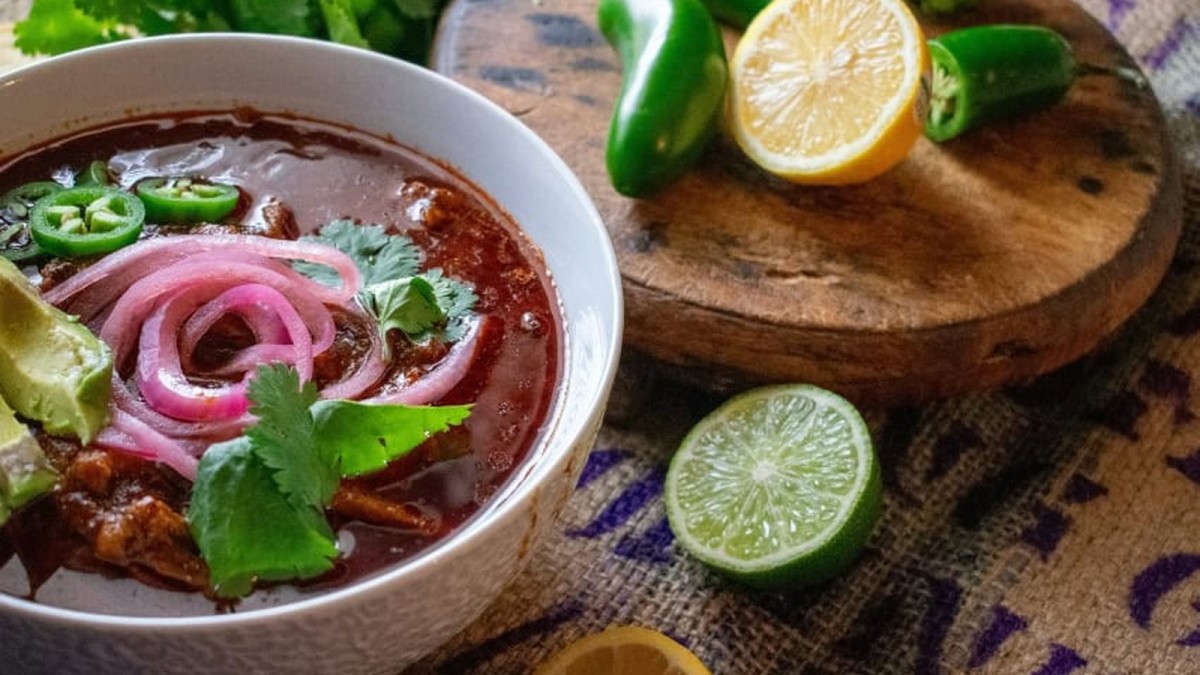
When the chill of autumn drifts down from the north, Mexico feels it in a gentle way: mornings grow a little cooler, nights tuck in with a faint bite, and the days stay soft enough to linger outdoors. It isn’t the kind of freeze that forces us into heavy coats, but it is enough to stir the memory of home‑cooked warmth. Across the country, families reach for steaming bowls, fresh tortillas from the comal, and the aromas that have fed generations. From the high plains of Sonora to the tropical lowlands of Yucatán, six comfort dishes illustrate how Mexican cuisine turns a subtle season into a celebration of flavor, history, and community.
Cheese Soup of Sonora: An Apapacho de Mamá
In the northern cattle‑ranching state of Sonora, where the highlands can see freezing winters, a simple cheese soup offers a literal “warm hug from mom.” The broth, built on a base of tomato, onion, garlic and chiles, welcomes cubes of queso fresco or another regional cheese. Unlike many cheese soups where the cheese melts into a velvety swirl, these cubes soften while keeping their shape, giving each spoonful a pleasant bite. Some families add potato, zucchini, corn, cilantro, or fried tortilla strips, layering texture and color into the comforting bowl.
This dish is more than a quick lunch; it is a reminder of the ranching lifestyle that defines Sonora. The soup’s modest ingredients speak to a region that values the land’s bounty and the simple pleasures of a shared meal. When the first cool breeze of autumn arrives, mothers and grandmothers stir the pot, letting the aroma of simmering tomato and cheese fill the kitchen, inviting neighbors to gather around the table as if around a campfire on the prairie.
Milpa Soup: The Harvest of a Pre‑Hispanic System
The milpa, a centuries‑old crop‑growing system that interweaves maize, beans, squash, and other staples, still flavors Mexican kitchens today. Farmers from Puebla, Tlaxcala, Mexico City, Hidalgo and surrounding central states once prepared a broth that reflected every plant in the milpa: corn kernels, onion, squash blossom and chilies. After the Spanish conquest, the milpa diversified, and chicken broth became the soup’s foundation, enriching the flavor while preserving the original vegetables.
Modern milpa soup is celebrated for its balance and nourishment. It offers a hearty, accessible meal that sustains families through cooler mornings. By drawing on a system that once fed entire villages, the soup connects diners to the rhythm of the land, reminding them that the same fields that produced corn for tortillas also yield the broth that warms the body on an autumn night.
Morisqueta: Michoacán’s Mexican Paella
Travel south to Michoacán’s Tierra Caliente region, and you’ll find morisqueta, a dish that echoes the Spanish paella while staying unmistakably Mexican. White rice is cooked and served alongside pot‑style beans, then drenched in a red sauce of tomatoes, chili peppers, onion and garlic. Some households sprinkle queso fresco on top, and many add pork, dried meat or even eggs, turning the plate into a festive canvas of color and protein.
Scholars note that the name morisqueta blends the words “Moros” (Moors) and “Cristianos” (Christians), a linguistic reminder of the cultural syncretism that followed the conquest. The rice, introduced to Spain by the Moors, meets the native beans in a single pot, symbolizing how Mexican cuisine has always been a dialogue between the old and the new. In autumn, families gather around the stove, letting the sauce bubble and fill the kitchen with a scent that signals the season’s arrival.
Birria: From Jalisco Stew to Global Sensation
While birria tacos have become a worldwide trend, the authentic dish remains a soup‑centric experience rooted in Jalisco’s western plains. Traditionally, birria is a slow‑cooked stew served in a deep bowl, its broth—known as consommé—rich with the flavors of goat meat marinated in an adobo of dried chiles, garlic, onion, vinegar, tomato and spices such as cumin, oregano, cloves, pepper and cinnamon. The stew arrives with warm tortillas, cilantro, onion and a few drops of lime, inviting diners to sip the broth before assembling a taco.
In the cooler evenings of autumn, the steaming bowl of birria becomes a communal ritual. Families ladle the fragrant broth, share stories of the day’s work in the fields or the market, and pass around tortillas as if passing the warmth itself. The dish’s depth of flavor and its connection to Jalisco’s ranching heritage make it a perfect antidote to the season’s bite.
Huevos Motuleños: A Breakfast That Bridges Regions
From the north‑central town of Motul in Yucatán comes huevos motuleños, a breakfast that embodies the state’s blend of Caribbean, pre‑Hispanic, and Spanish influences. A fried corn tortilla forms the base, topped with refried black beans and fried eggs, then smothered in a warm tomato sauce made with onion, diced ham and peas. The dish is often finished with queso fresco and fried plantain, adding a sweet, caramelized note.
This combination of corn, plantain, pork and eggs tells a story of cultural layers. The corn tortilla recalls the ancient maize fields, the plantain brings the Caribbean’s tropical sweetness, while the ham and eggs reflect Spanish colonial introductions. On autumn mornings, when the air is still crisp, families gather around the kitchen table, sharing this hearty plate that promises energy for the day ahead.
Sopa de Lentejas: A Lentil Legacy from the Viceregal Era
Lentils, though originally associated with Middle Eastern cuisine, found a home in Mexico after their introduction during the viceregal era. In southern states such as Chiapas, Tabasco and Oaxaca, lentil soup is built on a base of tomato, onion and garlic, often enriched with carrot, potato, chili pepper, epazote or cilantro. Protein‑rich additions like bacon, smoked pork chop and chorizo deepen the broth, while in Oaxaca the soup may be garnished with fruit like plantain and pineapple, adding a subtle sweetness.
The lentil soup’s evolution illustrates how Mexican cooking absorbs and transforms foreign ingredients, turning them into comforting staples. In the cooler months, the thick, warming bowl offers both nourishment and a reminder of the country’s layered history—an edible bridge between the indigenous past and the colonial influences that have shaped today’s flavors.
Seasonal Comfort: How Autumn Shapes Mexican Food Culture
Autumn in Mexico may lack the harsh freezes of more northern latitudes, but the season still prompts a shift in the kitchen. The six dishes highlighted—cheese soup, milpa soup, morisqueta, birria, huevos motuleños and lentejas—share common threads: they are all broth‑based or feature warm sauces, they incorporate staple crops like corn, beans, rice and potatoes, and they often arrive with fresh tortillas. Each recipe ties a particular region’s geography, history and daily life to the act of sharing a hot bowl.
Beyond the flavors, these meals reinforce community bonds. Whether it is a mother ladling cheese soup for her children, a group of neighbors swapping bowls of milpa soup at a tianguis, or a family gathering around a pot of birria after a day’s work, the act of eating together becomes a form of apapacho—a comforting embrace that transcends temperature. As the nights grow cooler and the mornings a touch brisker, Mexican families turn to these time‑honored dishes, letting the aromas of simmering broth and fresh tortillas stitch together the fabric of everyday life.
This article was produced with AI-assisted research and editorial support. Reporting is based on the source material cited below. Sources: Mexico News Daily; mexiconewsdaily.com; Global1.News (05 October 2026).
By Rosa Martinez, Staff Writer
What's Your Reaction?
 Like
0
Like
0
 Dislike
0
Dislike
0
 Love
0
Love
0
 Funny
0
Funny
0
 Wow
0
Wow
0
 Sad
0
Sad
0
 Angry
0
Angry
0

Latin America/Andes Correspondent at Global1.News. Based in Bogota, covering politics, environment, energy, and social movements across the Andean region. Passionate about environmental journalism and communities protecting their land.















Comments (0)