
Can Australia Create Lasting Climate Impacts For the Asia-Pacific?
Australia is poised to take centre stage at the upcoming COP31 climate conference in Türkiye, a role that comes at a moment when the Asia‑Pacific region feels the intensifying impacts of climate change.
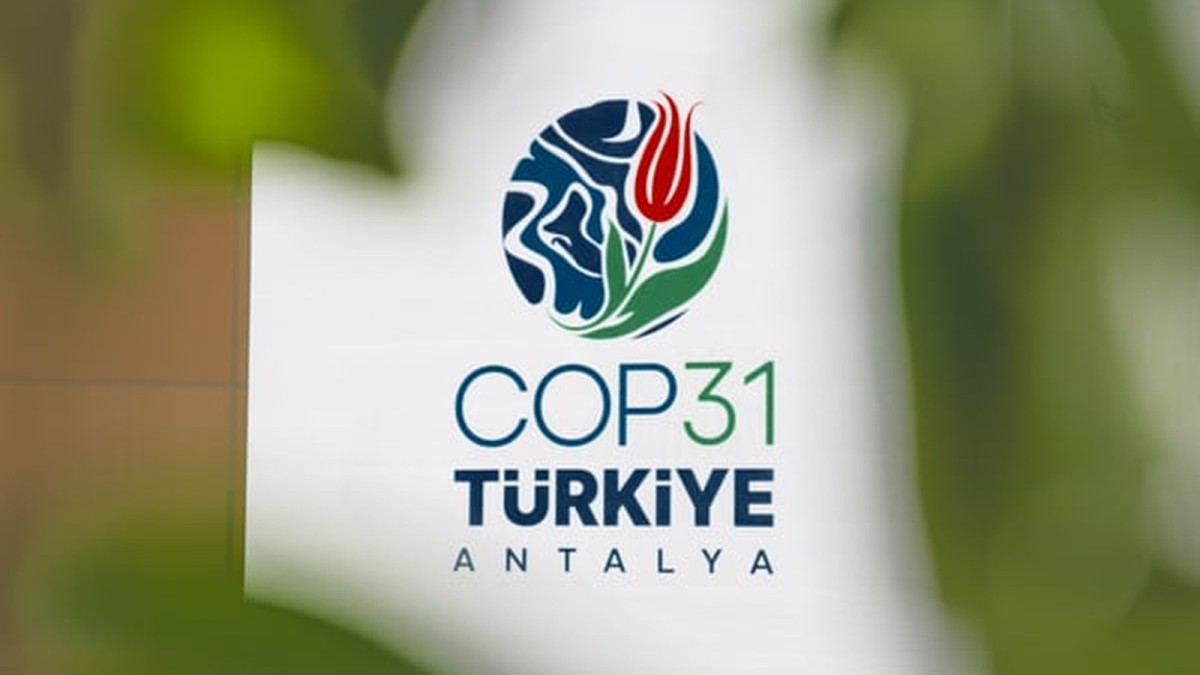
Australia is poised to take centre stage at the upcoming COP31 climate conference in Türkiye, a role that comes at a moment when the Asia‑Pacific region feels the intensifying impacts of climate change. From the flood‑prone streets of Bangkok to the high‑altitude towns of Nepal, extreme weather events are becoming more frequent and severe, underscoring the urgency for coordinated action. As Australia prepares to preside over the negotiations in November, its ability to translate diplomatic leadership into concrete outcomes will be measured by three practical arenas: electrification and energy security, clean‑trade infrastructure, and climate finance for Pacific resilience.
Electrification as a Lever for Energy Security
The article notes that electrification is accelerating across major Asian economies, including China, Japan, Korea and Southeast Asia. Pairing this rapid expansion with renewable electricity offers “significant opportunities for lower import bills and better environmental outcomes.” For Australia, the COP31 agenda provides a platform to showcase how renewable‑powered electrification can be scaled, particularly in remote and island communities that are heavily dependent on imported fuels.
In the Pacific, imported fuel expenditures can reach up to 13 percent of gross domestic product. The source material highlights that replacing diesel generators with solar panels, battery storage and other renewable systems could dramatically improve energy security, albeit requiring upfront investment. For fishing communities in archipelagic states such as the Philippines and Indonesia, solar‑powered cold storage could cut post‑harvest losses, reduce electricity costs and bolster food security and incomes. By foregrounding these use cases at COP31, Australia can help align development finance, technology providers and policy incentives to accelerate the transition.
Clean Trade Corridors and Certification Standards
Beyond energy generation, the article points to emerging “clean commodity corridors” that link Australia with key regional markets. Notable examples include the Australia‑to‑Singapore green and digital shipping corridor and a prospective Australia‑to‑East Asia iron‑ore green corridor. These initiatives aim to embed low‑carbon standards into supply chains, but they require more than high‑level endorsement.
The source material stresses that “lots of work has been done and will need to be done to develop a shared view of how emissions are measured, which standards are recognized, how products are certified and whether infrastructure exists to move them from producers to customers.” COP31 therefore offers a venue to advance global coordination on measurement, reporting and verification (MRV) frameworks, which are essential for building trust in green trade. By championing robust MRV protocols, Australia can help ensure that the carbon footprints of exported commodities are transparent and comparable, thereby enhancing the credibility of clean trade corridors.
Marine Fuels and the Net‑Zero Framework
The article references ongoing negotiations under the International Maritime Organization (IMO) to reach consensus on a Net‑Zero Framework for marine fuels. This framework, if advanced further in December, could become “fundamental to drive global progress beyond the shipping sector.” Australia’s involvement in shaping this framework aligns with its broader maritime interests and its role in regional shipping lanes.
By advocating for stringent emissions standards for marine fuels, Australia can help steer the shipping industry toward alternative fuels such as green hydrogen or ammonia. This would complement the clean shipping corridor to Singapore and reinforce the broader objective of decarbonising trade routes that are vital to the Asia‑Pacific economy.
Climate Finance and the Pacific Resilience Facility
Australia’s stated goal for COP31 includes mobilising finance through mechanisms like the Pacific Resilience Facility. The source material underscores that while Pacific nations are often portrayed as vulnerable, they also possess significant natural capital—fisheries, tourism, coastal ecosystems—that can underpin future economic development if protected.
The Vuvale Union Treaty, signed earlier this year between Australia and Fiji, recognises the “deep interconnectedness between climate, people, prosperity, and peace across the Pacific.” By framing climate finance as an investment in regional security and prosperity rather than mere aid, Australia can encourage a shift in narrative that empowers Pacific states to leverage their natural assets for sustainable growth.
Balancing Fossil‑Fuel Realities with Decarbonisation Ambitions
The article highlights the tension between the push for a fossil‑fuel phase‑out and the realities expressed in the New Delhi Declaration, where BRICS members acknowledge that “fossil fuels will still play an important role” for emerging markets. This reflects a broader geopolitical challenge: achieving consensus among 198 countries when major economies still rely on coal, oil and gas for development.
Australia’s leadership will need to navigate this divide by promoting pragmatic pathways—such as targeted electrification projects and clean‑trade standards—that demonstrate tangible benefits without demanding an immediate, universal abandonment of fossil fuels. By presenting phased, technology‑driven solutions, Australia can help bridge the gap between ambition and feasibility, especially in developing economies that view energy security as a prerequisite for industrial competitiveness.
Regional Implications of a Successful COP31 Presidency
If Australia can effectively leverage its presidency to advance the three practical pillars—electrification, clean trade and finance—the ripple effects across the Asia‑Pacific could be substantial. Lower energy import costs would improve trade balances for island nations, while robust carbon‑certification regimes could open new markets for low‑carbon exports. Moreover, enhanced climate finance would strengthen the resilience of Pacific communities, reducing migration pressures and preserving cultural ties to the ocean.
Conversely, a missed opportunity could exacerbate existing vulnerabilities. The source material warns that “countries spend up to 13 percent of their GDP on imported fuels,” a figure that could rise if renewable investments stall. Without clear MRV standards, green trade corridors risk becoming symbolic rather than operational, limiting their impact on emissions reductions. Thus, Australia’s performance at COP31 will be a litmus test for the region’s capacity to translate high‑level pledges into on‑the‑ground outcomes.
Looking Ahead: From COP31 to Long‑Term Regional Cooperation
Beyond the immediate negotiations in Antalya, the article suggests that the climate agenda is intertwined with broader security and prosperity concerns. The concluding remark—that “one country’s security and prosperity depends on the livelihood and resilience of others”—captures the essence of regional interdependence. Australia’s challenge is to embed this principle into the COP31 outcomes, ensuring that climate action is framed as a shared foundation for future stability.
In practical terms, this means securing commitments for renewable‑energy projects in remote islands, finalising MRV protocols for clean commodity corridors, and scaling up the Pacific Resilience Facility with concessional finance that can be accessed quickly. By aligning diplomatic effort with concrete project pipelines, Australia can create a legacy of lasting climate impacts that reverberate throughout the Asia‑Pacific long after the conference concludes.
This article was produced with AI-assisted research and editorial support. Reporting is based on the source material cited below. Sources: The Diplomat; thediplomat.com; Global1.News (05 October 2026).
By Kenji Tanaka, Staff Writer
What's Your Reaction?
 Like
0
Like
0
 Dislike
0
Dislike
0
 Love
0
Love
0
 Funny
0
Funny
0
 Wow
0
Wow
0
 Sad
0
Sad
0
 Angry
0
Angry
0

Japan Correspondent at Global1.News. Tokyo-based voice covering Japanese politics, technology, economy, and culture. Tracks the intersection of tradition and innovation in one of the world's most dynamic societies.












Comments (0)