
Salah Trabzonspor Deal: Football Finance Revolution Explained
When Mohamed Salah walked out at the Şenol Güneş Stadium on August 23, 2026, wearing the claret and blue of Trabzonspor, he didn't just score twice in a 2-1 win over Istanbul Basaksehir. He sent a seismic shockwave through world football finance.
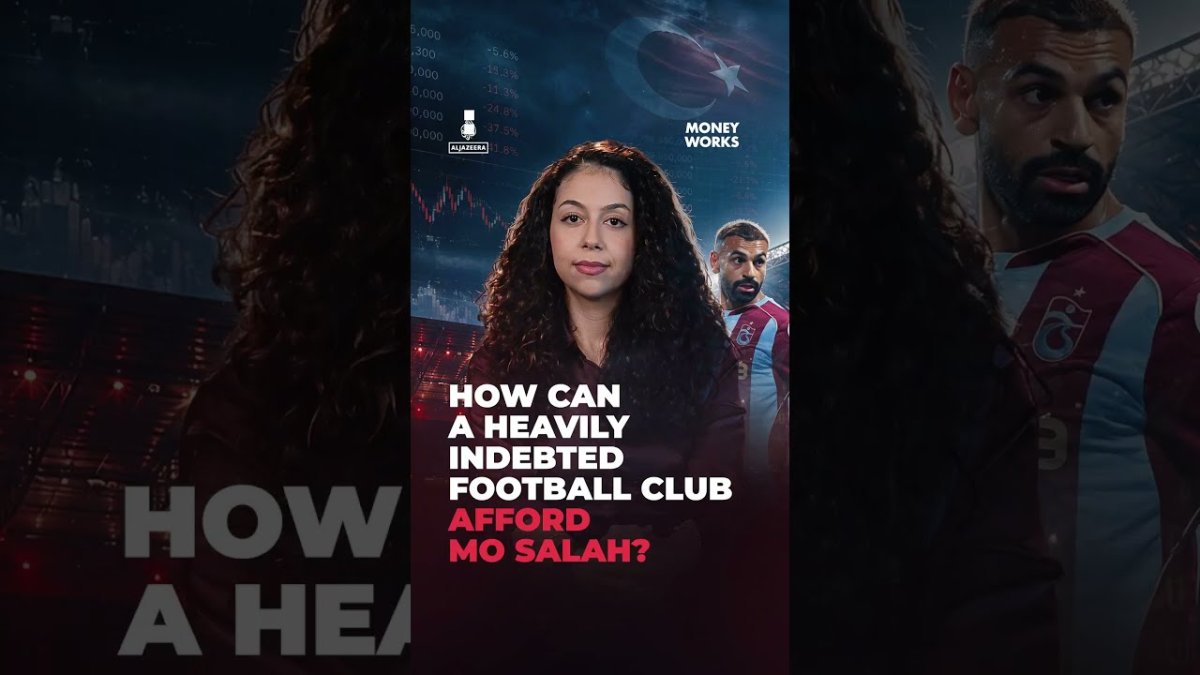
When Mohamed Salah walked out at the Şenol Güneş Stadium on August 23, 2026, wearing the claret and blue of Trabzonspor, he didn't just score twice in a 2-1 win over Istanbul Basaksehir. He sent a seismic shockwave through world football finance. How does a club drowning in 5.9 billion Turkish lira of net debt sign the Egyptian King, the most decorated African footballer of his generation, on a contract worth EUR 17 million guaranteed per year? The answer is a masterclass in modern football economics, and it carries lessons for every club from Soweto to Cape Town.
How Can a Heavily Indebted Football Club Afford Mo Salah? The Trabzonspor Gamble Explained
Trabzon, Turkey - August 2026 - The Black Sea city of Trabzon, home to roughly 825,000 people, has suddenly become the epicentre of African football's global conversation. When Salah's arrival was confirmed, the club's online store sold out of replica No. 11 kits within 48 hours. Direct charter flights from Cairo to Trabzon have begun operating. This is not just a transfer; it is an economic stimulus package disguised as a football signing.
The Numbers Behind the Madness
Let's break down the deal that has made Turkish football history. According to the contract filed with Turkey's Public Disclosure Platform (KAP), Salah's two-year deal until summer 2028 includes a EUR 10 million annual base salary plus a EUR 7 million yearly signing bonus. That's EUR 17 million guaranteed annually before performance bonuses kick in. The deal makes the 34-year-old Egypt captain the highest-paid player in Turkish football history, surpassing even the failed negotiations Beşiktaş had earlier due to monetary constraints.
But here's the genius clause that separates this from a mere vanity signing: Salah receives 20% of all revenue from Trabzonspor merchandise bearing his name. Every jersey, every scarf, every commemorative item sold in Trabzon, Istanbul, Cairo, or anywhere in the world puts money directly into his pocket. This is the kind of commercial structuring that South African football administrators should be studying with intense focus.
The Debt Reality Check
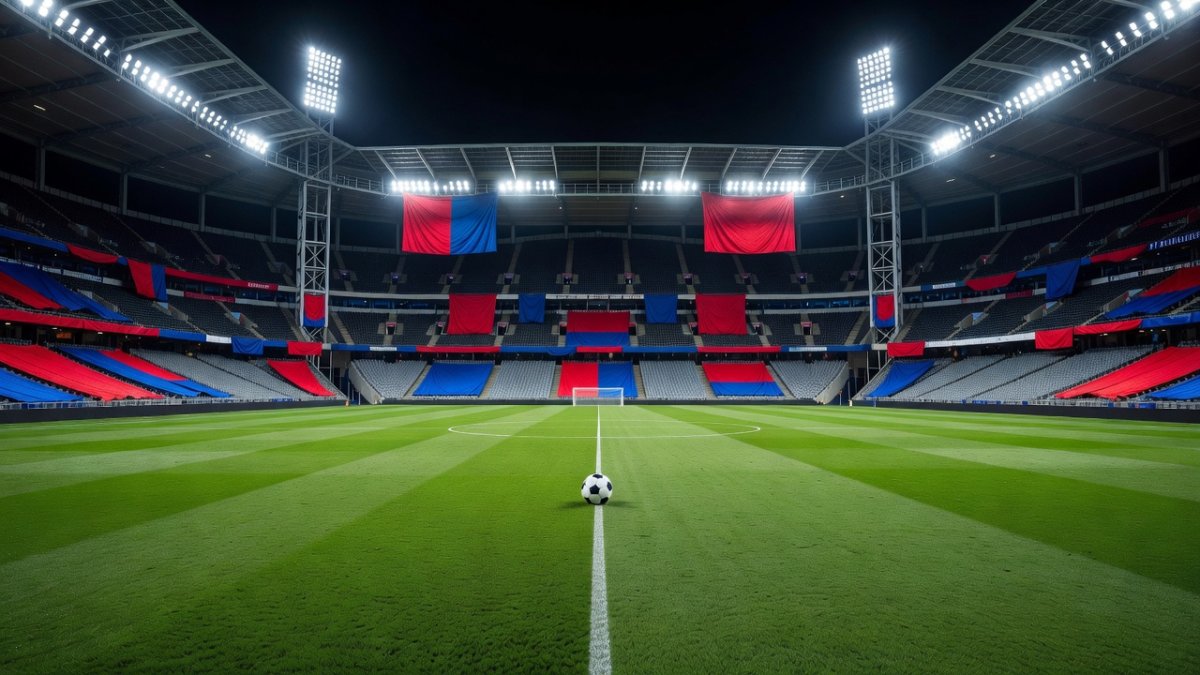
Trabzonspor's financial situation, as announced on KAP on May 31, 2026, is stark. Net debt stands at 5.9 billion Turkish lira - roughly $120 million at current exchange rates, with the lira trading near 48 per US dollar in late August 2026, having weakened about 12% against the dollar during 2026 alone. The club's total assets were approximately 23.57 billion lira at the same date.
Chairman Ertugrul Dogan is betting the house on the Salah effect. The club argues that 2.1 billion lira in current assets and 2.7 billion lira in related-party transactions need no cash outflow due to inflation accounting. In a country where inflation remains stubbornly high and the currency keeps depreciating, foreign-currency costs balloon. Yet Turkish clubs have found a way to keep paying star players - and the 2026-27 Super Lig season, which kicked off on August 14 as the league's 69th campaign, is already reaping the rewards.
From Liverpool Legend to Black Sea Hero
Salah's journey to Trabzon is as dramatic as his debut performance. After nine seasons at Liverpool, where he scored 257 goals in 442 appearances and won two Premier League titles, the Champions League, the FIFA Club World Cup, the UEFA Super Cup, the FA Cup, and two EFL Cups, his relationship with coach Arne Slot soured publicly. Salah criticised Slot before the 2025 Africa Cup of Nations and found himself left out of key squads. Liverpool then appointed Andoni Iraola, and the writing was on the wall.
At the 2026 FIFA World Cup, Salah captained Egypt to the round of 16 before Argentina ended their run. When he left Liverpool as a free agent, the football world assumed he'd head to Saudi Arabia or MLS. Instead, he chose Trabzonspor - a club that finished third in the Turkish Super Lig last season and is currently fighting a Europa League playoff against Hungary's Ferencvaros after losing the first leg 0-1 at home on August 20.
His debut on August 15 as a second-half substitute in a 1-1 draw with Kasimpasa was a teaser. His first start on August 23 against Basaksehir was a statement: two goals in a 2-1 win, Trabzonspor's first league victory of the season, with two more goals disallowed. The man is not here to retire; he's here to dominate.
The African Football Economic Divide
This is where the story hits home for South African football fans. Victor Osimhen, Nigeria's superstar striker, has already blazed this trail at Galatasaray. Now Salah has taken it to another level. Meanwhile, back home, PSL clubs like Mamelodi Sundowns and Kaizer Chiefs operate on budgets that wouldn't cover Salah's annual signing bonus, let alone his base salary.
The gap between African club football and the Turkish league - which itself sits below Europe's big five - is a chasm. Turkish clubs have mastered the art of leveraging star power to generate revenue streams that African clubs haven't tapped. The merchandise clause alone is revolutionary. When Sundowns signed players like Peter Shalulile or Chiefs brought in new stars, how much of the jersey revenue flows back to the players? The answer, in most cases, is zero.
South African football has its own commercial success stories - Sundowns' dominance in the CAF Champions League has raised the profile of the PSL - but the monetisation of individual star power remains primitive. Bafana Bafana have faced Egypt in African football rivalries for decades, and South African players like Daylon Claasen have had spells in the Turkish Super Lig with Goztepe. But no South African club has ever come close to structuring a deal like Salah's.
What South Africa Can Learn
The Trabzonspor model offers three critical lessons for SA football. First, commercial clauses matter. The 20% merchandise revenue share isn't just generous - it's smart. It aligns Salah's incentives with the club's commercial growth. Every shirt sold in Cairo or Trabzon benefits both parties. PSL clubs should be exploring similar structures with their marquee players.
Second, the tourism and attention dividend is real. Trabzon has become a destination for Egyptian fans, with charter flights and hotel bookings surging. The city is on the global football map in a way it never was before. South African cities hosting major matches - think Cape Town, Johannesburg, Durban - could learn from how a single signing can transform a club's global profile.
Third, the debt question cannot be ignored. Trabzonspor's gamble is bold, but it's also risky. Turkish inflation and currency depreciation could turn this deal toxic if Salah's performances dip or injuries strike. South African football, with its own financial challenges and transformation imperatives, must be careful not to chase unsustainable spending. The lesson isn't to copy Trabzonspor's debt-fuelled ambition; it's to copy their commercial creativity.
The Human Drama in Trabzon
Beyond the balance sheets, there's a human story unfolding on Turkey's Black Sea coast. The signing ceremony in Trabzon on August 6 was a carnival. Chairman Dogan beamed as Salah held up the No. 11 shirt. The city's streets filled with fans, many wearing Egyptian flags alongside Trabzonspor colours. This is what football does best - it creates moments of unity and joy that transcend economics.
Salah's presence has already changed the club's fortunes on the pitch. The 2-1 win over Basaksehir was Trabzonspor's first league victory of the season, and the second leg against Ferencvaros in Budapest this week carries new hope. With Salah leading the line, anything feels possible.
What to Watch For
The coming months will reveal whether Trabzonspor's gamble pays off. Can Salah maintain his scoring form at 34? Will the merchandise revenue and global attention offset the massive wage bill? And crucially, what does this mean for African football's relationship with the global game?
For South African football, the message is clear: the commercialisation of star power is the next frontier. Sundowns have shown continental ambition; Chiefs have the fanbase. What's missing is the creative deal structuring that turns a player into an economic engine. Salah's Trabzonspor deal isn't just a transfer - it's a blueprint. The question is whether South African clubs have the vision to read it.
By Dante Williams, Staff Writer
This article was produced with AI-assisted research and editorial support. Reporting is based on sources cited in the article.
What's Your Reaction?
 Like
0
Like
0
 Dislike
0
Dislike
0
 Love
0
Love
0
 Funny
0
Funny
0
 Wow
0
Wow
0
 Sad
0
Sad
0
 Angry
0
Angry
0

Breaking News and Investigations Correspondent at Global1.News. Based in London, covering global breaking news, security, and investigative stories. Known for digging deeper and connecting the dots across continents.












Comments (0)