
Brennan Subpoenaed in Grand Conspiracy Probe as Prosecutor Quits
Former CIA Director John Brennan has been subpoenaed to appear October 15 before a Florida grand jury in the Justice Department's grand conspiracy investigation, while remaining a target of a separate inquiry into whether he lied to Congress.
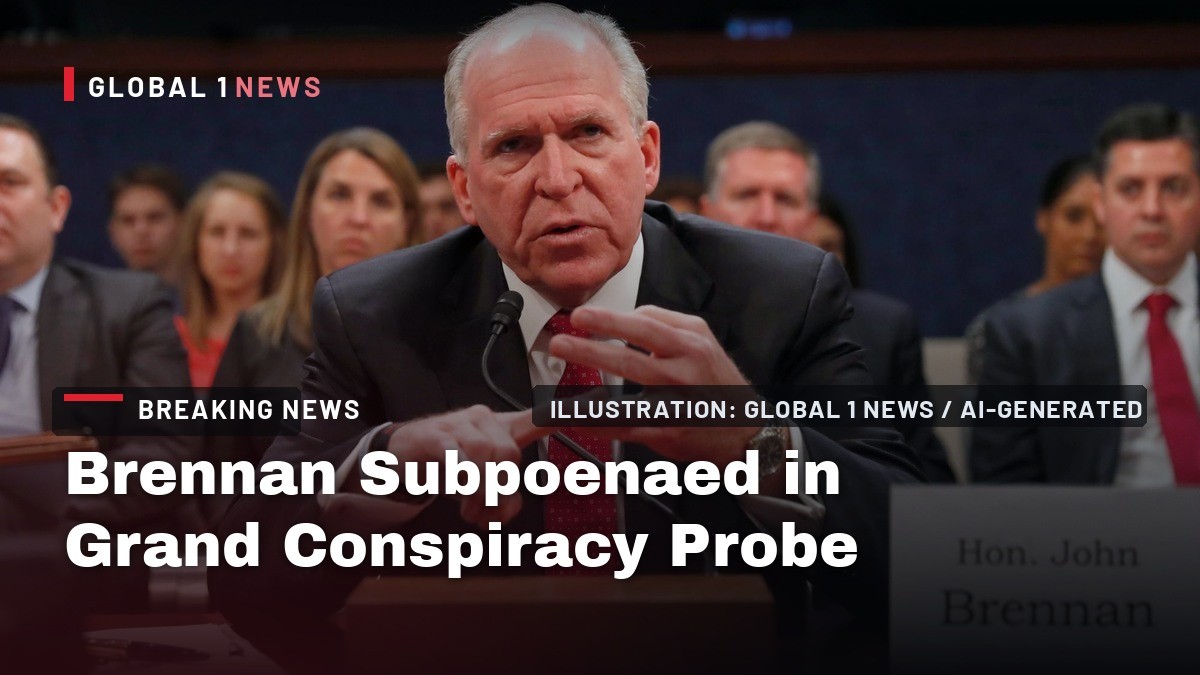
Former CIA Director John Brennan has been subpoenaed to testify before a federal grand jury in Fort Pierce, Florida, and is at the same time the target of a separate Justice Department investigation into whether he lied to Congress. The subpoena was signed by the prosecutor running the case one day before that prosecutor abruptly walked out.
The Grand Conspiracy Probe Subpoenas a Former CIA Director
Washington, D.C. — Former CIA Director John Brennan has been subpoenaed to testify before a Florida grand jury on October 15, 2026, as part of the Justice Department's sprawling "grand conspiracy" investigation, according to court records and his attorney. The subpoena was signed by former prosecutor Joseph E. diGenova on September 9 and served on Brennan's legal team September 10 — the same day diGenova resigned from the probe. Brennan is simultaneously a "target" of a narrower investigation in Washington examining whether he made false statements to Congress about the intelligence community assessment on Russian interference in the 2016 election. His attorney, Ken Wainstein, disclosed both investigations in a sworn declaration filed Monday in federal court, as part of Brennan's effort to force the Justice Department to preserve records related to the probes.
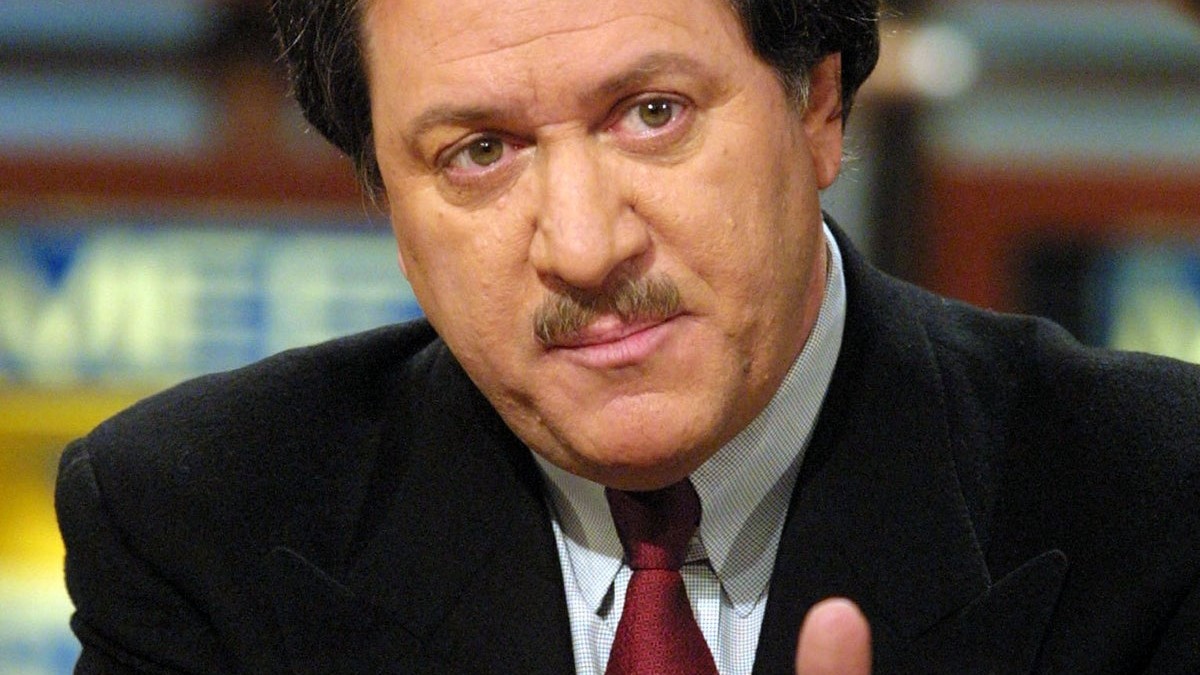
Brennan Subpoenaed to Appear Before a Florida Grand Jury
Wainstein, a partner at Mayer Brown LLP and counsel of record for Brennan, accepted service on his client's behalf on September 10, according to the second supplemental declaration he filed in the U.S. District Court for the District of Columbia. The subpoena was signed by diGenova the day before, and the accompanying email directed Wainstein to contact diGenova with any questions.
The morning of September 10, Wainstein and co-counsel reached out to diGenova by text message to coordinate a conversation about the subpoena. According to the declaration, diGenova responded that he would "arrange counsel" to speak with them.
Wainstein said he was told the subpoena relates to a "far-reaching" criminal probe examining a loosely defined theory that government officials who have investigated Trump over the last decade conspired to deprive him of his civil rights. Those prior investigations include the 2016 Russia election interference inquiry and Trump's more recent retention of top-secret records at Mar-a-Lago. The subpoena to Brennan is among a flurry that have been recently issued.
Brennan served as CIA director under President Barack Obama and has been one of Trump's most outspoken critics. His subpoena draws him into an investigation that has already reached dozens of former intelligence and law enforcement officials tied to the Trump-Russia inquiry.
The Subpoena Was Signed the Day Before the Prosecutor Quit
DiGenova resigned from his role on Thursday, September 10, amid growing disagreements with senior department officials in Washington over the management of the probe, according to CBS News. He confirmed the resignation but did not comment on why he left the Justice Department. The Washington Post described him as the Trump loyalist appointed in April to oversee what members of the president's inner circle refer to as the "grand conspiracy" investigation.
The New York Times reported that diGenova quit after facing pressure from his superiors in Washington, according to three people familiar with the matter. The same article noted that Trump has repeatedly pressured prosecutors to bring criminal charges against his opponents, calling them out in private meetings and on social media, and has expressed displeasure about the slow pace of the retributive investigations he helped set in motion.
In an interview with The New York Post, diGenova pushed back on criticism of how he ran the investigation: "If you want indictments where there's no evidence, you have an ethical problem." When reached by The Associated Press, he said those comments were taken out of context, adding that there is "plenty of evidence in all of these cases to prove the theories of prosecution," but that it takes time to get there. "Some people want to get there a little faster than others — and you can't do that," he said.
The Justice Department has not publicly announced a replacement. Attorney General Todd Blanche told CBS News on Monday that the probe will march on regardless. He said it would not be fair "to get into reasons why he chose to leave," but that "the investigation continues," and when pressed on whether the departure could slow things down, he answered: "Nobody is slowing down in any investigations."
Target of One Probe, Subject of Another
Wainstein said he was informed by a prosecutor that Brennan remains a target in the investigation into whether he lied to Congress about the creation of a U.S. intelligence community assessment detailing Russian interference on Trump's behalf in 2016. Brennan and his lawyers have consistently called that allegation false.
According to the declaration, Wainstein and co-counsel joined a conference call on September 11 with Kurt Olsen and three other members of the prosecution team to discuss the subpoena. On that call, Olsen indicated there are multiple "viable" grand jury investigations, including a "far-reaching" investigation in Fort Pierce that takes in "issues at Mar-a-Lago and beyond" into whether President Trump had his civil rights violated.
Olsen also confirmed there is a separate investigation relating only to Brennan's statements before Congress, seated in the District of Columbia. Brennan is a "target" of that narrower investigation, Olsen said, while the investigation he is now subpoenaed in — the "more wide-ranging conspiracy" — treats him as a "subject." The narrower matter, Olsen added, is "still viable," and its issues might also form part of the larger investigation, "such as being overt acts."
The distinction is technical but not trivial. In Justice Department parlance, a person is a "target" when prosecutors believe there is evidence linking them to a crime and view them as a putative defendant. A "subject" is someone not necessarily a target yet whose conduct falls within the scope of the grand jury's investigation.
Olsen also indicated he was reporting to the U.S. Attorney for the Southern District of Florida, Jason Reding Quiñones, and then up to the Deputy Attorney General and to Blanche. Olsen is a lawyer who in 2020 unsuccessfully pushed the Justice Department to back Trump's false claims that the election had been stolen from him.
A Grand Jury Sitting in Judge Aileen Cannon's Courthouse
The grand jury Brennan must appear before sits in Fort Pierce, the home court of Trump-appointed U.S. District Judge Aileen Cannon. In 2024, Cannon dismissed a Justice Department prosecution charging Trump with illegally retaining classified documents at his Mar-a-Lago estate.
Brennan's legal team sent a letter last December asking the chief judge of the 11th Circuit to block the probe from proceeding in Fort Pierce and to bar Cannon from any involvement, according to reporting by multiple outlets. That request was made months before the current subpoena was issued and remains pending.
Wainstein cited what he described as "judge-shopping" by the Justice Department, along with directives by Trump to pursue perceived adversaries like Brennan and the replacement or resignation of prosecutors said to have raised internal doubts. "There's a lot of really underhanded stuff going on," he said.
What the Justice Department Says
A lawyer for the Justice Department, Jeremy Newman, argued that Judge Jia Cobb should deny Brennan's request to intervene because "there's no indictment, there's no charges." The department called the preservation request premature and speculative, and said Brennan had no right to demand it because he is not a criminal defendant and it is not clear he will ever be charged.
Cobb did not rule from the bench and took the arguments under advisement.
Wainstein acknowledged the extraordinary nature of what he was asking for. "The reality is there's no precedent for this situation," he said, adding that he has spent decades in and around the Justice Department and has "never even conceived of a situation like this" — one in which the department is, in his words, "blatantly trying to frame somebody for a crime that is complete fiction."
The Fight Over the Records
Wainstein disclosed the subpoena's existence as he argued for a court order requiring the Justice Department to preserve all records from the investigations. He said those documents would be a "fertile source" of information about the government's determination to indict Brennan, and would be needed to challenge any potential prosecution as unconstitutionally vindictive and selective.
Among the communications his team is seeking — and would use to mount a vindictive prosecution argument — are any messages showing Trump or White House officials directing the Justice Department to pursue Brennan. The defense said a preservation order is especially necessary given what it described as the administration's pattern of failing to preserve records.
On Monday, Brennan's legal team asked Cobb to grant his motion for a preliminary injunction. Wainstein argued there have been "intentional efforts" by the Justice Department to hide potential misconduct, pointing to diGenova's departure and the removal of the lead career federal prosecutor from the case in April. "I'm perplexed as to what crime they could be prosecuting," he said, calling the investigations a "blatantly unconstitutional effort to target an innocent man."
The case is captioned John O. Brennan v. Todd W. Blanche, in his official capacity as Attorney General, and others, Case 1:26-cv-02323-JMC. It names Blanche, the Justice Department, Quiñones, diGenova as Counselor to the Attorney General, FBI Director Kash P. Patel, President Trump, White House Chief of Staff Susan L. Wiles and CIA Director John L. Ratcliffe, among other defendants.
Why the Venue Fight Matters
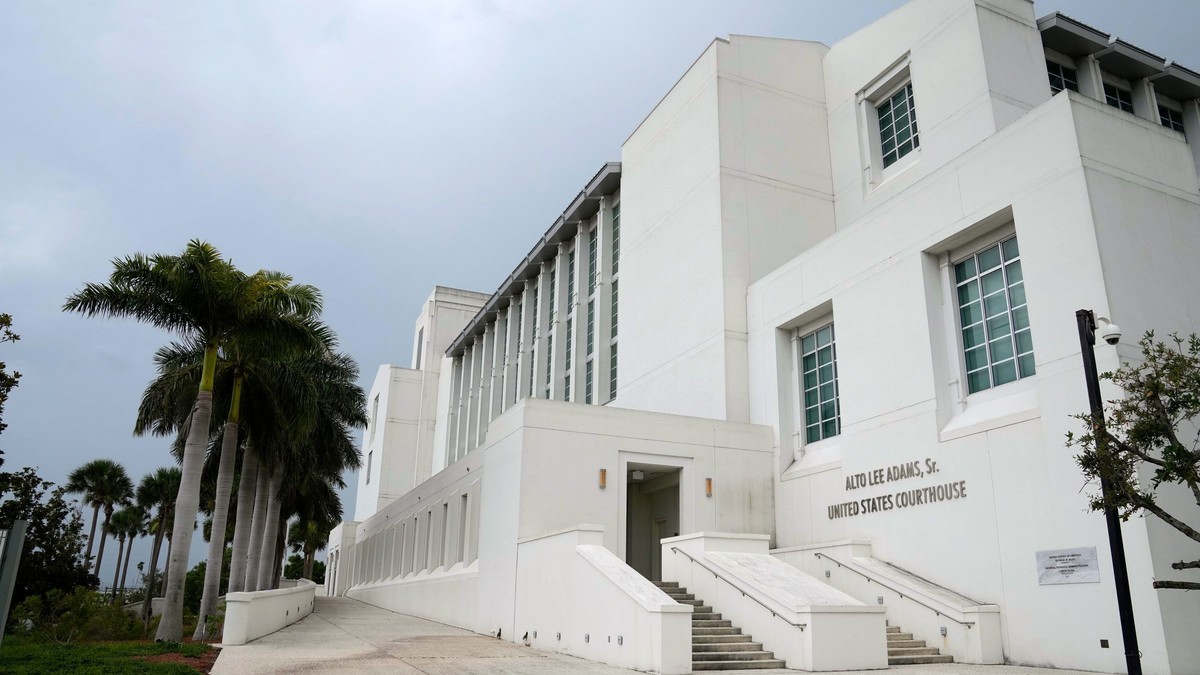
The venue is part of the argument. Brennan must appear in Fort Pierce, where Cannon sits. Wainstein's preservation request is aimed at building a record that could support a vindictive prosecution claim if Brennan is ever indicted — a defense that turns on showing prosecutors acted for improper reasons.
The records Brennan wants include communications between the Justice Department and the White House, which his team believes would show improper coordination. The department says he has no standing to demand preservation because he has not been charged. Wainstein counters that the risk is real enough to justify the request now: "The threat of prosecution remains quite real," he told the court, adding that "the message is very clear to the personnel at DOJ about what needs to happen."
The Wider Probe Brennan Is Now Part Of
The "grand conspiracy" investigation has produced more than 130 subpoenas, according to a Washington Examiner report citing an NBC News tally, targeting a range of former intelligence and law enforcement officials tied to the Trump-Russia investigation. Former FBI counterintelligence official Peter Strzok, former FBI attorney Lisa Page and former FBI Director James Comey have all been reported to be under subpoena at various points.
The core question, as CBS News described it, is whether Obama- and Biden-era officials conspired to deprive Trump of his rights to keep him out of public office. Subpoenas demanding testimony before a grand jury in the false statements probe were issued last spring, then abruptly withdrawn in favor of voluntary interviews — a retreat that the current subpoena to Brennan effectively reverses.
The Washington Post reported that federal prosecutors in Florida are barreling ahead with a sprawling investigation of several of Trump's political foes despite the resignation of the latest lawyer overseeing it. The paper had previously documented the department's vast conspiracy investigation into Trump's opponents in April 2026.
The Legal Theory That Has Not Yet Produced a Charge
For all the subpoenas and the target designation, no charges have been filed against Brennan. The Justice Department has not specified what crime he could be accused of committing, and Wainstein said he could not easily explain what crime the department could credibly allege.
The conspiracy theory itself has not been accepted by any court. It remains a prosecutorial theory under investigation rather than an established legal claim, and the department has announced no indictments arising from the probe. The investigation continues under Quiñones and, ultimately, Blanche.
What Happens Next
Brennan is scheduled to appear before the grand jury in Fort Pierce on October 15, 2026, unless a court intervenes first. His team's request for a preliminary injunction and a preservation order is now before Cobb, who has yet to rule.
No replacement has been named for diGenova, and Olsen remains involved in the case. The 11th Circuit request to move the matter out of Fort Pierce and away from Cannon also remains unresolved.
So Brennan stands as a target of one investigation and a subject of another, with no charge on the books and a date certain in October. Whether that appearance happens — and what comes out of it — now rests in part with a judge in Washington.
By Jessica Ali, Staff Writer
This article was produced with AI-assisted research and editorial support. Sources: The Associated Press (Eric Tucker), CBS News, The Washington Post, PBS NewsHour, the U.S. District Court for the District of Columbia (Brennan v. Blanche, Case 1:26-cv-02323-JMC, Document 32), The New York Times, The San Diego Union-Tribune and The Press Democrat.
What's Your Reaction?
 Like
1
Like
1
 Dislike
0
Dislike
0
 Love
0
Love
0
 Funny
0
Funny
0
 Wow
0
Wow
0
 Sad
0
Sad
0
 Angry
0
Angry
0

Editor-in-Chief at Global1.News. Atlanta-based journalist who cuts through the BS and tells it like it is. Lead anchor, host, and the voice you hear when the spin stops and the truth starts.














Comments (0)