
Open-Source Sora 2 Released: Run AI Video Locally on 8GB GPUs
The first open-source implementation of Sora 2 has reportedly arrived, letting users generate video clips locally instead of relying on closed cloud services. According to the YouTube video titled "FIRST Open Source SORA 2 Is HERE!" with ID 2SvPfkXs3Nk from channel Aitrepreneur, this release targets consumer hardware. It builds directly on OpenAI's original Sora model previewed
The first open-source implementation of Sora 2 has reportedly arrived, letting users generate video clips locally instead of relying on closed cloud services. According to the YouTube video titled "FIRST Open Source SORA 2 Is HERE!" with ID 2SvPfkXs3Nk from channel Aitrepreneur, this release targets consumer hardware. It builds directly on OpenAI's original Sora model previewed in February 2024 and released publicly in December 2024.
Open-Source Sora 2 Puts Professional Video Tools in Every Garage
Atlanta, GA – June 06, 2026 — A new open-source version of Sora 2 reportedly delivers upgraded video quality and longer clips that anyone with compatible hardware can now run at home. The development follows OpenAI's timeline exactly: preview in February 2024, public access in December 2024, and now an independent implementation that removes the need for proprietary servers. This shift aligns with long-standing open-source and right-to-repair movements that prioritize user control over locked-down systems.
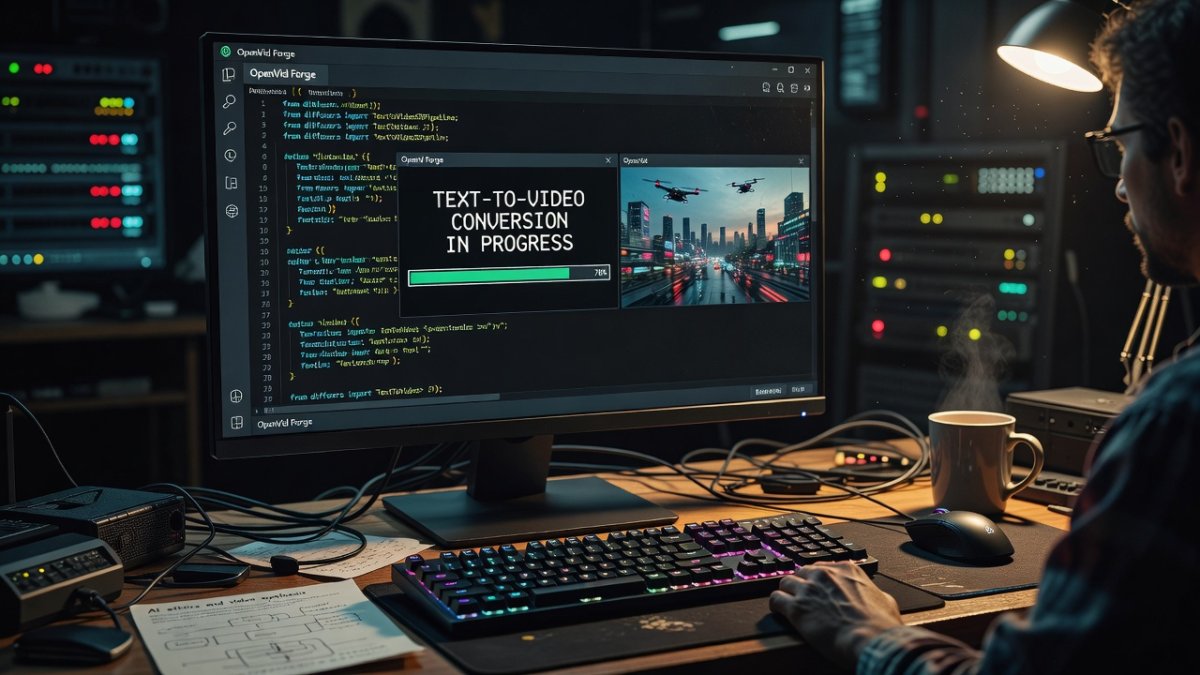
The Open-Source Breakthrough
The open-source Sora 2 reportedly allows installation on consumer GPUs requiring only 8GB or more of VRAM. This technical detail, highlighted in the Aitrepreneur coverage, means owners of many mid-range graphics cards can generate clips without data-center access. Such accessibility directly supports the open-source community's push for transparency and modification rights, echoing right-to-repair arguments that users should maintain ownership of the tools they purchase.

From Proprietary to Public
OpenAI first demonstrated Sora in February 2024 as a text-to-video system. The company opened public access in December 2024 with improvements in resolution and duration. The gap between that release and the current open-source effort has now been filled by independent developers, according to the referenced video report. This pattern mirrors earlier cases where closed models later inspired public alternatives.
What This Means for Creators
Filmmakers, educators, and independent artists gain the ability to produce custom video sequences on their own machines. The 8GB VRAM threshold reportedly covers widely available consumer cards, lowering barriers that previously required cloud subscriptions. This practical outcome expands creative options while keeping generation local and offline when desired.

The Double-Edged Sword
Broader access to high-quality text-to-video tools carries documented risks, including easier creation of misleading deepfake content. The same hardware requirements that enable hobbyists also apply to anyone seeking to misuse the technology. Current discussions around regulation focus on detection methods and platform policies rather than hardware restrictions, given the open-source nature of the release.
How to Get Started
Users reportedly need a GPU with at least 8GB VRAM and standard open-source installation steps outlined in community repositories. The Aitrepreneur video provides an overview of initial setup for those following the project. Hardware compatibility lists continue to expand as contributors test additional consumer cards.
The open-source Sora 2 release marks a clear inflection point: creators now hold more direct power over advanced video tools, yet the same power demands responsible handling. Review the Aitrepreneur coverage with ID 2SvPfkXs3Nk, verify your GPU specifications, and decide whether local AI video generation fits your workflow. Stay informed, test responsibly, and shape how this technology develops next.
By Jessica Ali, Staff Writer
This article was produced with AI-assisted research and editorial support. Reporting is based on sources cited in the article.
What's Your Reaction?
 Like
0
Like
0
 Dislike
0
Dislike
0
 Love
0
Love
0
 Funny
0
Funny
0
 Wow
0
Wow
0
 Sad
0
Sad
0
 Angry
0
Angry
0

Editor-in-Chief at Global1.News. Atlanta-based journalist who cuts through the BS and tells it like it is. Lead anchor, host, and the voice you hear when the spin stops and the truth starts.














Comments (0)