
Mexico-US Drone Deal Targets Cartel Drones
Mexico and the US signed a non-binding drone agreement allowing Mexico's Defense Ministry to acquire unmanned aerial systems from the US Army's digital marketplace, strengthening bilateral security cooperation against cartel drone use.
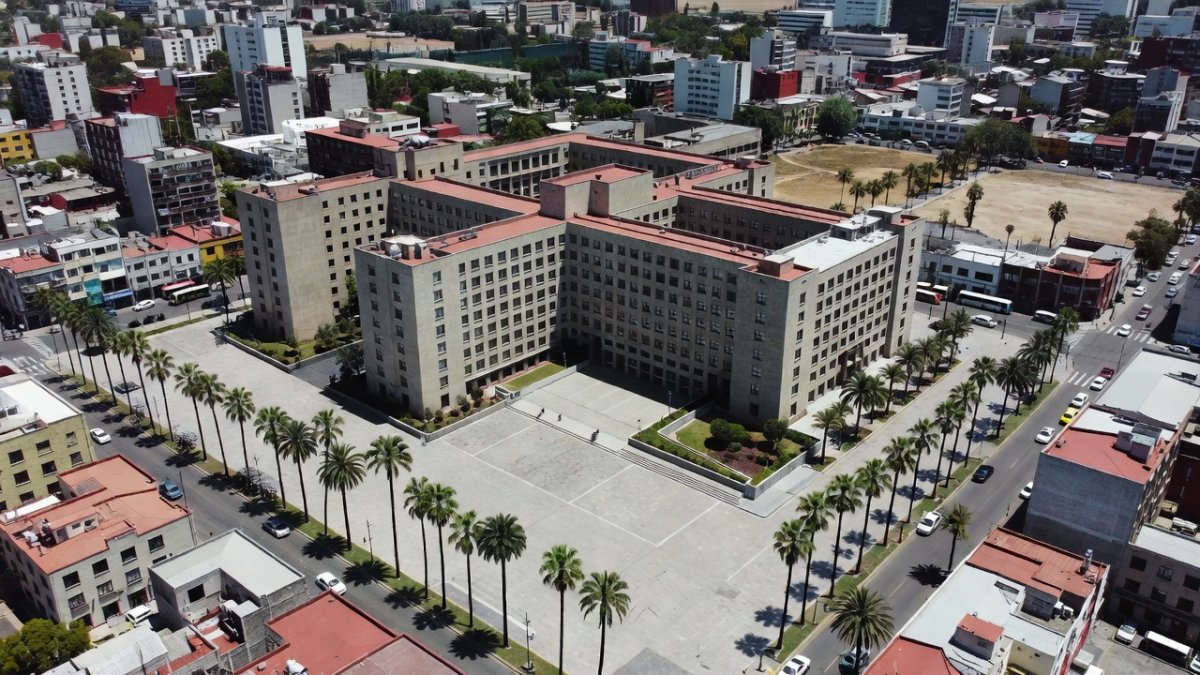
Mexico and the United States signed a defense agreement on new technologies last week, further strengthening cooperation between the two countries on security matters. The declaration of intent, signed on August 11, 2026, is a non-binding document that nonetheless carries significant symbolic weight in the ongoing bilateral effort to combat organized crime. U.S. Ambassador to Mexico Ronald Johnson on Sunday underscored the bilateral cooperation within the declaration of intent that will allow Mexico's Defense Ministry (Defensa) to acquire drones and counter-unmanned aircraft systems.
Celebrating the agreement and the bilateral commitment to fighting organized crime, Johnson published an image of himself shaking hands with Mexican Security Minister Omar García Harfuch as his Photo of the Week. "Under the leadership of President Donald Trump and President Claudia Sheinbaum, our cooperation continues to yield results," he said. The image, a simple handshake between two senior officials, was framed by the ambassador as a symbol of a relationship that has seen its share of turbulence but is now, according to both governments, producing tangible outcomes.
The signatories of the declaration of intent were García Harfuch, General Héctor Ávila Alcocer, and U.S. Army Secretary Daniel Patrick Driscoll. The presence of high-ranking military and security officials on both sides of the table underscores the strategic nature of the pact. Afterward, Sedena confirmed that no models, quantities, cost, or delivery dates have been agreed, and there is no purchase commitment. This careful language is a reminder that while the political will is present, the operational details remain to be worked out in the months ahead.
A Digital Marketplace for Defense
In a separate social media post, Johnson said the pact strengthens strategic and operational capabilities, specifically by allowing Mexico's Defense Ministry "to access the U.S. Army's digital marketplace to acquire unmanned aerial systems and counter-unmanned aerial systems at competitive costs." This access is the core of the agreement — a bureaucratic but crucial doorway that could streamline future acquisitions. For Mexican officials, this represents a practical tool to address a rapidly evolving threat.The agreement follows a December meeting of the U.S.-Mexico Security Implementation Group during which the neighboring countries consented to expand cooperation in dealing with the increased use of drones by criminal organizations. That December meeting set the stage for the August declaration, signaling a continuity of purpose between the two administrations. The focus on drones is not accidental; it reflects a growing concern in both Washington and Mexico City about how cartels are adapting to new technologies.Mexican officials and analysts note the agreement comes amid growing concern in the United States over cartel use of commercial drone technology. U.S. intelligence and defense assessments cited by Excelsior have warned about increasing use of unmanned aircraft by transnational criminal organizations. These are not just surveillance tools; in some regions, cartels have reportedly used drones for reconnaissance and, in more alarming cases, to drop explosives on rival groups or security forces. The threat is real, and it is evolving faster than traditional law enforcement methods can keep up.Michoacán: The Avocado Heartland Under Pressure
Also discussed at the December meeting was security in the avocado-growing region of Michoacán, where residents have frequently complained about extortion and violence by organized crime cartels. The situation in that western state prompted the U.S. government to momentarily suspend the avocado trade earlier this month. This suspension sent shockwaves through the local economy, as Michoacán is the only Mexican state licensed to export avocados to the U.S., supplying roughly 80% of U.S. avocado imports.The avocado trade is not just an economic statistic; it is the lifeblood of thousands of families in communities like Uruapan, Tancítaro, and Apatzingán. For the campesinos and small business owners in these towns, the avocado is more than a fruit — it is a promise of a better life, a way to send children to school, and a source of pride for a region that has learned to live with the shadow of violence. When the U.S. suspends the trade, it is not just a diplomatic gesture; it is a direct hit to the wallets and well-being of ordinary Mexican families.The suspension followed a threat against U.S. inspectors in Michoacán. In response, Mexico deployed troops from SEDENA and the Guardia Nacional to the state to restore a sense of order and protect the inspectors. The deployment was a visible show of force, but for many residents, it is a reminder of how fragile their security truly is. The presence of soldiers in the avocado orchards is a double-edged sword: it brings a measure of safety, but it also underscores the persistent presence of organized crime in their daily lives.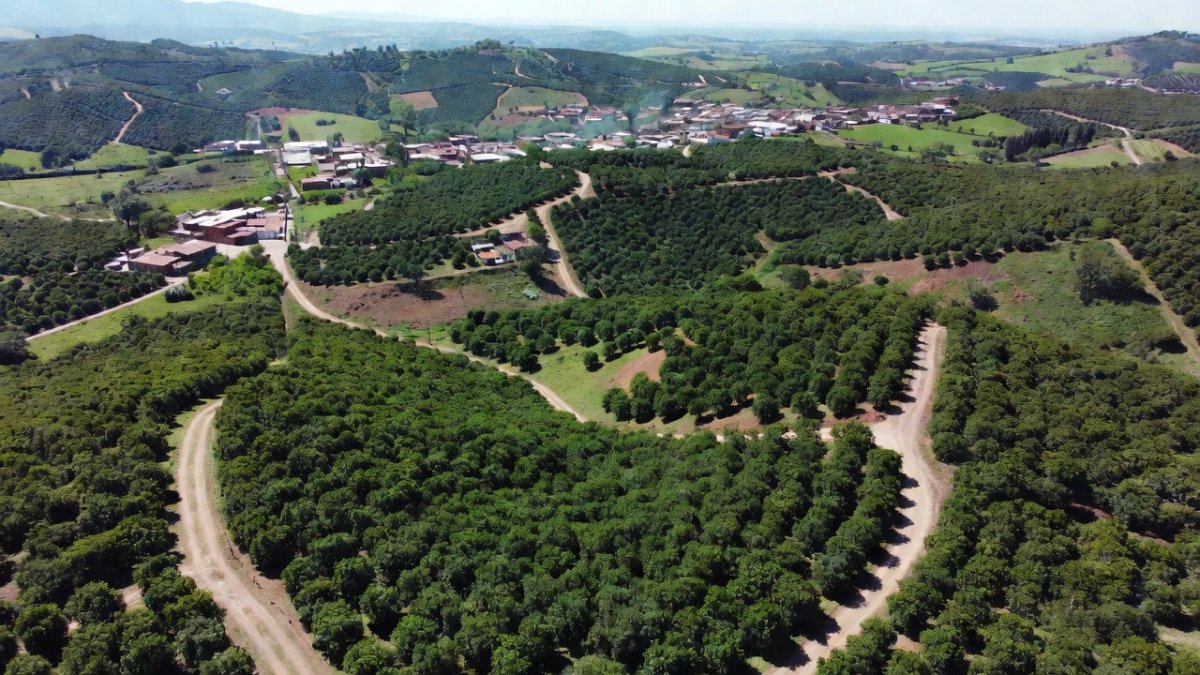
Steering the Relationship Back on Track
El País (Aug 17, 2026) reports Mexico and Washington are steering the security relationship back on track. This is a significant narrative shift from the tensions that have occasionally marked the bilateral relationship. Security Secretary Omar García Harfuch is also expected to attend the DEA conference in Argentina, a further sign of deepening cooperation. These diplomatic movements suggest that both governments are prioritizing a pragmatic approach to security over political posturing.For the Sheinbaum administration, this agreement is an opportunity to demonstrate that it can manage the complex relationship with its northern neighbor while addressing domestic security concerns. For the Trump administration, it is a chance to show progress on a border security agenda that resonates with its domestic audience. The handshake between Johnson and García Harfuch, captured in the ambassador's Photo of the Week, is a carefully curated image of unity — but the real work lies ahead.The agreement is non-binding, and the lack of specific commitments means that its success will depend on follow-through. Will Mexico actually purchase U.S. drones? Will the digital marketplace access translate into faster acquisitions? These are questions that will be answered in the coming months. For now, the declaration serves as a framework, a statement of intent that both governments can point to as evidence of cooperation.What This Means for Mexican Communities
For the average Mexican, this agreement may seem distant — a matter of generals and ambassadors, not of daily life. But the implications are deeply local. In the colonias of Tijuana, the ejidos of Sinaloa, and the pueblos mágicos of Michoacán, the threat of cartel violence is a constant companion. Drones have added a new layer of fear, allowing criminal groups to surveil neighborhoods, track rivals, and even deliver payloads without putting their own members at risk.The promise of counter-drone technology is that it could level the playing field, giving security forces the tools they need to detect and neutralize these threats. For families in rural communities, this could mean fewer nights of hearing the ominous buzz of an unmanned aircraft overhead. For farmers in Michoacán, it could mean a more stable environment for their avocado harvests, free from the threat of extortion and violence.But there is also a note of caution. Technology alone does not solve security problems. The agreement is a tool, not a solution. The real work involves intelligence, community trust, and addressing the root causes of violence — poverty, inequality, and the lack of opportunities that drive young people into the arms of criminal organizations. As the Mexican government moves forward with this agreement, it must remember that the ultimate measure of success is not the number of drones purchased, but the safety and well-being of the people they are meant to protect.Looking Ahead: Cautious Optimism
The coming months will be telling. Will the digital marketplace access translate into concrete acquisitions? Will the cooperation extend beyond drones to other areas of security? And, most importantly, will the people of Michoacán and other affected regions see a tangible improvement in their daily lives? These are the questions that matter, and they do not have easy answers.For now, the agreement stands as a symbol of what can be achieved when two nations choose to work together. It is a small step, but in the complex world of international security, small steps can lead to significant journeys. The handshake between Johnson and García Harfuch is a starting point, not a finish line. As the Sheinbaum administration continues to navigate this relationship, it must keep the focus on the communities that bear the brunt of cartel violence — the families, the farmers, the small business owners who just want to live in peace.The drone agreement is a reminder that security is not just about military hardware or diplomatic declarations. It is about the quiet moments of everyday life — a mother walking her children to school, a farmer tending his avocado trees, a young person dreaming of a future beyond the violence. If this agreement helps protect those moments, it will have served its purpose. If it does not, it will be just another piece of paper. The hope is that it is the former, and the work begins now to make that hope a reality.Tags: Mexico US drone agreement, cartel drones, Omar García Harfuch, Ronald Johnson, Sedena, Michoacán avocado, security cooperation, counter-drone systems, Claudia Sheinbaum, Donald Trump
By Rosa Martinez, Staff Writer
This article was produced with AI-assisted research and editorial support. Sources: Mexico News Daily, La Jornada, El Financiero, The Rio Times, El País, Excelsior.
What's Your Reaction?
 Like
0
Like
0
 Dislike
0
Dislike
0
 Love
0
Love
0
 Funny
0
Funny
0
 Wow
0
Wow
0
 Sad
0
Sad
0
 Angry
0
Angry
0

Latin America/Andes Correspondent at Global1.News. Based in Bogota, covering politics, environment, energy, and social movements across the Andean region. Passionate about environmental journalism and communities protecting their land.











Comments (0)