
Hong Kong paediatrician urges parents to vaccinate children as temperatures fall
As Hong Kong prepares for a noticeable drop in temperature next week, a leading paediatric specialist has issued a stark warning about the city’s influenza outlook.
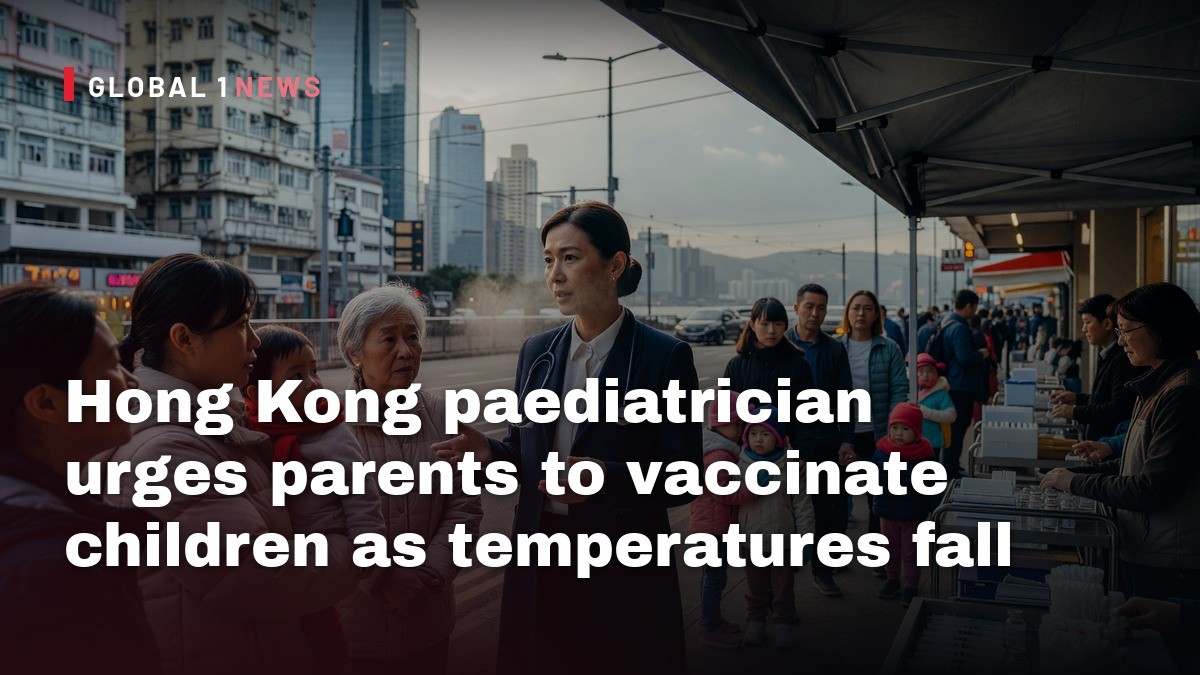
As Hong Kong prepares for a noticeable drop in temperature next week, a leading paediatric specialist has issued a stark warning about the city’s influenza outlook. Dr Mike Kwan Yat‑wah, a former president of the Asian Society for Paediatric Infectious Diseases, urged parents to secure flu vaccinations for their children without delay. His appeal comes amid a season that has already produced a concerning number of severe paediatric cases, including two fatalities, underscoring the potential for a prolonged and overlapping flu wave that could strain both families and the health system.
Seasonal context and the looming temperature shift
The timing of Dr Kwan’s warning aligns with a seasonal transition that traditionally marks the beginning of Hong Kong’s cooler months. While the city’s subtropical climate generally moderates the intensity of winter, the anticipated temperature dip is expected to create conditions more conducive to influenza transmission. In the past, cooler weather has coincided with increased indoor gatherings, a factor that can accelerate the spread of respiratory viruses among children, who are particularly vulnerable.
In addition to the seasonal cooling, Hong Kong is currently navigating an unusual epidemiological pattern: the overlap of summer and winter influenza activity. This dual‑wave scenario is atypical for the region, where flu seasons have historically been more discrete. The convergence of the two waves raises the risk of a sustained period of viral circulation, extending the window of exposure for children and heightening the urgency of vaccination efforts.
Current paediatric influenza impact
Official health data for the current flu season indicate that Hong Kong has recorded 29 cases of severe paediatric influenza infection. Among these, two children have succumbed to the illness, highlighting the seriousness of the situation. While the raw numbers are modest compared with adult cases, the severity of outcomes in children underscores the heightened risk that influenza poses to younger populations, especially those with underlying health conditions.
These figures, though limited, have prompted public health officials to monitor paediatric admissions closely. The concentration of severe cases within a relatively short timeframe suggests that the virus may be circulating more aggressively among school‑age children, a demographic that often serves as a conduit for broader community transmission.
Expert analysis: Overlapping flu waves
Dr Kwan’s assessment that Hong Kong could experience a longer flu season stems from the simultaneous presence of summer and winter influenza strains. Typically, the summer wave in Hong Kong is milder, but the current season appears to have amplified its impact, possibly due to viral mutations or changes in population immunity. When the winter wave arrives, the coexistence of both strains could lead to a “double whammy,” extending the period during which the virus is actively spreading.
This overlapping scenario complicates public health planning. Vaccination campaigns that are traditionally timed for the onset of winter may now need to be accelerated to address the summer surge. Moreover, health services must be prepared for a potentially protracted demand for antiviral medications, hospital beds, and intensive care resources, particularly for paediatric patients who may require more intensive monitoring.
Vaccination as the primary defensive measure
In light of the heightened risk, Dr Kwan emphasizes vaccination as the most effective tool to protect children. The influenza vaccine, while not guaranteeing absolute immunity, significantly reduces the likelihood of severe disease and hospitalization. By inoculating children before the temperature drop, parents can help blunt the anticipated rise in cases that typically follows cooler weather.
Given the current epidemiological context, early vaccination also serves a broader public health purpose: it can help dampen the overall transmission chain. Children often act as vectors for influenza, bringing the virus home from schools and daycare centers. A higher vaccination coverage among this group can therefore contribute to community‑wide protection, a concept known as herd immunity, albeit without precise quantitative thresholds disclosed in the source material.
Public health messaging and parental responsibility
The call to action directed at parents reflects a cultural expectation in Hong Kong that families take proactive steps to safeguard health. Historically, vaccination uptake in the city has been high, driven by a combination of public trust in medical authorities and a strong emphasis on preventive care within the community. Dr Kwan’s appeal leverages this cultural backdrop, urging parents to act promptly before the cooler temperatures set in.
Effective communication will be crucial to translating this expert warning into tangible vaccination appointments. Health officials are likely to coordinate with schools, community centres, and private clinics to disseminate reminders and facilitate access. The urgency conveyed by the expert’s warning—especially the reference to fatal paediatric cases—serves to underscore the seriousness of the situation, aiming to motivate parents who might otherwise delay vaccination.
Potential implications for health services
If the overlapping flu waves materialize as predicted, Hong Kong’s hospitals may confront increased paediatric admissions. Intensive care units, already operating near capacity during typical flu seasons, could experience additional strain. This scenario would necessitate strategic resource allocation, including the potential activation of surge capacity plans that have been refined in response to past public health emergencies.
Beyond immediate clinical care, the extended flu season could impact other sectors, such as education and the workforce. Schools may see higher absenteeism rates, prompting considerations for remote learning contingencies. Employers might also need to accommodate increased sick leave, especially for parents caring for ill children, thereby influencing broader economic activity during the cooler months.
Looking ahead: Monitoring and adaptive response
The situation calls for vigilant surveillance of influenza activity across age groups, with particular attention to paediatric trends. Ongoing data collection will enable health authorities to adjust vaccination strategies, possibly expanding eligibility windows or deploying targeted outreach in districts with higher case concentrations. Continuous monitoring will also help assess the effectiveness of the public health messaging and identify any gaps in vaccine coverage.
In the meantime, Dr Kwan’s recommendation remains clear: parents should arrange influenza vaccinations for their children as soon as possible, ahead of the anticipated temperature decline. By acting decisively, families can contribute to a collective effort to mitigate the impact of what could become an unusually protracted flu season in Hong Kong.
This article was produced with AI-assisted research and editorial support. Reporting is based on the source material cited below. Sources: South China Morning Post; scmp.com; Global1.News (08 November 2026).
By Kenji Tanaka, Staff Writer
What's Your Reaction?
 Like
0
 Dislike
0
 Love
0
 Funny
0
 Wow
0
 Sad
0
 Angry
0

Japan Correspondent at Global1.News. Tokyo-based voice covering Japanese politics, technology, economy, and culture. Tracks the intersection of tradition and innovation in one of the world's most dynamic societies.












Comments (0)