
Miss South Africa 2026: Not a single blonde among Top 12 finalists
As the Sandton Convention Centre readies its stage for Saturday, 14 November, the buzz in South Africa is not just about the glitter and gowns – it’s about a striking visual trend that has sparked conversation across the nation.
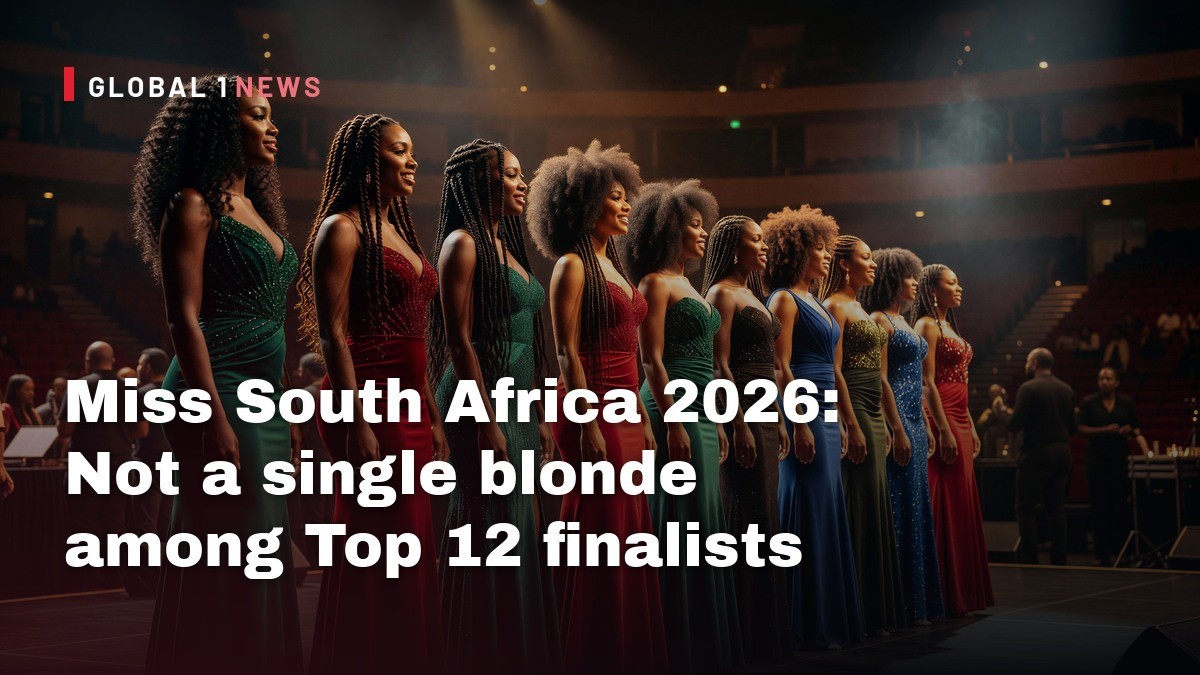
As the Sandton Convention Centre readies its stage for Saturday, 14 November, the buzz in South Africa is not just about the glitter and gowns – it’s about a striking visual trend that has sparked conversation across the nation. All twelve finalists vying for the Miss South Africa 2026 crown share one unmistakable feature: darker hair. No blonde contender appears in the line‑up, a fact that has prompted both curiosity and nostalgia among fans, especially when we look back to the last time a blonde took the crown.
The All‑Dark‑Hair Line‑up: A Visual Shift
The official photographs released by the Miss South Africa organisation showcase a diverse group of women, each exuding confidence and poise. Yet, a quick visual scan reveals that every contestant sports darker tresses, ranging from deep brown to black. This uniformity stands out in a competition that traditionally celebrates a wide spectrum of beauty standards, making the absence of blonde hair a noteworthy talking point.
For many South Africans, the pageant is more than a beauty contest; it’s a cultural barometer that reflects evolving aesthetics and the nation’s rich tapestry of heritage. The current cohort’s shared hair colour subtly underscores the growing representation of South Africa’s Black and Coloured communities on a national stage, aligning with broader transformation narratives that have shaped sports, entertainment, and public life over the past decade.
Looking Back: The Last Blonde Crowned
When the discussion turned to the most recent blonde‑haired Miss South Africa, the name that surfaced was Melinda Bam, who claimed the title back in 2011. While the source material stops short of confirming every detail of her reign, it does suggest that Bam remains the benchmark for the last blonde victor. Her win, more than a decade ago, still resonates as a reference point for fans tracking hair‑colour trends among the nation’s beauty queens.
Melinda Bam’s victory came at a time when the pageant was undergoing its own transformation, mirroring the shifts seen in South African sport where icons like Siya Kolisi were breaking new ground. Bam’s reign, therefore, sits within a broader narrative of South Africans embracing diverse role models, both on the runway and the playing field.
The Pageant’s Place in South African Culture
Miss South Africa has long been a platform that transcends the realm of fashion, offering a stage for women to become ambassadors for social causes, education, and national pride. The 2026 edition continues this tradition, with the finalists set to compete at the iconic Sandton Convention Centre – a venue that has hosted countless historic events, from rugby triumphs to cricket milestones.
Just as a Springbok’s try can ignite a nation, the crowning of Miss South Africa carries symbolic weight. The finalists’ stories, rooted in various provinces and communities, echo the grassroots journeys of many South African athletes who rise from township fields to international stadiums. Their presence on the national stage reinforces the pageant’s role as a conduit for empowerment and representation.
Ticketing and Broadcast: Making the Event Accessible
For fans eager to witness the crowning moment live, tickets are on sale through Ticketpro, starting at a price point that reflects the event’s high‑profile status. While the exact figure is listed in the source material, the broader implication is clear: the pageant remains a major live‑event draw, much like a high‑stakes rugby test match that fills stadiums across the country.
The broadcast will be carried on Mzansi Magic, DStv channel 161, commencing at 19:30 on the night of the final. This prime‑time slot ensures that households nationwide can tune in, mirroring the way South African sports channels bring live matches into living rooms, fostering a shared viewing experience that unites fans across diverse backgrounds.
The Finalists: A Snapshot of Diversity
The twelve women, listed alphabetically by first name, include Alia Khan, Amogelang Bunu, Bonolo Marang, Cwenga Koyana, Katlego Malebye, Lesego Khumo, Makhosazana Azana, Ndivanga Muravha, Palesa van Rooyen, Simoné Nonhlanhla, Tiyani Makamu and Zoalize Jansen Van Rensburg. While the source material does not provide detailed biographies, the variety of surnames hints at a broad representation of South Africa’s linguistic and cultural mosaic.
Each finalist brings her own story of ambition, community involvement, and personal achievement. In the same way that a cricketer’s rise through provincial ranks reflects dedication and talent, these women’s journeys to the national stage illustrate perseverance and the pursuit of excellence – qualities celebrated across South African sport and society.
What the Hair‑Colour Trend Might Signal
The uniformity of darker hair among the 2026 finalists could be interpreted as a subtle shift in beauty standards, aligning with a growing appreciation for natural looks and authentic representation. In recent years, South African athletes have increasingly embraced their natural hair and cultural identities on the global stage, sending powerful messages about self‑acceptance and pride.
While it would be speculative to claim a direct causal link, the parallel between the pageant’s aesthetic trend and the broader societal embrace of natural beauty suggests a cultural momentum. This momentum, championed by public figures in sport and entertainment, reinforces the idea that South Africans are redefining what it means to be celebrated on a national platform.
Looking Ahead: Anticipating the 2026 Crown
As the final night approaches, the excitement builds not just for the crowning moment but for the ripple effects that follow. The winner will step into a role that extends beyond the glitz of the runway, potentially influencing youth programmes, health campaigns, and community initiatives – much like a Springbok captain who uses his platform to advocate for transformation and development.
Whether the next Miss South Africa will continue the trend of darker hair or break it with a surprise twist remains to be seen. What is certain, however, is that the pageant will continue to reflect South Africa’s evolving identity, celebrating the strength, diversity, and resilience that define the nation’s spirit – on the field, in the stadium, and now, on the stage of the Sandton Convention Centre.
This article was produced with AI-assisted research and editorial support. Reporting is based on the source material cited below. Sources: The South African; thesouthafrican.com; Global1.News (03 November 2026).
By Dante Williams, Staff Writer
What's Your Reaction?
 Like
0
 Dislike
0
 Love
0
 Funny
0
 Wow
0
 Sad
0
 Angry
0

Breaking News and Investigations Correspondent at Global1.News. Based in London, covering global breaking news, security, and investigative stories. Known for digging deeper and connecting the dots across continents.












Comments (0)