
A Guatemalan Deputy and Three Police Officers Killed on the Atlantic Highway
Deputy Julio César Portillo Paz and three National Civil Police officers were killed when gunmen ambushed his convoy at kilometre 137 of the Atlantic Highway in Río Hondo, Zacapa, and Guatemala's president has ordered prosecutors to find those responsible.
Folks, a sitting member of Guatemala's Congress was ambushed on the highway that runs to the Caribbean, in front of a police post, in the middle of a Friday afternoon, and four people are dead. Julio César Portillo Paz was not caught in somebody else's crossfire. He was the target, three police officers died trying to keep him alive, and twenty days after another prominent Guatemalan was shot dead in the capital, the country is asking the same question again: who is doing this, and who is letting them.
A Guatemalan Deputy and Three Police Officers Killed on the Atlantic Highway
Río Hondo, Zacapa — The attack happened at kilometre 137 of the Atlantic Highway, in the municipality of Río Hondo, in the eastern department of Zacapa, close to a police sub-station. Portillo was travelling in a white agricultural pickup with his wife and his security team when gunmen intercepted the convoy and opened fire with rifles, according to the National Civil Police.
The Ambush at Kilometre 137
The first hours were chaos measured in minutes. Two other people in the convoy were unhurt and were treated for nervous shock at the scene, while emergency crews worked the asphalt around the vehicles. Portillo reached the Regional Hospital of Zacapa at 17:45 local time. He was taken straight into surgery to control the bleeding, moved afterwards into critical care, and pronounced dead at 21:58, roughly four hours after he arrived.
His security detail did not survive the ambush either. The three officers who died were members of the Division of Protection of Persons and Security, the unit that guards Guatemalan officials, and they died, in the words of the Interior Ministry, while repelling a direct attack against the lawmaker. In a single afternoon on a public highway, Guatemala lost a legislator and three policemen.
Four Vehicles, and More Than Fifty Marks on the Road
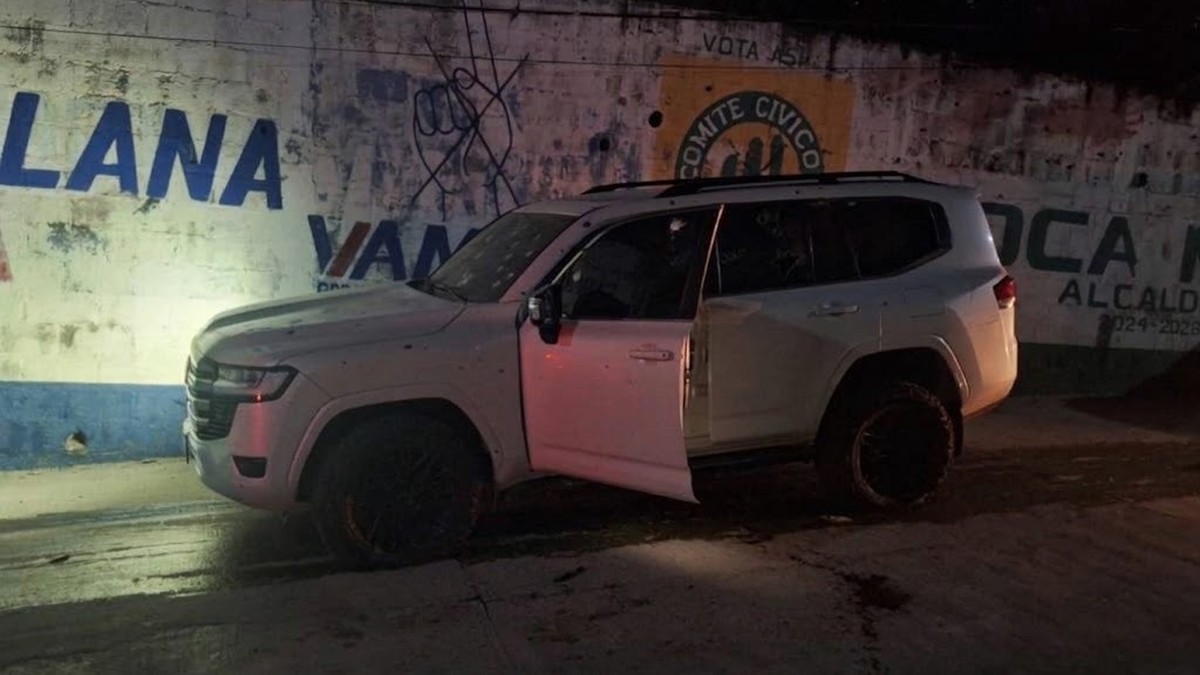
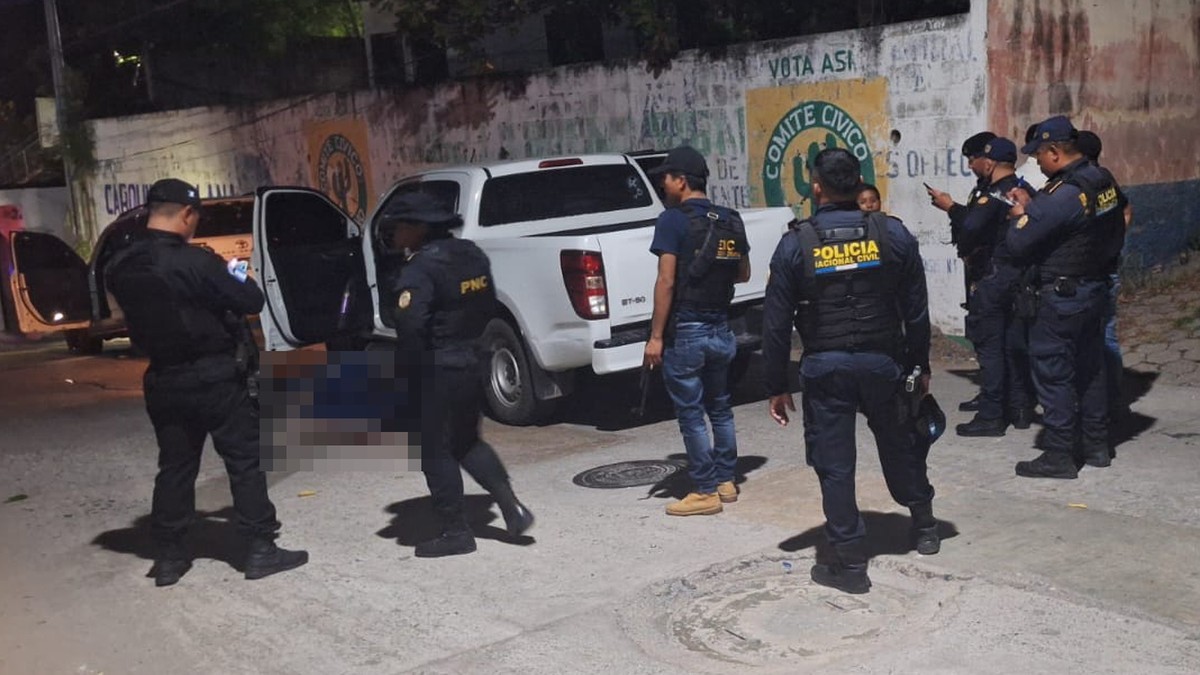
Prosecutors from the Public Ministry worked the scene through Friday night and into Saturday morning, and what they documented explains the scale of the firepower. Four vehicles were left inside the cordon: the white agricultural pickup Portillo was riding in, a white double-cab used by his bodyguards, a police motorcycle carrying two of the officers who died, and a second white agricultural pickup, plates P-824 KML, stopped in front of the others. The authorities have not said who was travelling in that fourth vehicle.
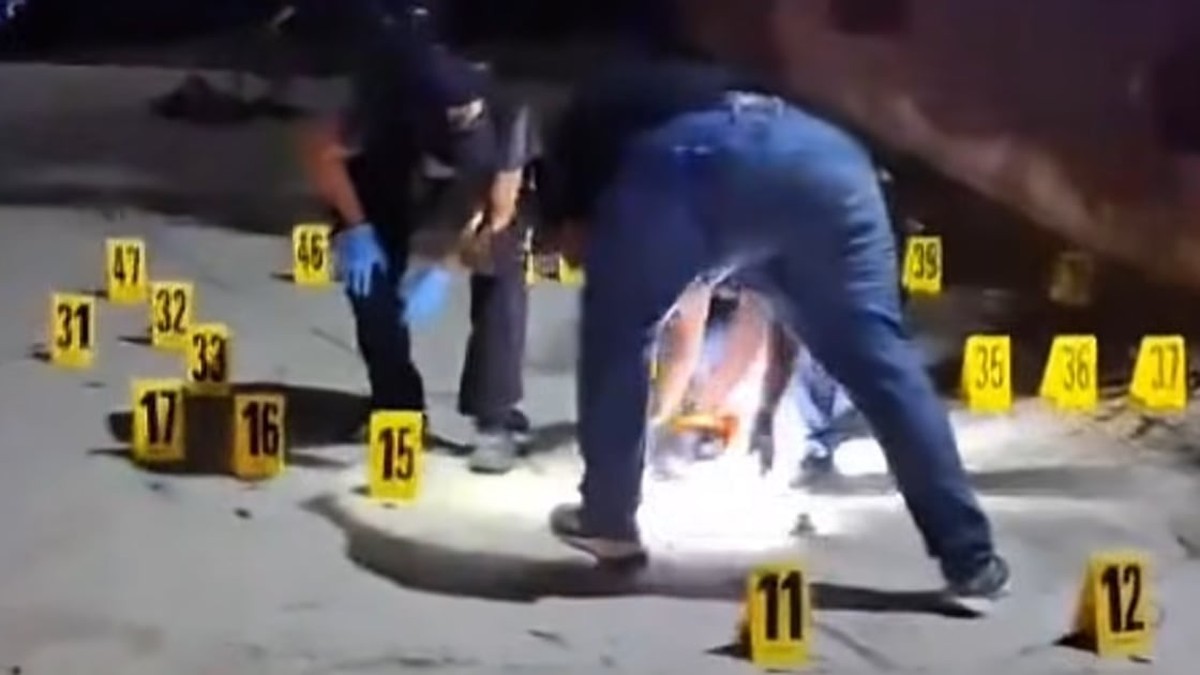
Prensa Libre, reviewing video of the prosecutors' work, counted more than fifty ballistic indications recovered from the roadway. Publinews reported more than forty of different calibres. That is a sustained volley, fired into a convoy on a public road, metres from a police post.
The Reports That Did Not Agree
The first account from the rescue services was wrong, and the gap between the versions has not been closed. The Municipal Fire Department initially described the deputy as stable and said he had no gunshot wounds at all, only injuries from glass splinters thrown off the windscreen. That same report put the dead at two police officers and one private bodyguard.
The hospital told a different story. Its director, Luis Alberto Nájera García, said Portillo arrived with multiple gunshot wounds, the worst of them in the face and the skull. "The most important ones were in the facial and cranial region, the face and the skull," Nájera said. The National Institute of Forensic Sciences later confirmed the cause of death as wounds from firearm projectiles. The Interior Ministry settled the other question by confirming that all three dead were National Civil Police officers. La Hora, the Guatemalan daily, headlined the discrepancy directly: contradictory versions.
A Deputy Who Had Just Changed Parties
Portillo was born in December 1990 and had sat in the current legislature, which runs from 2024 to 2028, elected for Zacapa on the slate of Cabal, the party linked to former presidential candidate Edmond Mulet. His record there was busy rather than famous: fourteen committee assignments, including the vice-presidencies of the food security and foreign relations committees, and involvement in dozens of legislative initiatives on farm inputs, pensions, the minimum wage and the cost of living.
It was also contested. In April 2025, Cabal began expulsion proceedings against him after the mayor of La Unión, Zacapa, Edvin Gustavo Galván, accused him of demanding commissions in exchange for municipal projects. Then, six days before the ambush, on 31 October, Portillo was proclaimed as a member of the National Unity of Hope, the party led by former presidential candidate Sandra Torres, as he prepared to run again in next year's general election. He died a deputy without the party that elected him.
The Seat, and Who Inherits It
Under Guatemalan procedure, Congress has to declare the seat vacant before a substitute is sworn in. The next name on the Cabal slate for Zacapa in 2023 was Marvin Esaú Rivas Castañeda, a lawyer who ran second to Portillo on that ticket and who, according to sources quoted by Prensa Libre, has since moved toward the Creo party. His swearing-in could be completed next week.
The Congress itself did not wait for any of that to speak. Its president, Luis Alberto Contreras Colindres, the board of the legislature and deputies from across the chamber issued a statement repudiating the attack, expressing condolences to the families and demanding an investigation that is prompt, transparent and impartial. On the day a deputy from the opposition benches was killed, the chamber spoke with one voice.
Zacapa, and the Road to the Caribbean
The location is not incidental. The Atlantic Highway is the spine that carries traffic from Guatemala City down to the Caribbean port of Puerto Barrios, and the stretch through Zacapa has long been treated by security analysts as a corridor for drug trafficking and contraband. The Lorenzana family network, which InSight Crime and Deutsche Welle have both described as tied to Mexico's Sinaloa cartel, has operated in this province for years.
The province has also been violent recently. On 27 September, an armed incursion in Huité, Zacapa, left eight people dead during an operation aimed at Haroldo Waldemar Lorenzana Terraza, according to local reporting. That was forty days before the ambush at kilometre 137. None of this establishes who fired on Friday, and the authorities have made no such link. But it explains why Guatemalans read a highway shooting in Zacapa differently from a highway shooting anywhere else.
Twenty Days After Solórzano Foppa
The comparison every Guatemalan made within hours was to Juan Francisco Solórzano Foppa, the anti-corruption lawyer and former head of the tax authority who was shot dead on 17 October at the Campo Marte sports complex in Guatemala City. He was 43, he had spent years naming powerful people, and Reuters described his killing as one of the most significant political assassinations in the country in recent decades. Two suspects were detained in that case.
Twenty days separate the two killings. The Public Ministry has not established a connection between them, and no one has claimed responsibility for either. That absence of a stated link is itself the story in Guatemala City: two men with public profiles, killed in daylight and early evening, in a country that has seen political violence before and recognises its rhythm.
A Police Force Investigating Itself
The force that lost three men on Friday is the same force under investigation for how it handled the last murder. On 27 October, Interior Minister Marco Antonio Villeda dismissed the director general of the National Civil Police, David Custodio Boteo, and the deputy director of operations, Esvin Jacinto Quiché, amid internal reviews opened after the Solórzano Foppa killing. Seven officers attached to police station 13 were placed under investigation over allegations that they planted evidence against the brothers accused in that case.
Óscar Morales, a security analyst and university lecturer, said the changes were necessary but arrived late. Francisco Quezada of the Centre for National Economic Research asked the government to explain why the command was removed at all, warning that opacity breeds speculation. The new leadership's hardest task, Quezada said, is security for next year's general election.
What Arévalo Said, and What Comes Next
President Bernardo Arévalo was in Madrid for the Ibero-American Summit when the news broke, and he responded on X. "I repudiate the criminal attack that occurred in Río Hondo, Zacapa, in which deputy Julio Portillo and three agents of the National Civil Police lost their lives," he wrote, before adding that he had instructed the security forces to cooperate fully with prosecutors so that those responsible face justice. "We will not allow criminal violence to prevail over the lives and safety of Guatemalans."
Vice President Karin Herrera, who was acting as president in his absence, named the three officers and condemned the killing in her own statement, sending condolences to their families. The Interior Ministry said the investigation belongs to the Public Ministry, which is the correct constitutional answer and also the one that buys time. In Guatemala, the gap between a presidential instruction and an arrest is where most of these cases have died.
What Is Still Not Known
No one has been arrested for the ambush. No motive has been disclosed. No group has been named, and the authorities have not said how many attackers took part, how they arrived, or how they left. The occupants of the fourth vehicle remain unidentified in public. Whether Portillo had received threats, and whether the state had acted on any warning, has not been answered by anyone with the authority to answer it.
What is known is enough to be damning. A legislator was killed on the country's main highway, in front of a police post, with more than fifty ballistic traces left on the road and three officers dead beside him. If that can happen in Zacapa on a Friday afternoon, it can happen anywhere in the country. Guatemala's Congress meets this week with one fewer member. The question for the rest of them is whether the seat is the only thing that changes.
By Jessica Ali, Staff Writer
This article was produced with AI-assisted research and editorial support. Cover: Global 1 News editorial image. Photographs: CBMD via Prensa Libre; EFE/Bomberos Municipales Departamentales via Prensa Libre; Publinews. Sources: Reuters, AFP, Prensa Libre, La Hora, Publinews, El País, Infobae, El Tiempo, Prensa Latina, InSight Crime.
What's Your Reaction?
 Like
0
 Dislike
0
 Love
0
 Funny
0
 Wow
0
 Sad
0
 Angry
0

Editor-in-Chief at Global1.News. Atlanta-based journalist who cuts through the BS and tells it like it is. Lead anchor, host, and the voice you hear when the spin stops and the truth starts.












Comments (0)