
One person killed in Kwara auto crash
On a quiet Sunday evening in Kwara State, a tragic accident on the Oko‑Olowo highway claimed a single life and left several others injured. The crash, which unfolded at the Iye‑Maja junction at approximately 18:35, involved a commercial bus bearing the registration number DTH840SA.
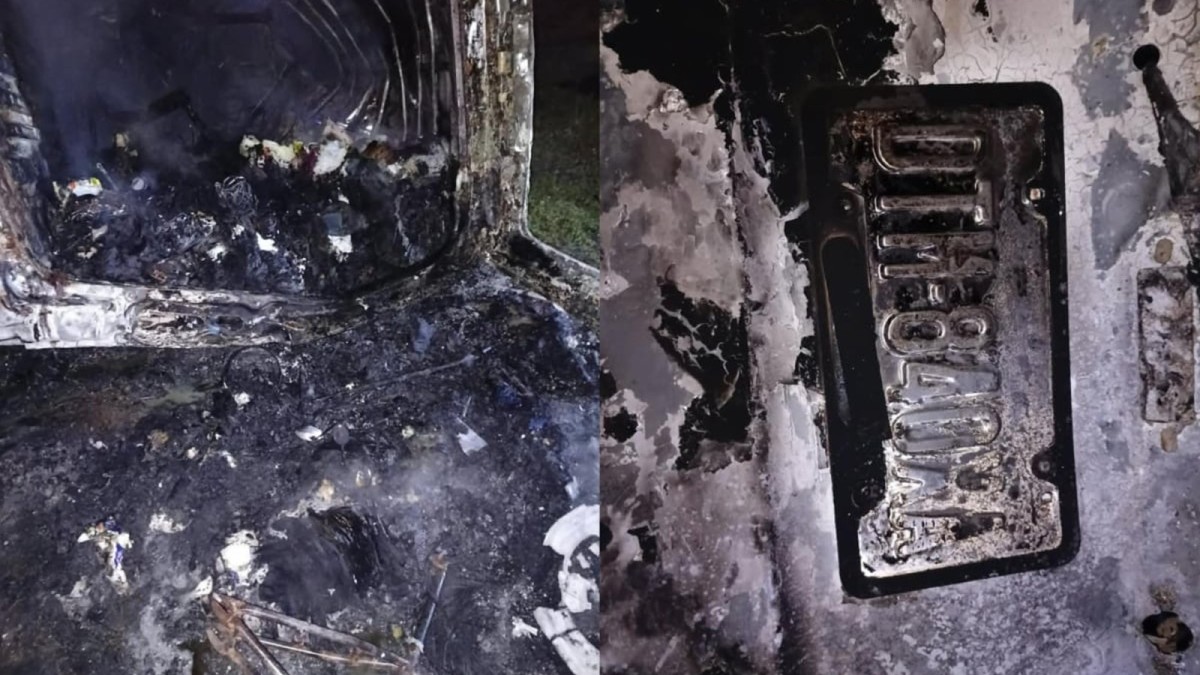
On a quiet Sunday evening in Kwara State, a tragic accident on the Oko‑Olowo highway claimed a single life and left several others injured. The crash, which unfolded at the Iye‑Maja junction at approximately 18:35, involved a commercial bus bearing the registration number DTH840SA. According to the State Fire Service, the vehicle, carrying 21 passengers, lost control after a tyre burst, somersaulted and subsequently caught fire. While the swift response of firefighters helped evacuate the passengers and transport the injured to medical facilities, the incident underscored persistent challenges in road safety across Nigeria.
Details of the crash at Iye‑Maja junction
The incident began when the bus, en route on the Oko‑Olowo highway, suffered a tyre bust. The sudden loss of tyre integrity caused the driver to lose control, leading the vehicle to roll over and ignite. Spokesman for the Kwara State Fire Service, Hassan Adekunle, confirmed that emergency crews arrived promptly, initiating rescue operations without delay.
“The passengers were evacuated from the vehicle, with those who sustained injuries taken to the hospital for medical attention,” Adekunle said. Despite these efforts, one passenger was confirmed dead at the scene. The fire service extended its condolences to the bereaved family and wished a speedy recovery to the injured.
Official response and safety warnings
Chief Fire Officer Alabi Muhammed addressed the tragedy, urging commercial vehicle operators to prioritize vehicle maintenance. He highlighted that regular inspection of tyres, braking systems, electrical components and other critical parts can detect faults before they culminate in dangerous emergencies. Alabi’s remarks reflect a broader call for stricter adherence to road safety protocols among transport operators.
“Early detection of faults could help prevent serious road emergencies,” Alabi emphasized. He also appealed to all motorists to exercise caution on highways and to report emergencies promptly to the appropriate response agencies, reinforcing the role of the public in supporting emergency services.
Road safety context in Nigeria
Road accidents remain a leading cause of injury and death in Nigeria, with commercial transport vehicles often at the centre of high‑risk incidents. While national statistics fluctuate, it is widely acknowledged that tyre failures, brake malfunctions and overloading contribute significantly to crash rates. The Kwara incident mirrors a pattern seen in other states where inadequate vehicle maintenance precipitates loss of control, especially on busy inter‑state highways.
Efforts by the Federal Road Safety Corps (FRSC) and state agencies to enforce regular vehicle inspections have been ongoing, yet challenges persist. Limited resources, uneven enforcement, and the high cost of maintenance for commercial operators often undermine compliance. The tragic loss at Iye‑Maja therefore serves as a stark reminder of the human cost when preventive measures fall short.
Impact on the local community
The Oko‑Olowo highway is a vital artery linking Ilorin to surrounding towns, facilitating commerce, education and health‑seeking journeys. For residents of Ilorin and neighbouring communities, the crash disrupted daily life and raised concerns about the safety of a route that many rely upon for livelihood. Families of the injured and the deceased now face not only emotional trauma but also potential financial strain due to medical expenses and loss of income.
Local leaders and community groups have called for immediate action, urging the state government to intensify vehicle inspection regimes and to provide support for victims of road accidents. Such grassroots pressure often catalises policy reviews, prompting authorities to allocate more resources toward road safety campaigns and emergency response capacity.
Fire service’s role and capacity
The Kwara State Fire Service’s rapid deployment to the crash scene illustrates the growing professionalism of emergency responders in Nigeria. Firefighter teams, equipped with basic rescue tools and trained in vehicle extrication, were able to evacuate passengers and control the blaze before it engulfed the entire bus. Their prompt action likely prevented a higher casualty count.
Chief Fire Officer Alabi’s commendation of his crews underscores the importance of continuous training and resource allocation for fire services. As road accidents often involve fires, the ability of fire personnel to manage such incidents is a critical component of the broader emergency response ecosystem.
Policy implications and recommendations
The Iye‑Maja crash highlights several policy gaps that merit attention. First, mandatory pre‑journey tyre inspections for commercial buses could be institutionalised, with penalties for non‑compliance. Second, the establishment of a real‑time reporting platform for road emergencies would enable faster dispatch of fire and medical services, reducing response times further.
Third, incentivising regular vehicle maintenance through subsidies or tax breaks for commercial operators could alleviate the financial burden that often leads to deferred repairs. Finally, public awareness campaigns—leveraging radio, television and social media—should stress the dangers of tyre failures and the importance of reporting road hazards promptly.
Looking ahead: strengthening road safety culture
While the loss of a single life is a profound tragedy, it also offers an opportunity for collective reflection. Nigeria’s road safety culture must evolve from reactive measures to proactive prevention. This shift requires collaboration among government agencies, transport unions, vehicle manufacturers and the travelling public.
By integrating stricter maintenance standards, enhancing emergency response capabilities, and fostering a community ethos of vigilance, the frequency of such preventable accidents can be reduced. As the nation continues to develop its transport infrastructure, the lessons from Kwara’s Oko‑Olowo highway should inform a more resilient and safer road network for all Nigerians.
This article was produced with AI-assisted research and editorial support. Reporting is based on the source material cited below. Sources: Daily Post Nigeria; dailypost.ng; Global1.News (05 October 2026).
By Sarah Okafor, Staff Writer
What's Your Reaction?
 Like
0
Like
0
 Dislike
0
Dislike
0
 Love
0
Love
0
 Funny
0
Funny
0
 Wow
0
Wow
0
 Sad
0
Sad
0
 Angry
0
Angry
0

Africa Correspondent at Global1.News. Based in Lagos, covering politics, business, technology, and culture across the continent. Focused on telling African stories beyond the headlines — the innovation, entrepreneurs, and communities shaping the region's future.














Comments (0)