
Haryana Assures 1,000 Cusecs Of Water To Delhi As Yamuna Levels Fall
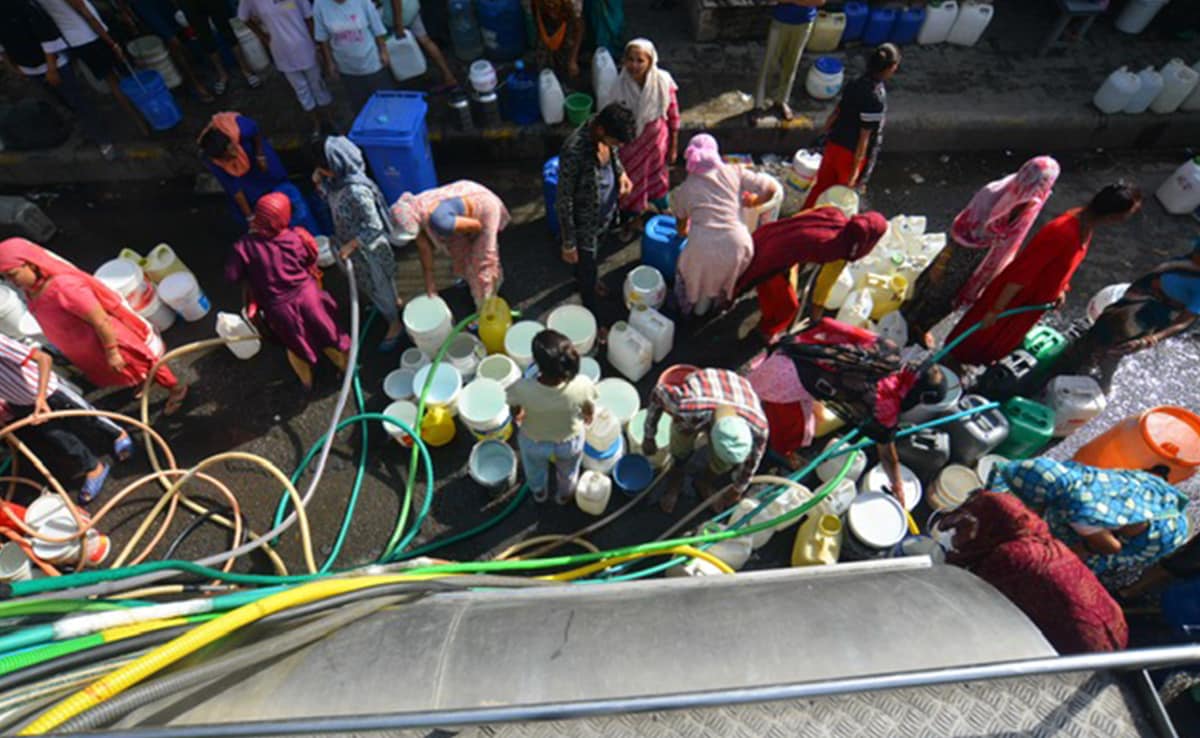
Delhi is facing renewed pressure on its water supply as levels in the Yamuna continue to drop, prompting Haryana to assure an additional 1,000 cusecs to help stabilize inflows. The assurance comes at a time when earlier releases of extra water from upstream have not yet resolved disruptions and low pressure affecting multiple areas of the capital. Residents and local authorities are watching closely because the river remains the primary source for a large share of Delhi’s treated water, and any sustained shortfall quickly translates into daily hardships for households and essential services.
Details of the Latest Assurance
Haryana has committed to releasing 1,000 cusecs to support Delhi’s requirements while Yamuna flows remain reduced. This step follows previous additional releases that were intended to ease shortages but have not fully restored normal supply across the city. Officials note that the new volume is meant to address the immediate gap created by falling river levels, though the exact timing and consistency of delivery will determine how quickly pressure returns to affected zones. The situation underscores the tight linkage between upstream flow decisions and downstream availability. Even modest changes in cusecs can influence the amount of raw water reaching treatment plants that serve large parts of Delhi. Because the river stage has been declining, the latest assurance is viewed as a short-term measure to prevent further deterioration in supply reliability.Persistent Supply Disruptions in Delhi
Despite the earlier release of additional water, several parts of Delhi continue to experience interruptions and reduced pressure. These ongoing problems indicate that the volume added previously has not been sufficient to overcome the combined effects of lower river levels and distribution constraints within the city network. Areas dependent on gravity-fed or low-pressure zones appear most affected, leaving households to manage with limited or timed supply. The continuation of these issues highlights the difference between water released at the state boundary and water actually reaching end users. Losses during conveyance, varying demand patterns, and the time required for the system to rebalance all play a role. As a result, the new assurance of 1,000 cusecs is being monitored to see whether it can produce measurable improvement beyond what earlier measures achieved.Why Falling Yamuna Levels Matter
The Yamuna serves as a critical lifeline for Delhi’s water supply, and any sustained drop in its level directly reduces the raw water available for treatment. Lower stages can limit intake at key points, forcing treatment plants to operate below capacity or triggering restrictions on distribution. When this occurs during periods of high demand, the effects spread quickly through the urban area. Seasonal variation in river flow is normal, yet the current decline has arrived alongside existing stresses on the overall system. Interstate coordination therefore becomes essential, because Delhi relies on releases decided upstream. The assurance from Haryana reflects this interdependence and the need to adjust volumes in response to real-time river conditions.Interstate Coordination and Supply Reliability
Water sharing between states along the Yamuna requires ongoing communication to match releases with actual downstream needs. The latest commitment of 1,000 cusecs represents one such adjustment, aimed at stabilizing inflows while levels remain low. Past experience shows that even agreed volumes can take time to translate into steady pressure at consumer taps, especially when river conditions continue to change. Reliability also depends on how effectively the additional water is integrated into Delhi’s distribution network. Operators must balance the new inflow against existing storage, treatment schedules, and localized demand. Any mismatch can leave pockets of the city still facing shortfalls even after upstream releases increase.Looking Ahead
Authorities will track whether the 1,000 cusecs commitment produces a noticeable recovery in supply volumes and pressure over the coming days. Continued monitoring of Yamuna levels will guide further decisions on releases. Residents in affected areas are likely to see only gradual improvement until both river flow and internal distribution stabilize. The episode illustrates the narrow margin within which Delhi’s water system operates when river conditions shift. Future management will hinge on timely interstate adjustments and efficient use of whatever volume reaches the city’s treatment infrastructure.By Dr. Raj Patel, Staff Writer
This article was produced with AI-assisted research and editorial support. Reporting is based on sources cited in the article.
What's Your Reaction?
 Like
0
Like
0
 Dislike
0
Dislike
0
 Love
0
Love
0
 Funny
0
Funny
0
 Wow
0
Wow
0
 Sad
0
Sad
0
 Angry
0
Angry
0

Dr. Raj Patel
India/South Asia Correspondent at Global1.News. Analytical voice with a background in science and health journalism. Based in New Delhi, covering Indian politics, education, healthcare, technology, and policy. Breaks down complex data into clear, actionable reporting.














Comments (0)