
FSSAI vs Dabur: '100% Pure' Claims Trigger Delhi HC Battle
FSSAI has barred Dabur India from selling products carrying '100% Pure', '100% Natural' and '100% Organic' claims, citing ambiguous and unverifiable labelling under the Advertising and Claims Regulations 2018. The Delhi High Court has stayed the order; the next hearing is August 24.
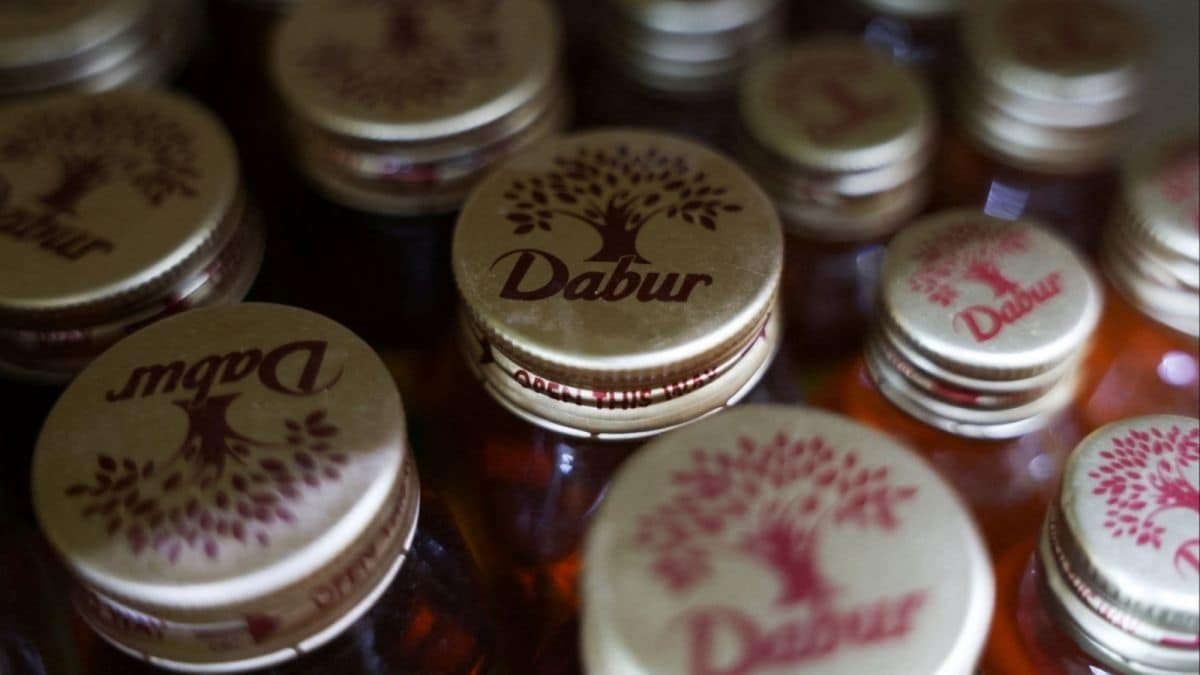
The Food Safety and Standards Authority of India (FSSAI) has put the country's largest natural products FMCG player, Dabur India Ltd, on notice over "100% Pure" and "100% Natural" claims on honey, coconut water, and cooking oils, triggering a legal battle that reached the Delhi High Court. The regulator's August 3 prohibition order, which demanded a halt to sales of products carrying what it called "ambiguous, unverifiable and likely to mislead" claims, has been temporarily stayed by the court, but the dispute raises fundamental questions about how India polices food advertising in a market where "pure" is a multi-crore selling point. This India Today video report breaks down the order, the company's defence, and what it means for the ₹150 crore worth of inventory Dabur says is at stake.
FSSAI vs Dabur: The "100% Pure" Label Battle That Could Reshape India's FMCG Advertising Rules
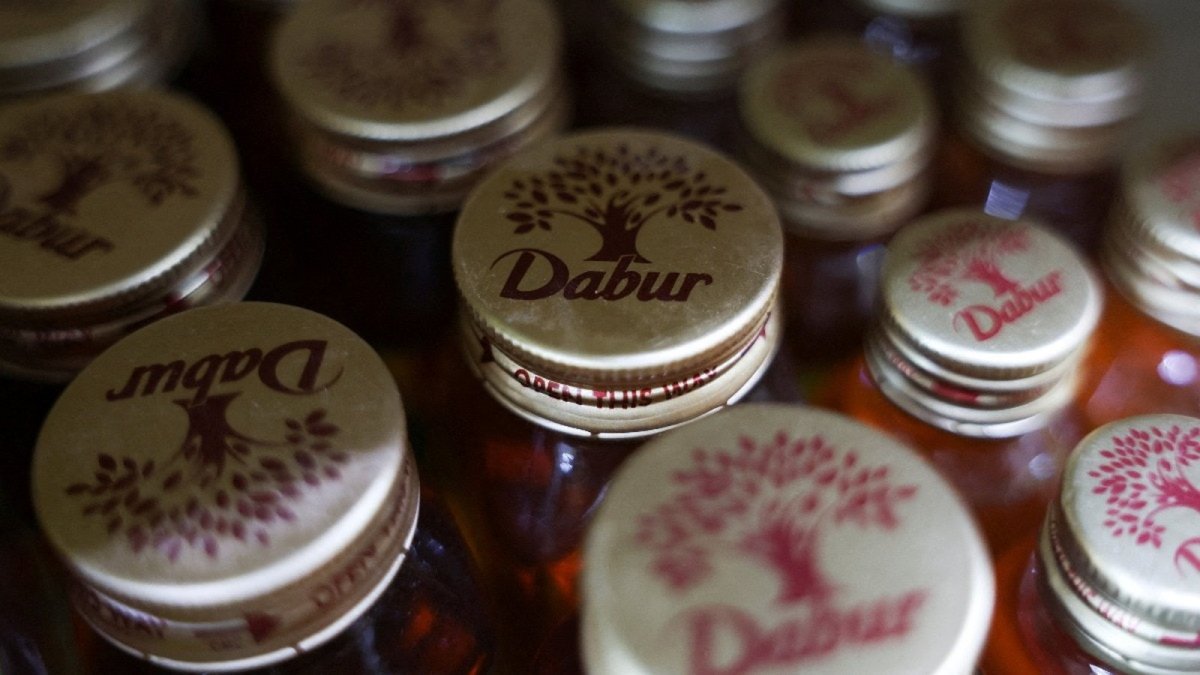
New Delhi, August 18, 2026 — The FSSAI's prohibition order against Dabur India Ltd, issued on August 3, 2026, is not a routine compliance notice. It is a direct challenge to a marketing lexicon that has defined India's natural products segment for decades. The regulator has flagged claims including "100% Natural", "100% Pure", "100% Purity Guaranteed", "100% Organic", and "100% Tender Coconut Water" across a product range spanning honey, apple cider vinegar, virgin coconut oil, sesame oil, cow ghee, coconut water, and coconut milk sold on the company's website. The legal basis cited is the FSS (Advertising & Claims) Regulations, 2018, which prohibit claims that are ambiguous, unverifiable, or likely to mislead consumers. The order also alleges specific regulatory contraventions: Dabur Himalayan Organic Apple Cider Vinegar and Dabur Organic Honey displayed the "Jaivik Bharat" organic logo without a valid FSSAI organic endorsement, a violation of the FSS (Organic Foods) Regulations, 2017. Furthermore, Dabur Hommade Coconut Milk, a compound food, carried a "100% Purity" claim that the regulator states is not permissible for such products under the 2018 Advertising and Claims Regulations.
The Regulatory Escalation: From Notice to Prohibition
This prohibition order was not a first strike. The FSSAI had previously issued an earlier notice directing Dabur to discontinue the "100%" claims. According to the regulator, no satisfactory corrective action was taken, prompting the August 3 order that directed the immediate prohibition of sale for the identified products and any other products carrying misleading "100%" claims. The company was given 15 days to submit an Action Taken Report (ATR). The FSSAI, which operates under the Ministry of Health and Family Welfare, publicised the order on its official X handle (@fssaiindia) on August 3, signalling a new, more transparent approach to enforcement. The specific products named in the order include Dabur Honey, Dabur Honey Squeezy, Dabur Sunderbans Honey, Dabur Himalayan Apple Cider Vinegar, Dabur Virgin Coconut Oil, Dabur Cow Ghee, Real Activ 100% Tender Coconut Water, Dabur Hommade Coconut Milk, and Dabur Organic Honey.
The market reaction was immediate. Dabur's shares fell approximately 4% to ₹408.25 on the BSE on August 4, according to The Hindu, with other outlets pegging the decline between 2.42% and 3%. The company, in its initial exchange filing, stated that its product labels comply with the prevailing legal and regulatory framework and are consistent with long-standing industry practices. However, in a statement to The Week on August 4, Dabur acknowledged receiving the notice and said it was reviewing the content flagged on its website, notably not contesting the findings in its initial public response.
Delhi High Court Intervention: A Stay on Procedural Grounds
The legal battle shifted to the Delhi High Court, where Justice Amit Mahajan on August 7 granted interim relief to Dabur, staying the operation of the FSSAI prohibitory order until further proceedings. The court issued notices to the Centre, the FSSAI, and other respondents, scheduling the next detailed hearing for August 24, 2026, after the FSSAI and the Union Ministry of Health and Family Welfare file their counter-affidavits. Dabur's arguments, presented by advocate Sandeep Sethi, centred on procedural due process. The company contended that the FSSAI acted without issuing a show-cause notice, an improvement notice, or providing any opportunity to explain or defend before the prohibitory order was passed. This, Dabur argued, violates the framework of the FSS (Advertising and Claims) Regulations, 2018, which require the regulator to first seek clarification from the food business operator and consider the response before taking drastic action.
Dabur further argued that Section 18 of the FSS Act, 2006, which lays down guiding principles, does not independently empower a Designated Officer to prohibit sale. The company also pointed out that the order does not explain how "100% Pure" or "100% Natural" violate the regulations, merely stating that the claims "appear to be misleading" without specific findings. Critically, Dabur argued that such claims cannot automatically be treated as misleading, particularly for single-ingredient products or products made entirely of natural ingredients. The company emphasised that there is no allegation that the products are adulterated, unsafe, spurious, or sub-standard — the dispute is limited to labelling and advertising wording.
The ₹150 Crore Question: Commercial Impact and Market Position
The commercial stakes are substantial. Dabur told the Delhi High Court that it would be forced to withdraw, repackage, or destroy products worth ₹150 crore if the FSSAI order stands. This figure underscores the scale of the company's natural products portfolio and the potential disruption to its supply chain, including channel partners and online retailers who were advised not to sell the affected products. The timing is particularly sensitive. In its Q1 FY27 earnings call on July 29, 2026, Dabur reported that its honey portfolio posted strong high single-digit growth, with a market share gain of approximately 150 basis points. Honey is a flagship category for the company, and any disruption to its marketing or sale could impact this growth trajectory.
Dabur also raised a pointed argument about being singled out. The company noted that "the expression '100 per cent' is being used in one way or the other, across several categories of food products by many other major players; however, the Petitioner has been singled out." This claim of selective enforcement, if substantiated, could have significant implications for the FSSAI's broader crackdown strategy and its consistency in applying regulations across the FMCG sector.
Context: The FSSAI's 2026 Enforcement Wave
The Dabur order is part of a broader, more aggressive enforcement posture by the FSSAI in 2026. Just a day earlier, on August 2, the regulator restricted the sale of select whisky and rum variants, including Old Monk (The Legend, Gold Reserve, XXX Matured Rum), Royal Challenge, Antiquity Blue, and Bagpiper, over flavouring violations. The issue there was manufacturers adding flavours that replicate the drink's own profile — rum flavour to rum, whisky flavour to whisky — instead of relying on standard ageing processes, a practice not permitted under FSS (Alcoholic Beverages) Regulations, 2018. The regulator also found the Old Monk XXX "7 years old blended" claim misleading, as the major ingredient is neutral (unmatured/unaged) spirit, with matured rum spirit comprising less than 5% of the blend. Under the regulations, age claims must be based on the youngest spirit in the blend.
These actions involve major players: United Spirits (Diageo-owned), INBREW Beverages, and Associated Alcohol & Breweries of Madhya Pradesh. United Spirits has already moved the Bombay High Court against the order restricting one of its rum products. The FSSAI's use of social media to publicise enforcement actions against food business operators and e-commerce platforms marks a significant shift in regulatory communication, putting alcoholic beverage makers and energy drink manufacturers on notice. An earlier notice on July 10, 2026, had flagged alleged violations without naming companies, suggesting a phased approach to enforcement.
Analysis: What This Means for Indian Consumers and the FMCG Sector
For Indian consumers, this dispute is about the credibility of "pure" and "natural" claims that have become ubiquitous in the marketplace. The FSSAI's position, grounded in the Advertising and Claims Regulations of 2018, is that such absolute claims are inherently ambiguous and unverifiable. For a single-ingredient product like honey, one could argue that "100% Pure" is a factual statement. But the regulator's concern extends to compound foods and products where the claim may obscure the presence of additives or processing aids. The "Jaivik Bharat" logo violation is particularly significant, as it touches on the integrity of India's organic certification system, which is designed to give consumers confidence in organic claims.
For the FMCG sector, the order signals that the FSSAI is willing to move beyond advisory notices to prohibitory action. The fact that Dabur, a company with a strong reputation for natural products, is the target suggests that no player is too big to be scrutinised. The company's argument that it is being singled out, while others use similar claims, raises questions about the FSSAI's enforcement priorities and whether a more systematic review of industry-wide labelling practices is needed. The Delhi High Court's decision to stay the order, pending a detailed hearing, provides temporary relief but also sets the stage for a substantive legal examination of the FSSAI's powers under Section 18 of the FSS Act and the procedural requirements of the 2018 regulations.
The Bottom Line
The August 24 hearing at the Delhi High Court will be pivotal. If the court upholds the FSSAI's order, Dabur will face a significant operational and financial burden, potentially setting a precedent that forces the entire FMCG industry to re-evaluate its use of "100%" claims. If the court rules in Dabur's favour on procedural grounds, it could compel the FSSAI to adopt a more consultative approach before issuing prohibitory orders. For Indian consumers, the outcome will determine whether "100% Pure" on a label is a marketing slogan or a verifiable regulatory promise. The FSSAI's broader crackdown, including the action against alcoholic beverage makers, indicates a regulator determined to assert its authority. The question now is whether the courts will support this assertive posture or rein it in on procedural grounds. Either way, the era of unexamined "100%" claims in Indian food advertising appears to be ending.
This article was produced with AI-assisted research and editorial support. Sources: India Today, Business Standard, The Hindu, The Week, Hindustan Times, Reuters.
— By Dr. Raj Patel, Staff Writer
What's Your Reaction?
 Like
0
Like
0
 Dislike
0
Dislike
0
 Love
0
Love
0
 Funny
0
Funny
0
 Wow
0
Wow
0
 Sad
0
Sad
0
 Angry
0
Angry
0

India/South Asia Correspondent at Global1.News. Analytical voice with a background in science and health journalism. Based in New Delhi, covering Indian politics, education, healthcare, technology, and policy. Breaks down complex data into clear, actionable reporting.















Comments (0)