
CDC opens state ordering for COVID-19 vaccines after unexplained delay
After a nearly month‑long holdup, the CDC finally opened the floodgates for states to order the 2026‑2027 COVID‑19 vaccine through the federally funded Vaccines for Children (VFC) program.
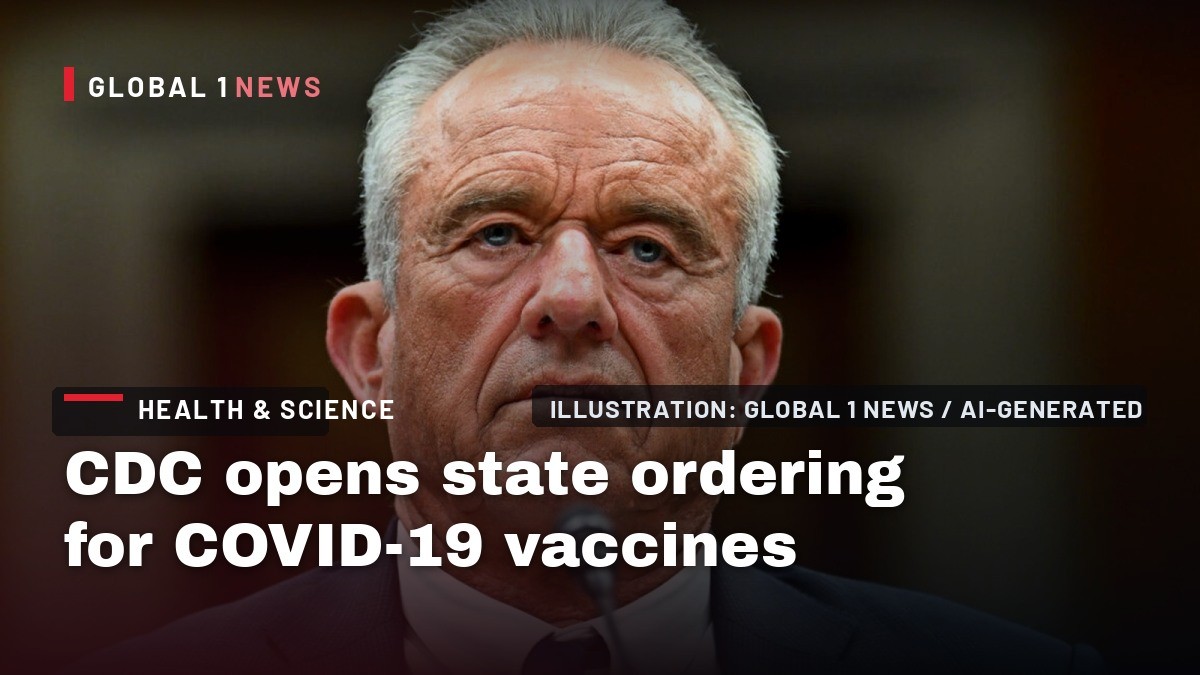
After a nearly month‑long holdup, the CDC finally opened the floodgates for states to order the 2026‑2027 COVID‑19 vaccine through the federally funded Vaccines for Children (VFC) program. The delay, which unfolded despite the Food and Drug Administration’s approval of the shots in late August, has raised fresh concerns about political interference in public‑health decision‑making, especially given the outspoken anti‑vaccine stance of Health Secretary Robert F. Kennedy Jr.
What the delay looked like
Ars Technica first reported that the CDC had not yet opened ordering for the new COVID‑19 vaccine, even though the FDA had green‑lit the product weeks earlier. The Department of Health and Human Services (HHS) told the outlet that “CDC has not yet finalized procurement decisions,” implying that the agency was still working out the logistics of purchase and distribution.
That explanation was thin. The Washington Post later confirmed that ordering was finally opening, but an unnamed source said the hold stemmed from a lag in finalizing the CDC’s clinical guidance—a document meant for health‑care professionals and public‑health officials. The guidance, the source added, required review by an external expert before it could be released.
Political pressure behind the scenes
The same Post reporting noted that CDC career officials had already completed the preparatory work. All that remained, according to sources, was a simple administrative step—“essentially push a button”—that Trump administration officials could have taken at any time. Minnesota’s health department echoed that sentiment, saying the state was told it could not move forward until “CDC leadership approval is needed before distribution of the vaccine can begin.”
HHS, when pressed by Ars Technica on Thursday, declined to explain the cause of the delay or how it was resolved, merely confirming that ordering is now open. The silence fuels speculation that senior officials, including Secretary Kennedy, may have stalled the process to align the rollout with their anti‑vaccine agenda.
Secretary Kennedy’s long‑standing opposition
Robert F. Kennedy Jr. has a documented history of attacking COVID‑19 vaccines. He has repeatedly labeled them “the deadliest vaccines ever made” and has petitioned the FDA to rescind their approval. Last year, as health secretary, he unilaterally revoked the CDC’s universal recommendation that all children receive the shots.
A federal judge’s March order halted further changes Kennedy and his allies attempted to impose on CDC vaccine guidance. That ruling left the CDC’s recommendations from July 2025 intact, limiting vaccine eligibility to children ages six months through 17 years who are moderately to severely immunocompromised. Healthy children in that bracket were advised to seek vaccination through shared clinical decision‑making with a pharmacist or doctor.
Current CDC guidance amid legal uncertainty
The newly approved CDC clinical guidance includes a brief note stating that, “Because of legal uncertainties and inquiries, the CDC states the recommendations for COVID‑19 vaccination from the July 2025 immunization schedule remain in effect for the 2026‑2027 respiratory illness season.” That language underscores the agency’s cautious stance while legal challenges swirl around the administration’s attempts to rewrite vaccine policy.
In practice, the guidance means the CDC has not expanded eligibility beyond the July 2025 parameters. The agency continues to recommend vaccination for immunocompromised children and leaves the decision for healthier kids to a case‑by‑case discussion with health‑care providers.
Medical societies push for broader coverage
Leading medical groups are not waiting for the CDC’s tentative guidance to catch up. Their recommendations for the current fall season call for all infants aged six months to 23 months to receive the COVID‑19 vaccine, and they advise vaccinating children ages two to 18 who are at higher risk—or who simply want the protection.
This divergence highlights a growing rift between the CDC’s legally constrained position and the broader consensus among pediatric and infectious‑disease experts that wider vaccine coverage is essential to curb the virus’s seasonal impact.
Implications for low‑income families
The VFC program, which provides free immunizations to low‑income children, is a critical safety net. The month‑long delay meant that many state health departments could not secure doses in time to meet the start of the respiratory‑illness season, potentially leaving vulnerable children unprotected.
Now that ordering is open, states must act quickly to distribute the vaccine before the fall surge. The CDC’s guidance, however, still limits eligibility, meaning many children who could benefit from the shot may have to navigate the shared decision‑making process—a hurdle that could delay uptake in communities already facing health‑care access challenges.
What comes next
With the ordering window finally open, the next weeks will test whether the CDC can translate its guidance into a rapid, equitable rollout. The agency’s statement about “responsible stewardship of taxpayer resources” suggests a cautious approach, but the urgency expressed by state health officials indicates pressure to move fast.
Watch for further statements from HHS and the CDC as they finalize procurement details and issue the final clinical guidance. The political backdrop—particularly Secretary Kennedy’s continued opposition—means that any misstep could reignite the debate over federal authority in vaccine policy and the role of political ideology in public‑health emergencies.
This article was produced with AI-assisted research and editorial support. Reporting is based on the source material cited below. Sources: Ars Technica; arstechnica.com; Global1.News (25 September 2026).
By Jessica Ali, Staff Writer
What's Your Reaction?
 Like
0
Like
0
 Dislike
0
Dislike
0
 Love
0
Love
0
 Funny
0
Funny
0
 Wow
0
Wow
0
 Sad
0
Sad
0
 Angry
0
Angry
0

Editor-in-Chief at Global1.News. Atlanta-based journalist who cuts through the BS and tells it like it is. Lead anchor, host, and the voice you hear when the spin stops and the truth starts.














Comments (0)