
Fally Ipupa's Pride at Being Given Major DR Congo Honour — Knight of the National Order of the Leopard
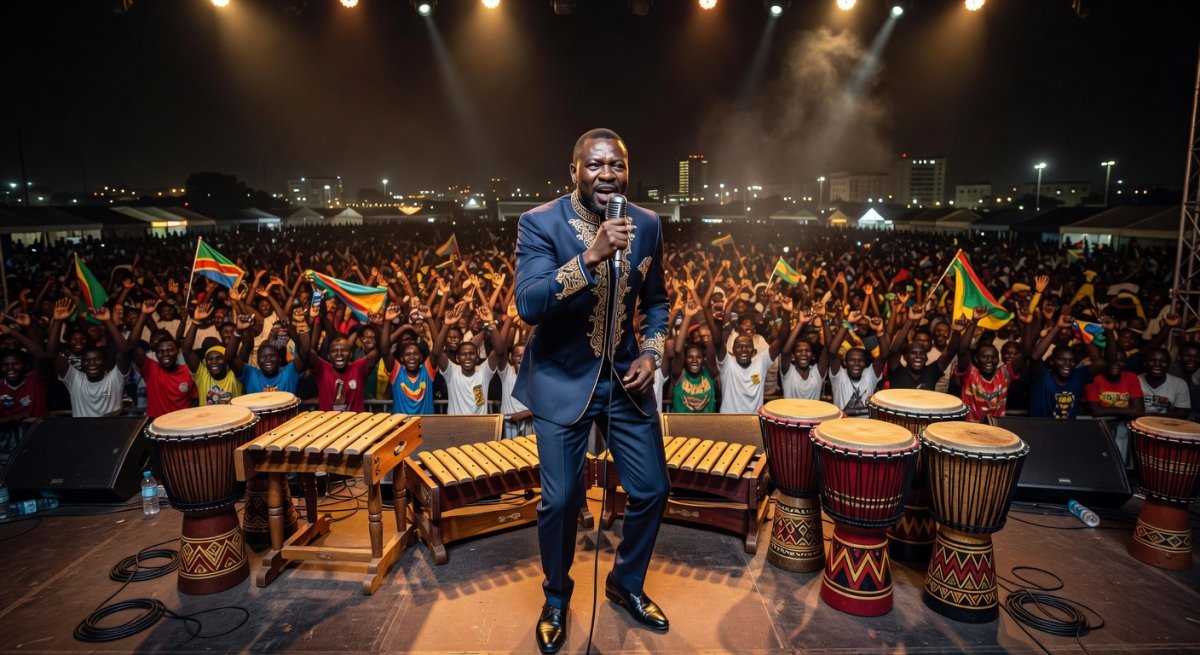
A Moment of Continental Pride From the bustling streets of Dakar, where the rhythms of mbalax echo through markets and family gatherings, news of Fally Ipupa receiving one of the Democratic Republic of Congo's highest honours brings a deep sense of shared joy. The Congolese star's elevation to knight of the National Order of the Leopard resonates far beyond Kinshasa, touching m
A Moment of Continental Pride
From the bustling streets of Dakar, where the rhythms of mbalax echo through markets and family gatherings, news of Fally Ipupa receiving one of the Democratic Republic of Congo's highest honours brings a deep sense of shared joy. The Congolese star's elevation to knight of the National Order of the Leopard resonates far beyond Kinshasa, touching musicians and listeners across Africa who see in his journey the strength of our collective cultural heritage. Rumba, with its graceful melodies and storytelling power, has long travelled from the Congo River basin to the Atlantic shores of Senegal, binding communities through dance and song that celebrate life, love, and resilience.
The Weight of the National Order of the Leopard
The award, presented by the Congolese president to the most esteemed public figures, recognises Fally Ipupa's contributions to promoting Congolese rumba and sharing Congolese culture with audiences worldwide. A government spokeswoman described him on state television as a worthy son of the nation, highlighting how his artistry has carried traditional sounds to new generations. For Senegalese observers, this honour mirrors the way our own griots and modern artists receive national recognition, affirming that music remains a vital thread in African identity and public life.
From Early Collaborations to Global Stages
Fally Ipupa began his path three decades ago alongside fellow Congolese artist Koffi Olomide, moving through group successes with Talent Latent and Quartier Latin International before releasing eight solo albums. His versatility has earned him millions of fans across continents. In his own words after the award, the path has never been his alone but belongs to an entire people. This sentiment echoes the communal spirit found in Senegalese music circles, where success is understood as a reflection of village roots, family support, and ancestral rhythms passed down through generations.
A Landmark Year of International Milestones
This recognition arrives during a demanding period of performances abroad. Fally Ipupa became the first African artist to debut at number one on the French album charts with his record XX. Reports also noted him as the first francophone African artist to sell out Paris's Stade de France, with its 80,000 capacity, across two consecutive days. Later this year he is scheduled for a major show at London's O2 arena. Such accomplishments illustrate how Congolese rumba continues to claim space on world stages, much like Senegalese artists have done with their own global tours, proving that African sounds can fill the largest venues without losing their cultural essence.
Navigating Professional Demands and Personal Setbacks
The promotional schedule across Europe and the United States proved intense enough that Fally Ipupa recently shared with Le Monde that he had lost his voice after numerous television and radio appearances, prompting a doctor to prescribe a week of silence. Four years earlier, tragedy struck during a concert in Kinshasa when at least eleven people died in a crowd crush at a venue that exceeded capacity by a third. These moments remind us that the life of an African music star involves both extraordinary reach and heavy responsibilities toward audiences who gather in great numbers to celebrate their heritage.
Addressing Industry Realities with Openness
Like many musicians navigating piracy and touring challenges, Fally Ipupa has spoken about the local practice of libanga, noting he can earn around EUR 10,000 per mention in his songs. This has at times created tension with fans abroad who previously blocked some concerts over perceived political closeness. Yet he has also served as a Unicef ambassador and engaged in philanthropic work, consistently stating that his primary aim is to unite rather than divide. From a Senegalese viewpoint, such balancing acts reflect the broader realities faced by artists who must sustain careers while remaining connected to the communities that shaped their sound.
Messages of Hope for the Next Generation
Addressing Congolese youth directly, Fally Ipupa emphasised that a starting point does not define destiny and urged them to work, believe, and persevere because the world is ready to hear their voice. This encouragement carries particular weight in a continent where young people in cities from Dakar to Kinshasa look to music as both expression and opportunity. The award itself, he noted, celebrates Congolese music, culture, and identity, a force that unites and elevates beyond borders. Such words reinforce the idea that African artists carry not only personal ambition but the aspirations of many nations.
Rumba's Enduring Place in African Expression
Congolese rumba has influenced rhythms heard in Senegalese dance halls and family celebrations for decades, its melodic lines blending with local traditions to create new hybrids that still honour their origins. Fally Ipupa's recognition affirms this living legacy, showing how one artist's dedication can amplify sounds that have already crossed oceans. In Senegal we understand that cultural achievements like this strengthen the entire continent's voice, reminding listeners everywhere that African music remains a powerful ambassador of our histories, values, and dreams for unity.
By Amara Diop, Staff WriterThis article was produced with AI-assisted research and editorial support. Reporting is based on sources cited in the article.
What's Your Reaction?
 Like
0
Like
0
 Dislike
0
Dislike
0
 Love
0
Love
0
 Funny
0
Funny
0
 Wow
0
Wow
0
 Sad
0
Sad
0
 Angry
0
Angry
0
West Africa/Sahel Correspondent at Global1.News. Dakar-based journalist covering politics, security, climate, and development across Francophone and Anglophone West Africa. Tells the stories of a region undergoing profound transformation.












Comments (0)