
The Ceasefire Is Dead. The Strait Is Shut. And Trump Just Told Iran There's Nothing to Talk About.
The 60-day U.S.-Iran ceasefire memorandum lapsed, with Trump ruling out talks. Iran keeps Hormuz shut, attacks ships, and UAE cuts trade ties. Oil markets brace for escalation, exhaustion, or third-party intervention as the conflict deepens.
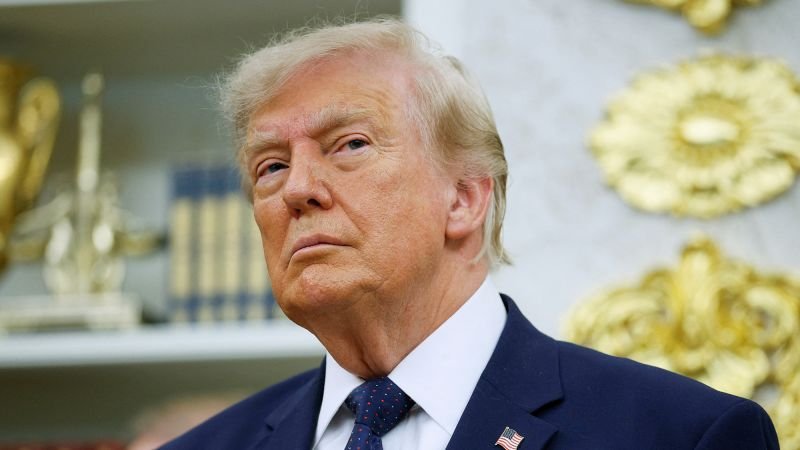
The diplomatic window slammed shut this week, and the sound echoed through oil terminals from Fujairah to Rotterdam. The 60-day memorandum of understanding signed between Washington and Tehran on June 17 lapsed Monday with no extension. By Tuesday afternoon, President Donald Trump took to Truth Social with the bluntest possible verdict: "There are no talks or conversations going on, or scheduled, with the Islamic Republic of Iran."
That statement contradicted the upbeat assessment delivered 24 hours earlier by his own son-in-law and special envoy, Jared Kushner, who said negotiations were still underway and were "probably more robust" than they had ever been. Brent crude settled just over $91 a barrel on Tuesday, a modest gain masking a market bracing for the worst. The conflict that began with joint U.S.-Israeli strikes on February 28 has entered its sixth month, and the standoff over the Strait of Hormuz—through which a fifth of global oil and liquefied natural gas flowed before the war—has hardened into a strategic siege.
Iran's top negotiator, Mohammad Baqer Qalibaf, told parliament the strait would remain shut until the U.S. meets the conditions of the lapsed interim deal: ending the naval blockade of Iranian ports, lifting oil sanctions, releasing Tehran's frozen assets, and terminating military operations on all fronts. Neither Tehran nor the White House is blinking.
The Truth Social Bombshell That Ended the Diplomatic Charade
Trump's Tuesday post was maximalist messaging. "The Naval Blockade remains in full force and effect. The Hormuz Strait is open and operating. All water mines have been removed or detonated," he wrote. The problem? Iran says the strait is shut, and the shipping data backs Tehran up. Preliminary figures showed ship crossings through the Strait of Hormuz were still in single digits on Monday—a catastrophic collapse for a waterway that once moved roughly 20 million barrels of oil per day.
The contradiction between Trump's assertion and on-the-water reality is a market signal. So far, investors are hedging. Brent peaked at $126 a barrel during the conflict, roughly 75% above pre-war levels, and while prices have retreated to the low $90s, the trajectory turns upward whenever diplomatic progress stalls.
Kushner's Monday optimism now looks either naive or calculated—possibly an attempt to talk the market down that failed. A senior Iranian official told Reuters that Tehran is moving to a "fully offensive" military posture due to the diplomatic stalemate. There were no fresh strikes on Tuesday, but the rhetoric has escalated to a point where accidental escalation feels inevitable.
Two Ships Attacked in the Strait as Iran Tightens Its Grip
The United Kingdom Maritime Trade Operations received a report Tuesday that a vessel sailing out through the Strait of Hormuz was struck by an unknown projectile, causing engine room damage and a crew casualty. The Omani Coast Guard was assisting the remaining crew. Iran has not commented. This is the second ship hit in as many days, according to the New York Times, which reported two vessels transiting the strait were attacked as oil prices rose.
These are not random acts of piracy. They are calculated pressure points designed to show Iran controls the waterway, regardless of what Washington claims. The strait has been effectively closed by Iran since fighting began in late February, according to CNN's reporting, and Tehran has repeatedly attacked vessels attempting to transit without its authorization. The message: if the U.S. wants to move oil through Hormuz, it will have to negotiate for the privilege.
The human cost is mounting. Thousands of people have been killed in the conflict, mainly in Iran and Lebanon, and Iran has struck U.S. military bases and infrastructure in countries including Oman, Jordan, Kuwait, Israel, the United Arab Emirates and Saudi Arabia. The shipping attacks add new risk for the commercial vessels, insurers, and crews who sail them.
UAE Detects Iranian Missiles and Cuts All Trade Ties
The United Arab Emirates' Defense Ministry reported detecting two ballistic missiles launched from Iran on Tuesday—the first such incident since a May 4 strike on the Fujairah port. The ministry assessed the missiles were targeting "maritime traffic" and confirmed both fell into the sea. Iran's foreign ministry spokesperson, Esmaeil Baghaei, rejected the comments, calling the UAE's "accusations" "baseless."
But the UAE's response went far beyond a diplomatic protest. The Foreign Ministry suspended all trade activities, exchanges and financial transactions with Iran until further notice, citing regional escalation. Direct cargo shipping between the UAE and Iran had only resumed in late June via Dubai's Jebel Ali Port, after being suspended in early March, just days after the war began. Now that lifeline is severed again.
The UAE is caught in an impossible position: a U.S. ally hosting American military assets, but also a trading hub that historically served as Iran's primary commercial gateway to the world. By suspending all trade with Iran, Abu Dhabi has effectively chosen Washington. The signal to other Gulf states is unmistakable: neutrality is no longer an option.
The June 17 Memorandum That Unraveled in 60 Days
The memorandum of understanding signed on June 17 declared the "immediate and permanent termination of military operations on all fronts" and set a 60-day time frame for a broader deal on Iran's nuclear programme and U.S. sanctions. That period elapsed Monday, and Trump said he has no plans to extend it. The agreement quickly unravelled over a dispute about control of the Strait of Hormuz.
The core issue is simple: Iran wants the strait as a bargaining chip, and the U.S. wants it open at any cost. Qalibaf's conditions for reopening—ending the blockade, lifting sanctions, releasing frozen assets, and halting military operations—are essentially a demand for total capitulation. Trump's response is a demand for total surrender. Neither side is willing to blink.
Even if talks resume, the nuclear question remains unresolved. Among the top U.S. goals is preventing Iran from acquiring a nuclear weapon, but experts say that will be difficult without removing the enriched uranium believed to be buried at sites struck by the U.S. military previously. The June 17 deal did not address the nuclear question.
Iran's Mixed Signals: Open to Dialogue, Ready for War
Mohammad Mokhber, an adviser to Iran's supreme leader, said Tuesday that Tehran remains open to dialogue with the U.S. but does not confuse negotiations with surrender. "Military pressure and sanctions would not break Iran's resolve," Mokhber said, according to the semi-official Fars news agency.
But behind the bravado there is genuine anxiety. According to three Iranian officials, leaders are worried that more economic punishment could increase hardships, reignite unrest, and further erode the Islamic Republic's legitimacy. The regime survived the 2022 protests, but another round of sanctions-induced inflation and unemployment could test its grip on power.
This tension explains Iran's contradictory behavior: threatening a "fully offensive" posture while signaling openness to dialogue, attacking ships while denying responsibility, rejecting the UAE's missile claims while knowing the detection, if real, represents a significant escalation. The regime is projecting strength abroad while managing vulnerability at home.
Oil Markets Brace for a Long, Hot Autumn
Brent crude futures peaked at $126 a barrel during the conflict before settling back to just over $91 on Tuesday. The 75% spike above pre-war levels has already inflicted serious damage on the global economy, and a U.S. administration official reiterated warnings that Washington could go further on hitting Iran's economy following multiple sanctions actions. The threat of additional sanctions is keeping a floor under prices.
Stock markets sagged Tuesday, and borrowing costs for major economies including the U.S. hit multi-decade highs amid concerns about the long-term inflationary and fiscal impact of the crisis. Central banks that thought they had inflation under control are watching energy prices re-accelerate, and the fiscal cost—military spending, sanctions enforcement, and economic disruption—is mounting by the day.
The shipping data tells the real story. Crossings via the Strait of Hormuz are in single digits, down from the hundreds that transited daily before the war. A fifth of global oil and LNG used to flow through this waterway; now, almost nothing moves. There is no substitute for Hormuz at scale—Saudi pipelines, UAE overland routes, and strategic reserves can only do so much—and the world is learning to live with less oil.
What Comes Next: Escalation, Exhaustion, or a Third-Party Intervention?
The diplomatic stalemate leaves three possible paths forward. The first is escalation: Iran makes good on its "fully offensive" threat, the U.S. responds with renewed strikes, and the strait remains closed indefinitely. The second is exhaustion: both sides realize the status quo is unsustainable and return to the table. The third is third-party intervention, with Oman, Qatar, or even China stepping in to broker a compromise.
None of these paths is quick. The 60-day window was always optimistic, and the June 17 memorandum's collapse suggests even a signed agreement is worthless without enforcement. The UAE's trade suspension removes a key pressure valve, and the shipping attacks are making it harder for insurers to underwrite any vessel approaching the strait.
For the Gulf economies, the outlook is grim. The UAE's suspension of trade with Iran will ripple through Dubai's ports, logistics hubs, and financial sector. Oman, which has tried to stay neutral, is now rescuing crews from attacked ships. Trump's statement was definitive, but it was also a gamble: by ruling out talks, he removed the safety valve markets were clinging to. The next few weeks will show whether this is a negotiating tactic or a genuine war footing. Either way, the Strait of Hormuz remains the fulcrum on which the global economy balances—and right now, that fulcrum is on fire.
By Jessica Ali, Staff Writer
This article was produced with AI-assisted research and editorial support. Reporting is based on sources cited in the article.
What's Your Reaction?
 Like
0
Like
0
 Dislike
0
Dislike
0
 Love
0
Love
0
 Funny
0
Funny
0
 Wow
0
Wow
0
 Sad
0
Sad
0
 Angry
0
Angry
0

Editor-in-Chief at Global1.News. Atlanta-based journalist who cuts through the BS and tells it like it is. Lead anchor, host, and the voice you hear when the spin stops and the truth starts.










Comments (0)