
AMLO Accuses US of Intervention to Weaken Morena in Rare Public Statement
AMLO Breaks Long Silence with Direct Accusation In a recent DW News report examining Trump's tariff pause on Mexico and its link to renegotiating the US-Mexico-Canada trade deal, the underlying tensions between Washington and Mexico City come into sharp focus. Former President Andrés Manuel López Obrador this week published a rare public statement through his social media accou
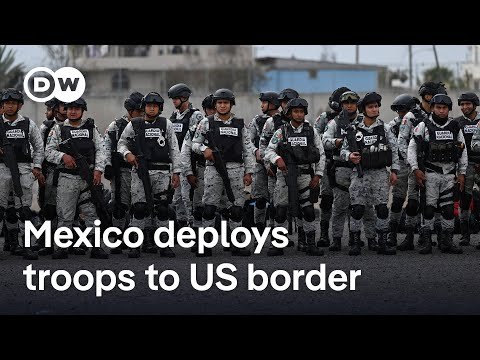
AMLO Breaks Long Silence with Direct Accusation
In a recent DW News report examining Trump's tariff pause on Mexico and its link to renegotiating the US-Mexico-Canada trade deal, the underlying tensions between Washington and Mexico City come into sharp focus. Former President Andrés Manuel López Obrador this week published a rare public statement through his social media accounts and on his personal website, breaking months of silence since leaving office.
The statement carried the title "My unconditional support for President Claudia Sheinbaum Pardo and a Respectful Reflection on President Donald Trump." In it, AMLO accused the U.S. government of using interventionist practices to weaken the ruling Morena party and strengthen Mexico's right-wing opposition.
AMLO urged President Trump to "send to hell the parasites that surround him" and warned about U.S. intervention in Mexican internal affairs. This marks his first major public statement since leaving office in October 2024.
Trade Pressures Form Backdrop to Political Charges
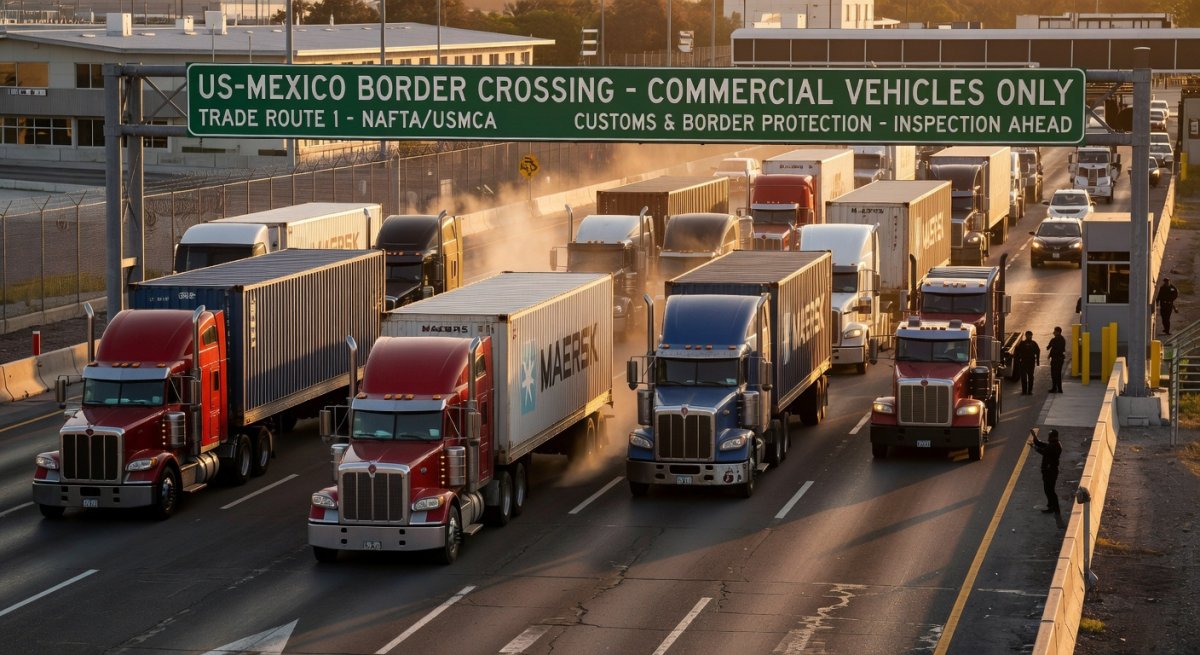
The DW News report on Trump's tariff pause highlights the broader context of economic pressure that forms the backdrop to AMLO's accusations. Mexico sends more than 80 percent of its exports to the United States, making any tariff threat a direct blow to manufacturing centers in Monterrey and the maquiladora corridor stretching along the Tijuana border.
Trump has used tariffs as leverage throughout the renegotiation of the T-MEC trade agreement, with the latest pause seen by analysts as a negotiating tactic rather than a lasting resolution. The European Union and Mexico recently sealed a separate trade deal aimed at reducing Mexico's dependence on the US market, signaling a strategic pivot that AMLO's statement appears to endorse.
Impact on Mexican Families and Communities
The economic uncertainty generated by bilateral tensions hits hardest in Mexico's working-class colonias and rural communities. Remittances from Mexican migrants in the United States reached record levels in 2025 and 2026, providing a lifeline for millions of households in states like Michoacán, Guerrero, and Oaxaca. Any disruption to cross-border economic activity threatens this essential income stream.
The OECD recently cut Mexico's 2026 GDP growth forecast to just 0.8 percent, reflecting the drag from policy uncertainty. Small business owners in Cancún, farmers on ejidos in Yucatán, and maquiladora workers in Ciudad Juárez all report slowing economic activity tied to the uncertain trade environment.
Families in neighborhoods across Guadalajara and Mexico City who depend on public healthcare through IMSS and education funding tied to Morena's social programs fear that political instability could affect federal budget allocations in the year ahead.
Political Reactions Across Mexico
President Claudia Sheinbaum, governing from Palacio Nacional, has not issued a direct reply to her predecessor's statement. However, officials in the Secretaría de Relaciones Exteriores have emphasized that Mexico will defend its sovereignty in all bilateral negotiations.
Members of the Cámara de Diputados from Morena have echoed AMLO's concerns about foreign interference, drawing on historical episodes of US pressure on Mexican electoral outcomes. Opposition parties, including PAN and PRI, have dismissed the intervention claims, arguing that trade and migration disputes with Washington stem from policy differences rather than any organized campaign against Morena.
In the Senado, legislators have called for stronger safeguards against outside influence in Mexico's internal affairs, while the Secretaría de Gobernación has maintained that diplomatic channels remain open and functional.
Historical Context of US-Mexico Relations
AMLO's warning about interventionist practices draws on a long history of US involvement in Mexican political affairs, from the Mexican-American War to 20th-century interventions and contemporary pressures over drug policy and migration. His statement specifically references efforts to bolster right-wing opposition parties, a charge that resonates with voters in states like Tabasco and Chiapas where Morena enjoys strong support.
The Guardia Nacional and SEDENA continue cross-border security cooperation with US agencies, yet political leaders in both chambers of the Congreso de la Unión have called for a reexamination of the terms of that collaboration. The debate now centers on how Sheinbaum's administration will balance the practical realities of economic interdependence with the sovereign principles that AMLO's statement defends.
What to Watch For
AMLO's return to the public stage through this statement could energize Morena's base ahead of future electoral cycles, particularly in Mexico City and among the party's strongholds in southern Mexico. His endorsement carries significant weight within the party's more traditional wing.
The T-MEC review process approaches, and the new EU-Mexico agreement creates additional options for trade diversification. How Sheinbaum's team navigates these competing pressures will define the next phase of Mexico's relationship with its northern neighbor.
For Mexican families watching from their colonias and communities, the stakes are clear: the outcome of these tensions will determine the price of tortillas at the local tortillería, the stability of remittance flows from relatives in the US, and the broader economic security of the nation.
By Rosa Martinez, Staff Writer
This article was produced with AI-assisted research and editorial support. Reporting is based on sources cited in the article.
What's Your Reaction?
 Like
0
Like
0
 Dislike
0
Dislike
0
 Love
0
Love
0
 Funny
0
Funny
0
 Wow
0
Wow
0
 Sad
0
Sad
0
 Angry
0
Angry
0
Latin America/Andes Correspondent at Global1.News. Based in Bogota, covering politics, environment, energy, and social movements across the Andean region. Passionate about environmental journalism and communities protecting their land.










Comments (0)