
America Pulls Back: Retail Spending Tumbles as Tax Refunds Shrink and Fears Mount
The Hard Data on March Retail Sales The Commerce Department reported Friday that retail sales dropped 1 percent in March from February. That beat the consensus forecast of a 0.4 percent decline and followed a revised 0.2 percent drop the month before. Sales are adjusted for seasonal patterns but not for inflation, so the figure already shows real pullback in what consumers actu
The Hard Data on March Retail Sales
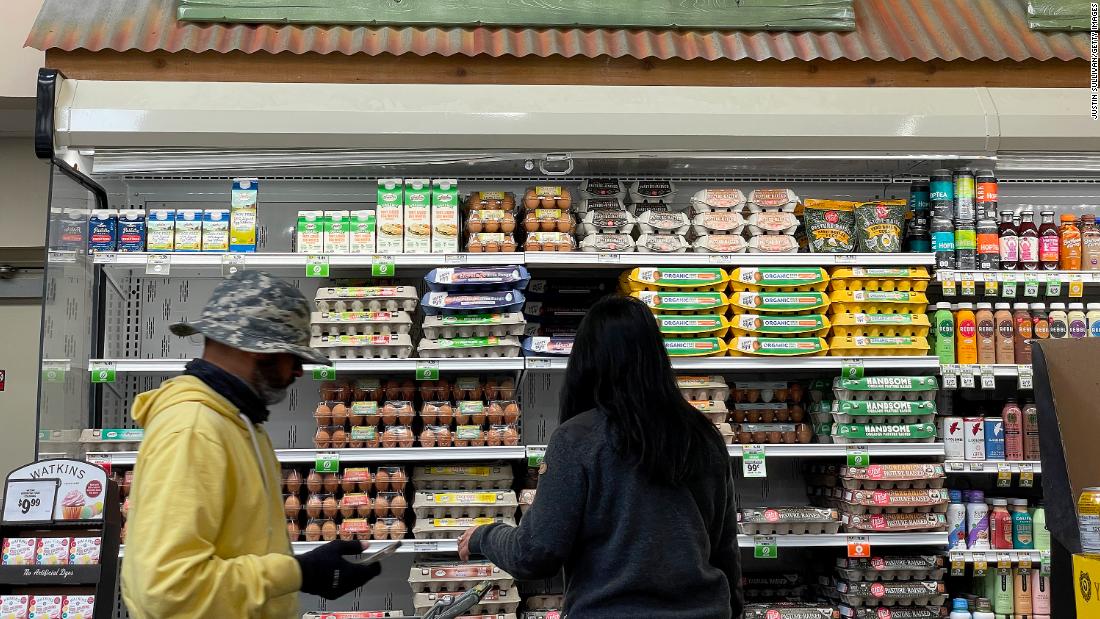
The Commerce Department reported Friday that retail sales dropped 1 percent in March from February. That beat the consensus forecast of a 0.4 percent decline and followed a revised 0.2 percent drop the month before. Sales are adjusted for seasonal patterns but not for inflation, so the figure already shows real pullback in what consumers actually put on the counter or swiped at the pump.
General merchandise stores saw spending fall 3 percent month over month. Gas stations posted an even steeper 5.5 percent decline. Strip out gas stations and the drop was still 0.6 percent. Year-over-year sales managed a 2.9 percent gain, but that comparison looks less impressive once you remember inflation was still running hot at the time.
Smaller Tax Refunds and Expired Benefits Hit Households
The IRS sent out $84 billion in refunds during March, roughly $25 billion less than the same month a year earlier. Bank of America analysts directly tied that shortfall to weaker spending at department stores and on big-ticket durable goods such as appliances and furniture. When refund checks shrink, households that count on the annual windfall feel it immediately in their checking accounts.
At the same time, enhanced pandemic-era SNAP benefits expired in February. Those extra dollars had been supporting grocery and general spending for millions of families. Their disappearance removed another buffer just as pay growth began to slow. Average hourly earnings rose 4.2 percent year over year in March, down from 4.6 percent the prior month and the smallest annual increase since June 2021.
Credit and Debit Card Data Confirm the Slowdown
Bank of America researchers tracking household card spending found the pace of outlays moderated in March to the slowest rate in more than two years. The combination of smaller refunds, lapsed food assistance, and cooling wage growth produced a clear result: consumers spent less even on everyday items. This is not abstract macroeconomic noise; it shows up at the register when families decide the new couch or extra groceries can wait.
Labor Market Still Adds Jobs but Loses Steam
Employers added 236,000 jobs in March, a solid figure by historical standards yet below the average monthly pace of the prior six months. The JOLTS report showed job openings remained elevated in February but had already fallen more than 17 percent from the March 2022 peak of 12 million. A labor market that is cooling rather than collapsing still supports incomes, yet the direction of travel is unmistakable.
That cooling matters because consumer spending relies on steady paychecks and the confidence those paychecks will continue. When job openings shrink and wage growth eases, households naturally become more cautious even before any recession officially arrives.
Consumer Sentiment Reflects Growing Caution
The University of Michigan’s consumer sentiment index worsened slightly in March amid the regional bank failures. It held steady in April, but year-ahead inflation expectations jumped a full percentage point to 4.6 percent, partly because of higher gas prices. Joanne Hsu, director of the surveys, noted that consumers are “expecting a downturn” and “waiting for the other shoe to drop.” That framing captures the mood better than any headline number.
Federal Reserve officials already project the economy will enter recession later in the year as the lagged effects of higher interest rates bite harder. The March spending drop is an early signal that those effects are reaching Main Street.
What the Numbers Mean for Everyday Americans
Retail sales are not an abstract statistic. They track whether families buy new clothes, replace a broken appliance, or fill the car without thinking twice about the price. When those purchases slow, the ripple reaches store clerks, warehouse workers, truck drivers, and manufacturers. The 1 percent March decline translates into thinner margins for retailers already facing higher costs and into fewer hours or hiring freezes for the people who stock the shelves.
Smaller tax refunds and the end of extra food assistance removed two temporary supports that had masked underlying pressure on household budgets. With inflation still eroding purchasing power and wage gains moderating, many Americans are simply choosing to save or pay down debt rather than spend. That rational response looks like economic weakness on the aggregate chart.
The Path Ahead and Policy Reality
Economists at the Federal Reserve expect the lagged impact of rate hikes to deepen through the rest of the year. The banking-sector stress that surfaced in March added another layer of uncertainty. Unless labor-market momentum rebounds sharply—an outcome that looks unlikely given the JOLTS trend—consumer spending will likely remain soft. That softness feeds directly into slower economic growth and raises the odds that the predicted recession materializes on schedule.
Policy makers face a narrow window. Further rate increases risk amplifying the slowdown already visible in retail data, while pausing too soon could allow inflation expectations to become entrenched. The March numbers show households are already adjusting their behavior. Ignoring that adjustment in favor of optimistic forecasts would be a mistake.
By Jessica Ali, Staff WriterThis article was produced with AI-assisted research and editorial support. Reporting is based on sources cited in the article.
What's Your Reaction?
 Like
0
Like
0
 Dislike
0
Dislike
0
 Love
0
Love
0
 Funny
0
Funny
0
 Wow
0
Wow
0
 Sad
0
Sad
0
 Angry
0
Angry
0

Editor-in-Chief at Global1.News. Atlanta-based journalist who cuts through the BS and tells it like it is. Lead anchor, host, and the voice you hear when the spin stops and the truth starts.














Comments (0)