
ICJ Verdict Declares Myanmar Guilty of Rohingya Genocide, Global Ripple Effects
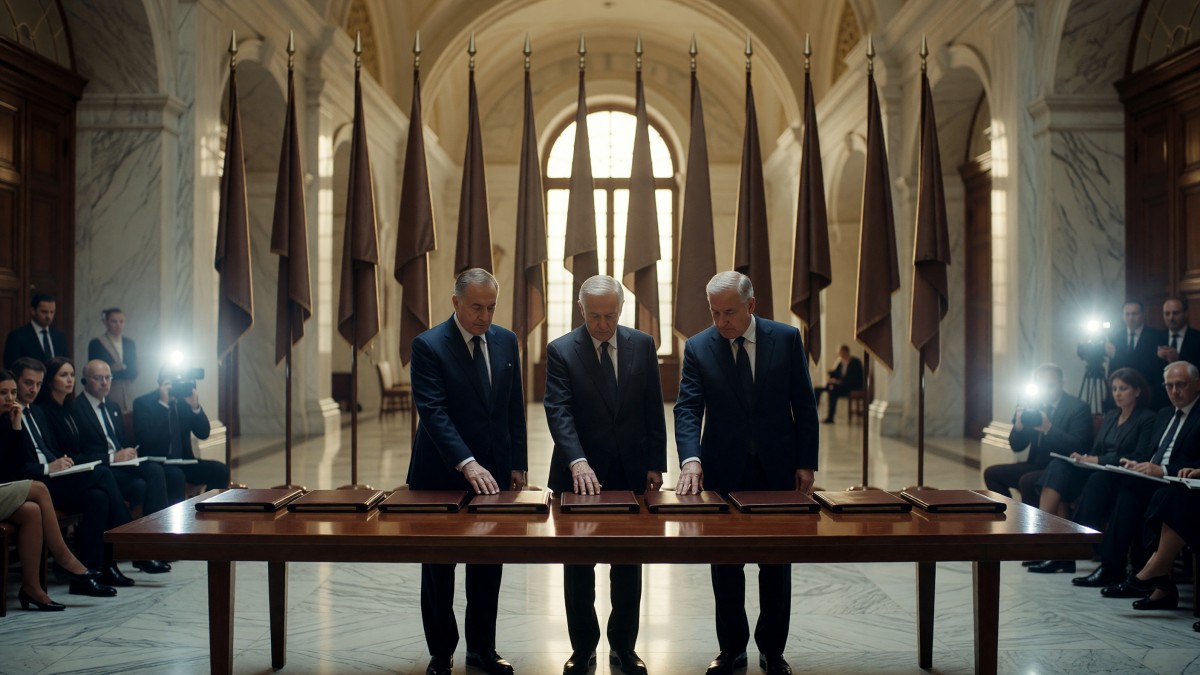
The International Court of Justice delivered a landmark ruling on 20 November 2026, declaring that Myanmar has committed genocide against its Muslim Rohingya minority.
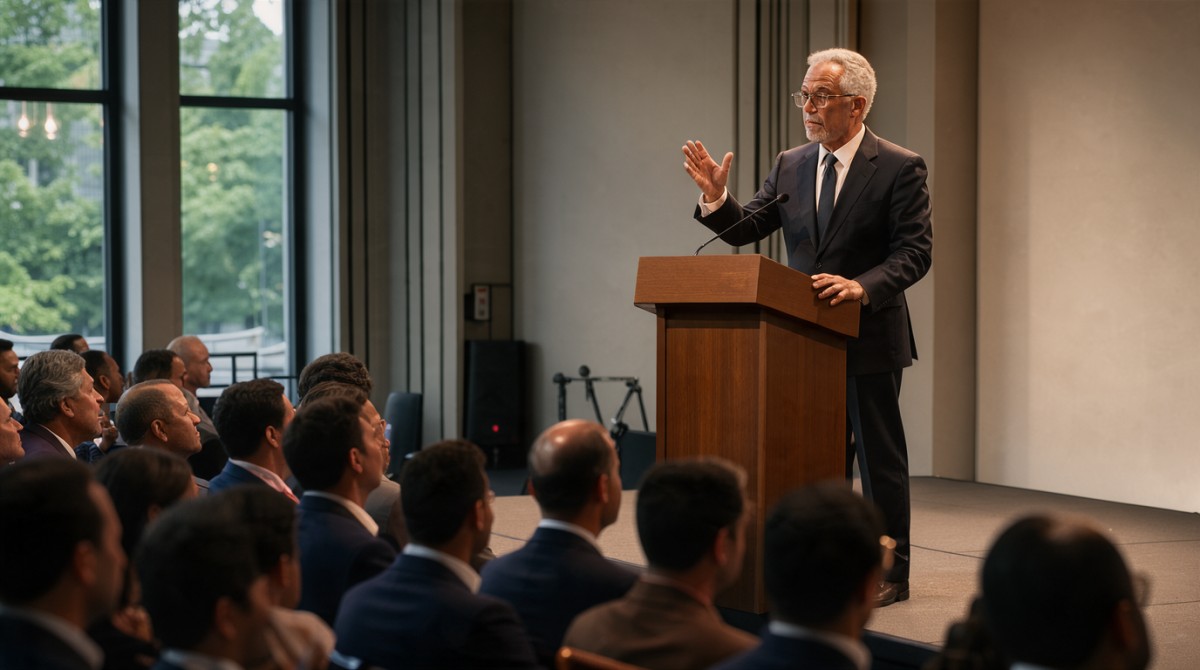
The International Court of Justice delivered a landmark ruling on 20 November 2026, declaring that Myanmar has committed genocide against its Muslim Rohingya minority. The judgment, reported in Al Jazeera English’s Inside Story programme, reverberates far beyond the borders of Southeast Asia, prompting urgent questions about accountability, reparations and the precedent it sets for other alleged mass atrocities, including the ongoing conflict in Gaza. In the footage, presenter James Bays is joined by Rohingya refugee activist Lucky Karim, human‑rights scholar Simon Adams and international law expert Michael Becker, each unpacking the legal weight of the decision and its implications for the broader fight against genocide.
Understanding the ICJ Judgment
The ICJ, the world’s principal judicial organ, concluded that Myanmar’s 2017 military crackdown—characterised by mass killings, sexual violence and forced displacement—met the legal definition of genocide under the Convention on the Prevention and Punishment of the Crime of Genocide. The court’s reasoning hinged on evidence that the Myanmar armed forces deliberately targeted the Rohingya on the basis of their ethnic and religious identity, seeking to destroy, in whole or in part, a protected group.
Lucky Karim, herself a survivor who fled the violence, highlighted the personal dimension of the ruling. In the interview she described the “nightmare of watching villages burned while families were torn apart,” underscoring how the abstract legal language translates into lived trauma. Her testimony reinforced the court’s finding that the atrocities were not random acts of war but a systematic campaign aimed at eradicating the Rohingya presence in Rakhine State.
Simon Adams, a professor of human rights, placed the judgment within the broader architecture of international law. He explained that the ICJ’s decision does not merely label the events as genocide; it obliges Myanmar to cease the genocidal acts, provide guarantees of non‑repetition and, crucially, to offer reparations to victims. The ruling also opens the door for further enforcement mechanisms, such as sanctions or referrals to the International Criminal Court, though the ICJ itself lacks direct enforcement power.
Michael Becker, an expert in international human‑rights law, cautioned that the judgment’s impact will depend on political will. He noted that while the ICJ can order remedial measures, the effectiveness of those orders hinges on compliance by the offending state and the pressure exerted by the international community. In the video, he stressed that “the real test will be whether Myanmar’s military and civilian leadership heed the court’s directives or continue to evade accountability.”
Implications for Myanmar’s Domestic Landscape
The verdict arrives at a fraught moment for Myanmar’s internal politics. Since the 2021 military coup, the junta has further entrenched its grip on power, suppressing dissent and marginalising ethnic minorities. The ICJ ruling adds a new layer of international condemnation, potentially amplifying internal resistance movements that have long demanded justice for the Rohingya.
Human‑rights organisations within Myanmar, such as the National Unity Government in exile, have already called for the immediate release of Rohingya detainees and the restoration of citizenship rights. The court’s decision reinforces these demands, providing a legal backbone that activists can cite when confronting the junta’s narrative of sovereignty and non‑interference.
For the Rohingya diaspora, the judgment is a mixed blessing. While it validates their claims of genocide, the path to reparations remains uncertain. The ICJ ordered Myanmar to provide guarantees of non‑repetition, but the mechanisms for delivering compensation or facilitating safe repatriation are still to be negotiated. Many Rohingya refugees in Bangladesh, who have lived in camps for nearly a decade, now face the prospect of a protracted legal process that may delay any return home.
Economically, the ruling could tighten already severe sanctions imposed by Western nations. Trade restrictions, particularly on Myanmar’s lucrative natural gas exports, may be intensified if the international community decides to link economic incentives to compliance with the ICJ’s orders. Such pressure could further strain the country’s fragile economy, already battered by internal conflict and the fallout from the pandemic.
Regional Repercussions Across South Asia
The judgment reverberates throughout South Asia, where neighbouring Bangladesh hosts the majority of Rohingya refugees. The influx, which began after the 2017 crackdown, has placed immense pressure on Bangladesh’s resources, especially in the Cox’s Bazar camps. The ICJ’s decision could galvanise Bangladeshi authorities to press Myanmar for a durable solution, leveraging the legal ruling as diplomatic ammunition.
Bangladesh’s Ministry of Disaster Management and Relief, accustomed to coordinating massive humanitarian responses, may now seek greater international assistance to improve camp conditions and explore repatriation frameworks. The ruling also raises the stakes for regional organisations such as the Association of Southeast Asian Nations (ASEAN), which has historically been reluctant to intervene in member states’ internal affairs. The ICJ verdict challenges ASEAN’s principle of non‑interference, urging a re‑evaluation of its role in addressing human‑rights violations among its members.
India, a key regional power, watches the development closely. While it has maintained a cautious diplomatic stance towards Myanmar, the genocide ruling could influence its foreign‑policy calculus, especially as India balances strategic interests with its own commitments to human rights. Any shift in India’s approach may affect regional stability, given its involvement in infrastructure projects and security cooperation with Myanmar.
Beyond immediate neighbours, the ruling adds to a growing catalogue of international legal actions against state‑perpetrated mass violence. It signals to other governments in the region that the global community is watching, and that failure to protect minority populations could invite legal scrutiny and diplomatic fallout.
Global Echoes: Linking Rohingya and Gaza
The Al Jazeera report explicitly raised the question of whether the ICJ’s Rohingya judgment could have implications for the ongoing conflict in Gaza. While the two situations differ in geography and actors, both involve allegations of genocide and mass civilian suffering. Simon Adams noted that the Rohingya case “sets a legal benchmark” that could be invoked by advocates seeking accountability for Israel’s actions in Gaza.
International law scholars argue that the ICJ’s reasoning—particularly the emphasis on intent to destroy a protected group—could be applied to other contexts where civilian populations are systematically targeted. However, Michael Becker reminded viewers that each case must be assessed on its own factual matrix. He cautioned against “over‑simplifying complex conflicts” and stressed that the court’s jurisdiction and the parties’ consent to be bound are critical legal thresholds.
Nevertheless, the Rohingya judgment may embolden human‑rights defenders worldwide to push for similar legal scrutiny of the Gaza situation. Civil‑society groups could cite the ICJ’s findings as a precedent when demanding investigations by the International Criminal Court or urging UN bodies to adopt stronger resolutions.
For Latin America, where many governments have expressed solidarity with the Palestinian cause, the Rohingya ruling offers a diplomatic tool. Countries such as Brazil, Argentina and Mexico can reference the ICJ’s decision in multilateral forums to argue for consistent application of genocide definitions, thereby reinforcing calls for accountability in Gaza and elsewhere.
Challenges of Enforcement and the Role of International Institutions
One of the central challenges highlighted in the Inside Story segment is the enforcement gap that often plagues ICJ rulings. The court can issue binding orders, but it lacks a police force to compel compliance. Consequently, the effectiveness of the Rohingya judgment rests on the collective pressure exerted by states, regional bodies and civil‑society coalitions.
UN agencies, particularly the Office of the High Commissioner for Human Rights, may play a coordinating role in monitoring Myanmar’s adherence to the court’s directives. The video suggested that a robust verification mechanism—potentially involving UN fact‑finding missions—could be essential to document whether the military has ceased genocidal practices and whether reparations are being delivered.
Regional organisations like the Association of Southeast Asian Nations could also be instrumental. If ASEAN were to adopt a stronger stance, perhaps by suspending Myanmar’s membership privileges until compliance is demonstrated, it would signal a shift towards collective responsibility for human‑rights protection. However, the video underscored the political sensitivities surrounding such moves, given ASEAN’s historical reluctance to intervene.
Finally, the role of non‑governmental organisations cannot be overstated. Groups such as the International Crisis Group, Human Rights Watch and local Rohingya advocacy networks will likely continue to document abuses, lobby governments and keep the issue on the international agenda. Their work ensures that the court’s judgment does not fade into legal abstraction but remains a living instrument of justice.
Looking Ahead: Paths to Justice and Reconciliation
The ICJ’s ruling marks a pivotal moment in the long‑standing struggle for Rohingya justice, but it is only the beginning of a complex process. The next steps will involve detailed negotiations over reparations, the safe and dignified return of refugees, and the establishment of guarantees that prevent future genocidal acts.
Lucky Karim’s testimony in the video reminded viewers that justice is not merely a legal concept but a deeply personal journey for survivors. She called for “a world that listens to our stories and turns them into action,” urging the international community to move beyond symbolic condemnation and to fund concrete programmes for reconstruction, education and livelihood restoration in Rohingya‑affected areas.
From a broader perspective, the judgment could catalyse a global dialogue on how to strengthen the enforcement mechanisms of international law. Scholars like Simon Adams argue that the case underscores the need for a more robust system of sanctions and incentives that can compel states to comply with ICJ orders. Others suggest that expanding the jurisdiction of the International Criminal Court to cover genocide cases where the ICJ has already rendered judgments could create a complementary enforcement pathway.
In Latin America, the Rohingya ruling resonates with ongoing struggles over indigenous rights, environmental justice and state violence. The region’s own experiences with forced displacement—whether due to extractive projects in the Amazon or drug‑related conflicts in the Andes—provide a poignant backdrop for solidarity. By linking the Rohingya case to local battles for justice, activists can build trans‑regional coalitions that amplify demands for accountability worldwide.
By Elena Vasquez, Staff Writer
This article was produced with AI-assisted research and editorial support. Reporting is based on the source material cited below. Sources: Al Jazeera English video report (20 November 2026); Al Jazeera English; Global1.News
What's Your Reaction?
 Like
0
 Dislike
0
 Love
0
 Funny
0
 Wow
0
 Sad
0
 Angry
0

Latin America Correspondent at Global1.News. Based in Mexico City, covering politics, economics, energy, and culture across the region. Brings an on-the-ground perspective to stories spanning from the Rio Grande to Patagonia.












Comments (0)