
Survivors of Uganda's deadly landslide seek justice at the UN
Survivors of the 2019 landslide that devastated Bududa in eastern Uganda have taken their struggle for safety, land rights and compensation to the United Nations.

Survivors of the 2019 landslide that devastated Bududa in eastern Uganda have taken their struggle for safety, land rights and compensation to the United Nations. More than 50 people lost their lives in that tragedy, including a heartbreaking majority of children. Now, fifty‑eight months after the disaster, the claimants are pressing the UN Human Rights Committee to hold the Ugandan state accountable for what they describe as a constitutional breach and a failure to protect citizens from climate‑driven hazards.
From tragedy to tribunal: the birth of a landmark case
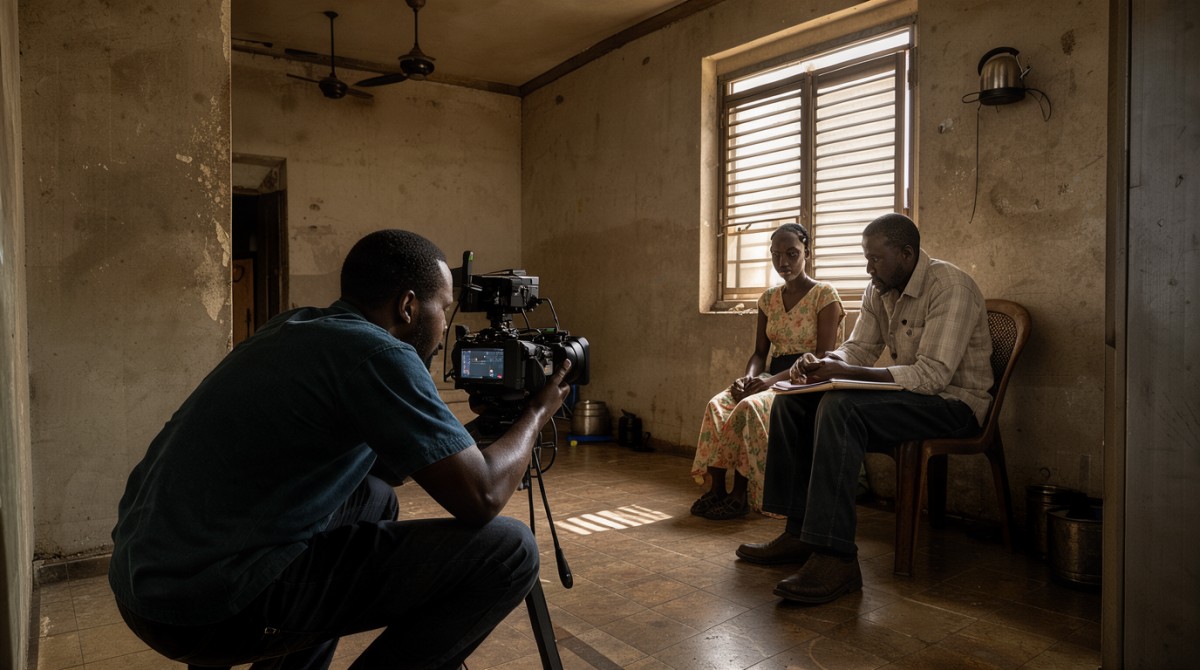
The group of forty‑eight complainants, led by William Tsama, who lost four relatives in the landslide, argue that the government’s disaster‑management policies have been inadequate for years. They contend that Uganda’s constitution obliges the state to safeguard lives and property, a duty they say has been ignored in Bududa, a district long known for its steep slopes and landslide risk.
Legal action began in 2020 within Uganda’s courts, but the survivors soon found that domestic avenues alone could not compel the changes they needed. With the backing of the environmental NGO Greenwatch, they escalated the matter to the UN Human Rights Committee in November 2026, seeking what is described as the first climate‑adaptation case before the body. If the committee rules in their favour, the decision could set a regional, even global, precedent for how governments must address loss and damage linked to climate change.
The government’s resettlement promise and its limits
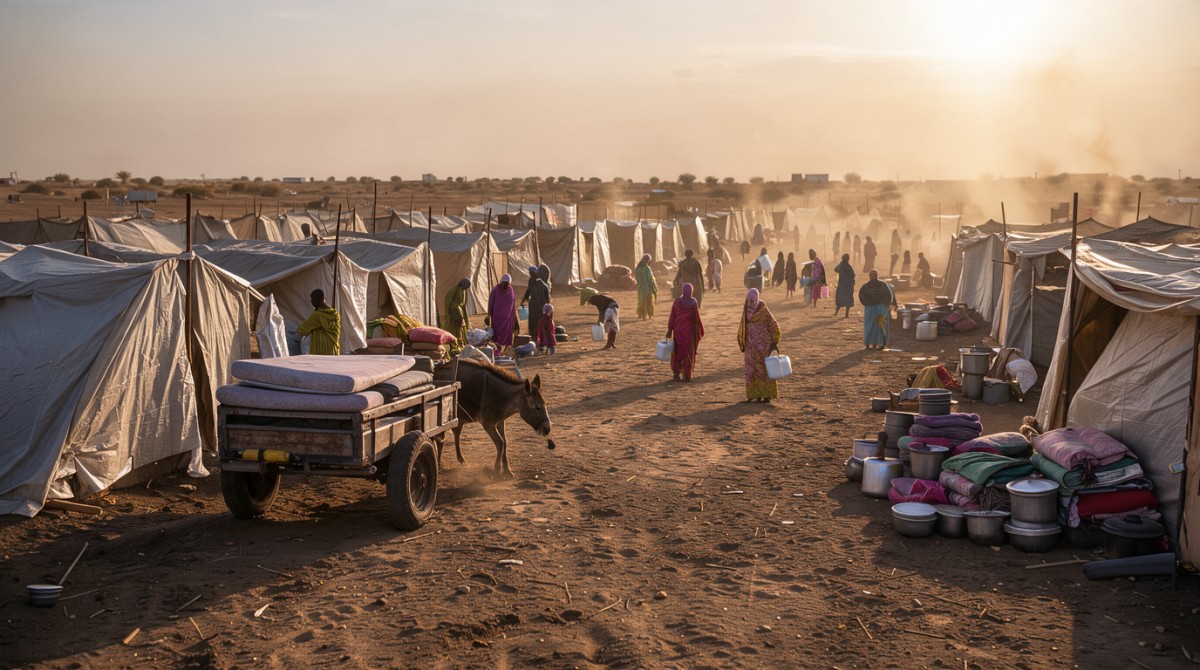
Uganda introduced a resettlement programme for landslide‑prone areas in 2011, yet progress has been modest. The latest iteration, launched last month, offers affected households a package of 18 million Ugandan shillings—roughly $4,300—to relocate to safer zones. Under the scheme, families may choose either two acres of land valued at 8 million shillings plus a 10 million‑shilling housing grant, or the cash equivalent of the land allowance together with the same housing grant.
The government estimates the programme will benefit 1,410 households identified as living in high‑risk locations. However, survivors question whether the financial assistance is sufficient to cover the true cost of moving, rebuilding homes and re‑establishing livelihoods. The deadline set by authorities—two months from November to December to vacate designated high‑risk areas—has heightened anxiety, as many fear forced eviction without adequate support.
Beyond relocation: protecting livelihoods and land rights
For the Bududa families, relocation is not merely a matter of moving houses; it is about preserving the means of survival that their land provides. The complainants argue that any resettlement plan must respect existing land tenure, ensure access to fertile soils and safeguard agricultural productivity, which has already been eroded by changing rainfall patterns and declining soil fertility.
“I want to get a new good place for my people, so even if I die, they will be okay. I am an old man, but I am doing it for my children,” Tsama told the committee, underscoring the intergenerational stakes of the dispute. The claimants also demand emergency measures such as early‑warning systems that can alert communities before heavy rains trigger landslides, a tool they say could save lives and reduce future displacement.
Climate change as a driver of disaster risk
Survivors and advocates stress that the Bududa landslide is part of a broader pattern of climate‑related hazards sweeping East Africa. In Kenya, floods and landslides claimed at least 181 lives between March and May 2024, while Rwanda recorded 135 deaths from similar events in May 2023. The frequency and intensity of these disasters have been linked to shifting rainfall regimes and increasingly unstable soils.
International experts echo this view. ClientEarth lawyer Vesselina Newman highlighted that poorer nations, which have contributed little to global emissions, are bearing the brunt of climate impacts. She called for high‑income countries to channel more financial assistance directly to vulnerable states like Uganda, enabling them to implement life‑saving adaptation measures without delay.
Legal arguments and the UN committee’s mandate
The claimants base their case on alleged violations of Uganda’s own constitution, which they say mandates effective disaster management and protection of citizens’ rights to life, health and property. By failing to provide adequate relocation, early‑warning systems and compensation, the government is, in their view, neglecting these obligations.
The UN Human Rights Committee will now ask the Ugandan government to respond within six months. Its deliberations will consider whether the state’s actions—or inactions—constitute a breach of internationally recognised human rights standards, particularly the right to an adequate standard of living and the protection against environmental hazards.
Potential implications for African climate policy
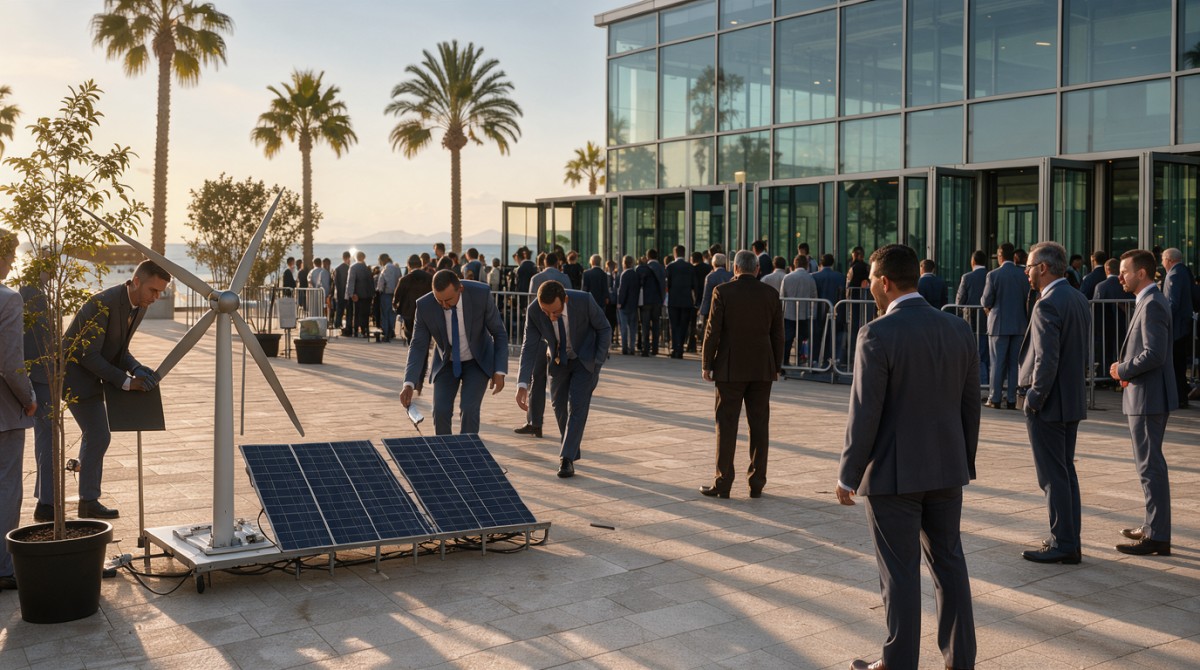
A ruling in favour of the Bududa survivors could reverberate across the continent. Many African nations grapple with similar challenges: mountainous regions prone to landslides, flood‑prone lowlands, and agricultural communities threatened by erratic weather. A precedent that links human‑rights obligations to climate‑adaptation measures would pressure governments to integrate disaster risk reduction into development planning more robustly.
Greenwatch Executive Director Samantha Atukunda Kakuru Mwesigwa framed the case as a catalyst for policy change, noting that “justice for claimants is not just about winning in court. It is about forcing government policy to keep pace with a changing climate, and ensuring loss and damage is no longer an afterthought in disaster management.” If the UN committee’s findings reinforce this narrative, donors and regional bodies may be urged to allocate more resources toward proactive adaptation, rather than reactive relief.
What the future holds for Bududa’s families
While the legal battle unfolds, the immediate reality for Bududa’s residents remains fraught. Each heavy rainstorm revives the memory of the 2019 tragedy, and the looming eviction deadline adds urgency to their pleas. The success of the UN case could unlock compensation for lost family members, funding for early‑warning infrastructure, and a more dignified relocation process that respects land tenure and livelihood needs.
For now, the survivors continue to live with the dual burden of mourning and uncertainty. Their determination to seek justice on the world stage reflects a broader African resolve: to claim the right to live safely, to farm productively, and to have governments honour their constitutional promises in the face of a warming planet.
This article was produced with AI-assisted research and editorial support. Reporting is based on the source material cited below. Sources: BBC News Africa; bbc.co.uk; Global1.News (19 November 2026).
By Amara Diop, Staff Writer
What's Your Reaction?
 Like
0
 Dislike
0
 Love
0
 Funny
0
 Wow
0
 Sad
0
 Angry
0

West Africa/Sahel Correspondent at Global1.News. Dakar-based journalist covering politics, security, climate, and development across Francophone and Anglophone West Africa. Tells the stories of a region undergoing profound transformation.












Comments (0)