
Tunisian doctors suspend strike after overdue payments begin
The Tunisian Organisation of Young Doctors announced on Thursday that it had suspended a strike scheduled for Friday at six university hospitals after the government began paying doctors their overdue payments at several institutions.
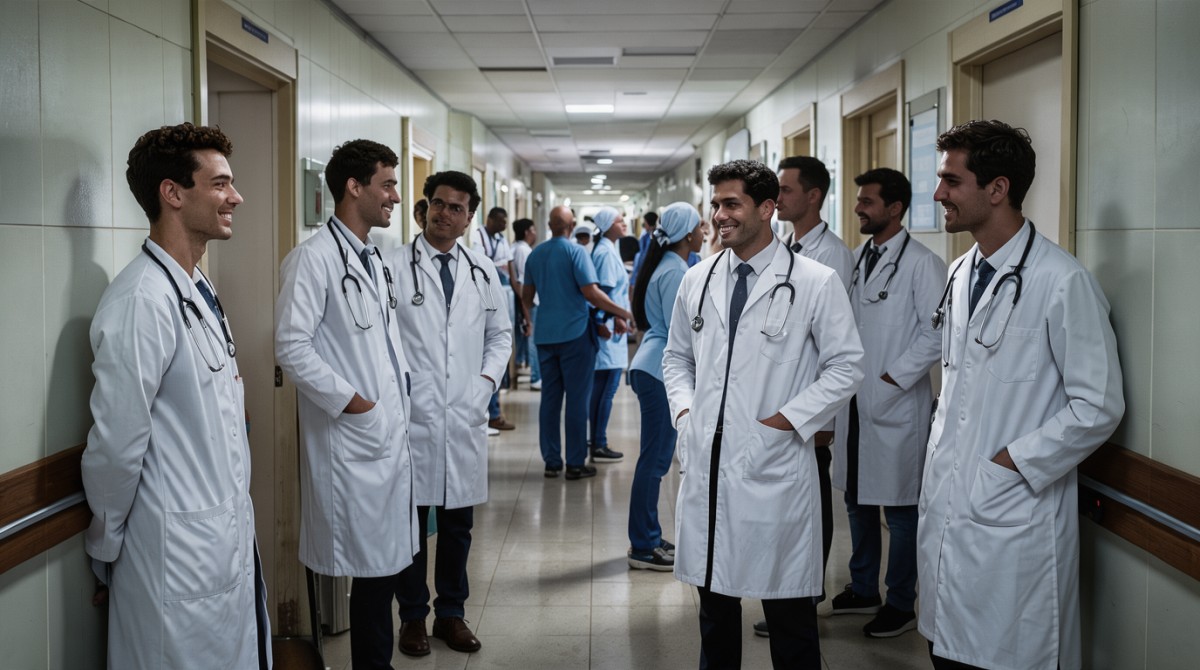
The Tunisian Organisation of Young Doctors announced on Thursday that it had suspended a strike scheduled for Friday at six university hospitals after the government began paying doctors their overdue payments at several institutions. In a statement posted on its Facebook page, the organisation said it had decided to suspend the strike planned for 20 November “after receiving confirmation that payments owed to young doctors had begun at several institutions”. While the decision to call off the protest was welcomed by many who feared a disruption of essential health services, the young doctors made clear that the suspension does not mean abandoning their broader demands for regular, timely remuneration and a transparent dialogue with the health ministry.
Background to the dispute
The dispute that led to the planned strike was rooted in a long‑standing pattern of delayed salaries for newly qualified physicians working in Tunisia’s public university hospitals. According to the organisation’s statement, the lack of timely payments forced young doctors to threaten a strike in order to secure what they described as “ordinary and legitimate payments that should have been made on time without the need for protests”. The frustration expressed by the doctors reflects a broader concern among public‑sector workers that financial insecurity undermines both professional morale and the quality of care delivered to patients.
In addition to the six hospitals where the strike was to be carried out, the organisation highlighted that delayed payments also affected fifteen other university hospitals across the country. By linking the six‑hospital action to a wider systemic problem, the young doctors underscored that the issue was not isolated but part of a national pattern of fiscal neglect that threatens the stability of the public health system.
The suspension and its immediate impact
The government’s decision to begin paying overdue salaries at “several institutions” prompted the young doctors to suspend the strike that had been slated for 20 November. The organisation’s statement emphasized that the suspension was a tactical response to the partial payment, not an acceptance of the status quo. By halting the planned walkout, the doctors avoided a potential disruption of services at six major university hospitals, including the Wassila Bourguiba State Maternity Hospital in Tunis, a key facility for maternal and child health.
Patients and families who might have faced delays or reduced access to care during a strike were spared the immediate inconvenience. However, the temporary nature of the payments—described by the organisation as “temporary measures taken only under pressure from protests”—means that the underlying grievance remains unresolved. The health sector continues to operate under the shadow of financial uncertainty, which can affect staff retention, recruitment, and ultimately, patient outcomes.
Demand for dialogue and systemic reform
The young doctors’ statement criticised what they described as “the lack of channels for dialogue and communication with the central authorities at the Health Ministry, and the absence of any serious response to its repeated letters and demands”. This criticism points to a broader governance issue: the apparent disconnect between frontline medical professionals and the ministries that oversee health policy and budgeting. By highlighting the “policy of silence and disregard” toward representatives, the organisation called for a more inclusive decision‑making process that acknowledges the voices of those directly delivering care.
In the context of international labour standards, the right to collective bargaining and the right to strike are recognized as fundamental. While the doctors chose to suspend the strike in response to partial payments, their insistence on establishing reliable communication channels aligns with the principle that workers should have a meaningful avenue to raise grievances without fear of retaliation or neglect.
Broader implications for Tunisia’s health system
The episode underscores the fragility of Tunisia’s public health financing. When payments to medical staff are delayed, hospitals may face staffing shortages as doctors seek alternative employment or private practice opportunities. This can exacerbate existing challenges such as overcrowded emergency departments, long waiting times, and limited access to specialised care, especially in regions already underserved by health infrastructure.
Moreover, the fact that delayed payments affect at least twenty‑one university hospitals suggests a systemic budgeting shortfall rather than isolated administrative lapses. Addressing this will likely require a comprehensive fiscal review, improved budgeting transparency, and perhaps external technical assistance to align health spending with the country’s commitments under international health agreements.
Human‑rights dimension of the dispute
From a human‑rights perspective, the right to health includes not only access to medical services but also the right of health‑care workers to fair and timely remuneration. When doctors are forced to threaten strikes to receive wages that “should have been made on time”, the state’s failure to meet its obligations can be seen as an indirect violation of the right to health for the broader population. The International Covenant on Economic, Social and Cultural Rights obliges states to ensure that health‑care personnel are adequately compensated, as this directly impacts the quality and continuity of care.
The young doctors’ appeal for “a comprehensive and lasting solution to ensure regular payments” reflects an understanding that financial stability for health workers is integral to safeguarding patients’ rights. By framing their demands within a rights‑based narrative, the organisation aligns its struggle with broader global movements that link labour rights to the right to health.
International attention and solidarity
While the article does not detail external reactions, the inclusion of related links to Amnesty International’s call for an impartial investigation into rising deaths in Tunisian prisons suggests that the broader human‑rights context in Tunisia is under international scrutiny. Such scrutiny can amplify the voices of Tunisian health workers, encouraging solidarity from medical associations and human‑rights organisations worldwide.
International solidarity can pressure the Tunisian government to adopt more transparent and accountable mechanisms for paying public‑sector employees. It can also provide a platform for Tunisian doctors to share best practices from other countries that have successfully reformed public‑sector payroll systems, thereby strengthening the case for systemic change.
Looking ahead: prospects for lasting reform
The suspension of the strike marks a tactical pause rather than a final resolution. The young doctors have made clear that they will continue to pursue their demands until a “comprehensive and lasting solution” is achieved. Future negotiations will likely hinge on the government’s willingness to engage in genuine dialogue, address the broader backlog of unpaid salaries across all university hospitals, and institutionalise mechanisms that prevent recurrence.
For patients, the stakes are high. Consistent, well‑paid medical staff are essential for maintaining the quality of care, especially in maternity hospitals like Wassila Bourguiba where vulnerable populations depend on timely services. As Tunisia navigates its fiscal challenges, the health sector’s stability must remain a priority, lest the human cost of delayed payments become another statistic in a nation already grappling with social and economic pressures.
This article was produced with AI-assisted research and editorial support. Reporting is based on the source material cited below. Sources: Middle East Monitor; middleeastmonitor.com; Global1.News (20 November 2026).
By Fatima Al-Rashid, Staff Writer
What's Your Reaction?
 Like
0
 Dislike
0
 Love
0
 Funny
0
 Wow
0
 Sad
0
 Angry
0
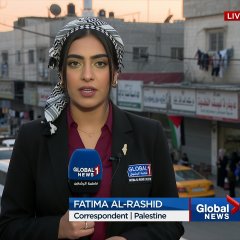
Gulf/MENA Correspondent at Global1.News. Based in Doha, covering Gulf politics, energy markets, diplomacy, and development across the Middle East and North Africa. Tracks the economic transformation of the Gulf states.













Comments (0)