
South African Lens on Nigerian Exploitation Documentary Highlights Shared Struggles
Al Jazeera English’s latest Witness documentary, titled Surviving Exploitation and Grooming: A Search for Belonging , aired on 19 November 2026 at 13:30 UTC.
Al Jazeera English’s latest Witness documentary, titled Surviving Exploitation and Grooming: A Search for Belonging, aired on 19 November 2026 at 13:30 UTC. The film follows 27‑year‑old Sosa Henkoma, a prominent anti‑trafficking campaigner of Nigerian origin who grew up in the United Kingdom, as he returns to Nigeria to trace the fate of his mother, who vanished while attempting to reach Europe years ago. The footage, narrated by Al Jazeera’s correspondents, charts Sosa’s own journey from a childhood marred by abuse, gang violence and exploitation to his present role as a charismatic youth activist. While the story is rooted in the Nigerian context, the themes of migration, identity and the battle against exploitation reverberate strongly within South Africa’s own sporting and social landscape.
From Trauma to Activism: Sosa Henkoma’s Personal Narrative
The documentary opens with Sosa recalling the stark realities of his early years – a childhood riddled with abuse and the lure of gang life. He describes how those experiences forged a raw understanding of the mechanisms that prey on vulnerable youths. In the footage, Sosa’s voice is steady yet charged, reflecting the transformation from a teenage gang member to a campaigner who now stands at the forefront of anti‑trafficking efforts across the UK and Nigeria.
His personal testimony is interwoven with scenes of the streets where he once ran, giving viewers a visceral sense of the environments that nurture exploitation. The film does not shy away from the emotional weight of his story; instead, it uses his journey as a conduit to explore broader systemic issues that also affect South African townships, where sport often serves as a lifeline for at‑risk children.
For South African readers, Sosa’s trajectory mirrors the stories of many young athletes who have escaped violent neighbourhoods through sport. Icons such as Siya Kolisi and the Proteas have spoken openly about using sport as a vehicle for change, echoing Sosa’s belief that empowerment begins with providing alternative pathways for youth.
The Search for a Missing Mother: Migration Realities
The core of the documentary revolves around Sosa’s quest to locate his mother, who disappeared while trying to reach Europe. The footage captures his return to Nigeria, where he retraces the routes taken by countless migrants hoping for a better life abroad. While the film does not provide a definitive answer about his mother’s fate, it paints a stark picture of the perils faced by those who embark on dangerous journeys.
Al Jazeera’s correspondents highlight the desperation that drives families to risk everything, a sentiment that resonates deeply with South African families who send loved ones across borders in search of opportunity. The documentary’s emphasis on the human cost of migration aligns with the narratives we hear in our own sports diaspora, where players often leave home to chase professional contracts, sometimes at great personal sacrifice.
In South Africa, the migration story is intertwined with sport – from the exodus of rugby talent to overseas clubs to the flow of young footballers into European academies. The documentary’s focus on belonging and identity prompts a reflection on how South African athletes negotiate their heritage while forging new lives abroad, a balancing act that Sosa himself navigates as a UK‑based activist with Nigerian roots.
Exploitation and Grooming: A Global Threat
The film delves into the mechanisms of exploitation and grooming that prey on vulnerable youths, both in Nigeria and across the diaspora. Through interviews and on‑the‑ground footage, Al Jazeera illustrates how traffickers manipulate trust, often presenting false promises of education or sport scholarships to lure victims.
These tactics are not foreign to South Africa. Recent reports have shown that grooming networks exploit the aspirations of young athletes, promising overseas contracts that never materialise. The documentary’s exposure of such practices serves as a warning bell for coaches, clubs and community leaders here, urging vigilance and proactive safeguarding measures.
In the South African sporting context, the fight against exploitation has been championed by bodies such as SARU and CSA, which have introduced safeguarding policies for youth development. Sosa’s activism, as depicted in the footage, underscores the importance of cross‑border collaboration – a lesson that South African sport administrators can take to heart as they strengthen partnerships with international federations to combat trafficking.
Identity, Belonging and the Role of Sport
Beyond the stark realities of exploitation, the documentary explores the deeper question of identity. Sosa, born in Nigeria but raised in the UK, grapples with where his roots truly lie. The footage shows him engaging with local communities, sharing his story with young people, and using sport as a bridge between cultures.
South African sport has long been a conduit for forging a collective identity, especially in a nation still healing from its past. Icons like Bafana Bafana and the Springboks have shown how a shared passion can transcend linguistic and cultural divides. Sosa’s use of sport to connect with at‑risk youths mirrors these South African experiences, reinforcing the idea that sport is more than a game – it is a language of belonging.
The documentary’s narrative suggests that belonging is cultivated through shared experiences, mentorship and the provision of safe spaces. In South Africa, community sports programmes have been pivotal in offering alternatives to gang involvement, echoing the pathways Sosa advocates for in Nigeria. The film thus reinforces the universal truth that sport can be a powerful antidote to exploitation when harnessed responsibly.
Implications for South African Policy and Community Action
Al Jazeera’s report, while centred on a Nigerian story, carries clear implications for South African policymakers. The documentary highlights the need for robust cross‑sector collaboration – between law enforcement, NGOs, and sporting bodies – to dismantle trafficking networks.
South Africa’s Sports Ministry has previously emphasised the role of sport in social development, yet the documentary suggests that safeguarding must be integrated into every level of youth sport. The film’s portrayal of Sosa’s grassroots activism demonstrates the impact of community‑led initiatives, a model that South African clubs could emulate by establishing mentorship programmes that pair seasoned athletes with vulnerable youths.
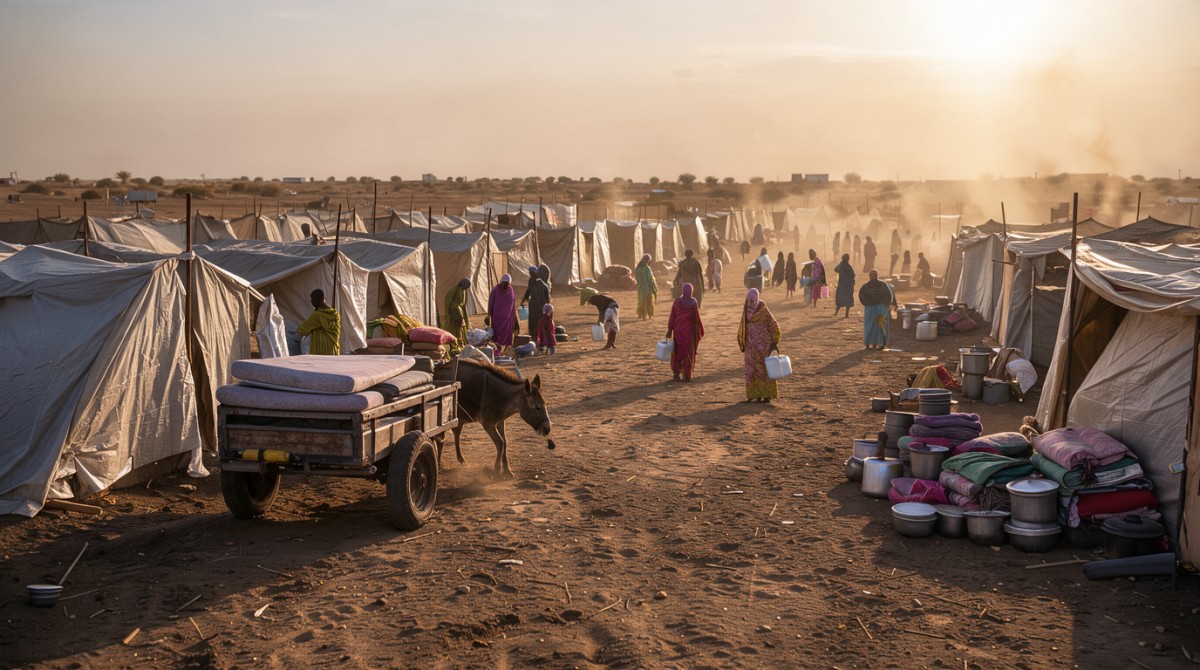
Furthermore, the documentary underscores the importance of data‑driven approaches to track migration patterns and identify hotspots of exploitation. While the source material does not provide specific statistics, the visual evidence presented by Al Jazeera – crowded departure points, makeshift camps and the desperation in the eyes of migrants – offers a compelling case for South African authorities to strengthen border monitoring and provide support services for returning migrants.
Future Outlook: Linking Global Stories to South African Hope
As the documentary concludes, Sosa’s search remains unresolved, but his commitment to activism is unwavering. The footage ends on a hopeful note, showing him speaking to a group of young Nigerians about the power of education and sport to break cycles of abuse. This forward‑looking message resonates strongly with South African audiences, reminding us that the fight against exploitation is ongoing and requires collective resolve.
For South African sports fans, the story serves as a reminder that the challenges faced by athletes and youths abroad are not isolated. The shared experiences of migration, identity and the lure of false promises bind our continent’s youth across borders. By drawing parallels between Sosa’s journey and the South African sporting narrative, we can foster greater empathy and solidarity.
In the weeks ahead, Global1.News will continue to monitor developments related to the documentary’s themes, including any policy shifts in Nigeria and potential collaborative efforts with South African NGOs. The hope is that the visibility offered by Al Jazeera’s report, combined with the passion of activists like Sosa, will inspire stronger safeguards for our own young athletes, ensuring that sport remains a beacon of hope rather than a conduit for exploitation.
By Dante Williams, Staff Writer
This article was produced with AI-assisted research and editorial support. Reporting is based on the source material cited below. Sources: Al Jazeera English video report (19 November 2026); Al Jazeera English; Global1.News
What's Your Reaction?
 Like
0
 Dislike
0
 Love
0
 Funny
0
 Wow
0
 Sad
0
 Angry
0

Breaking News and Investigations Correspondent at Global1.News. Based in London, covering global breaking news, security, and investigative stories. Known for digging deeper and connecting the dots across continents.











Comments (0)