
Toyota Recalls 314,029 Vehicles as Takata Airbag Inflators Near the End of Their Safe Life
Toyota is recalling 314,029 Corolla, Tundra, Sequoia, 4Runner and Lexus SC430, IS250 and GX460 vehicles in the U.S. because Takata front passenger airbag inflators are nearing the end of their safe service life. Dealers will replace the inflator or airbag assembly free, with owner letters starting Dec. 28.
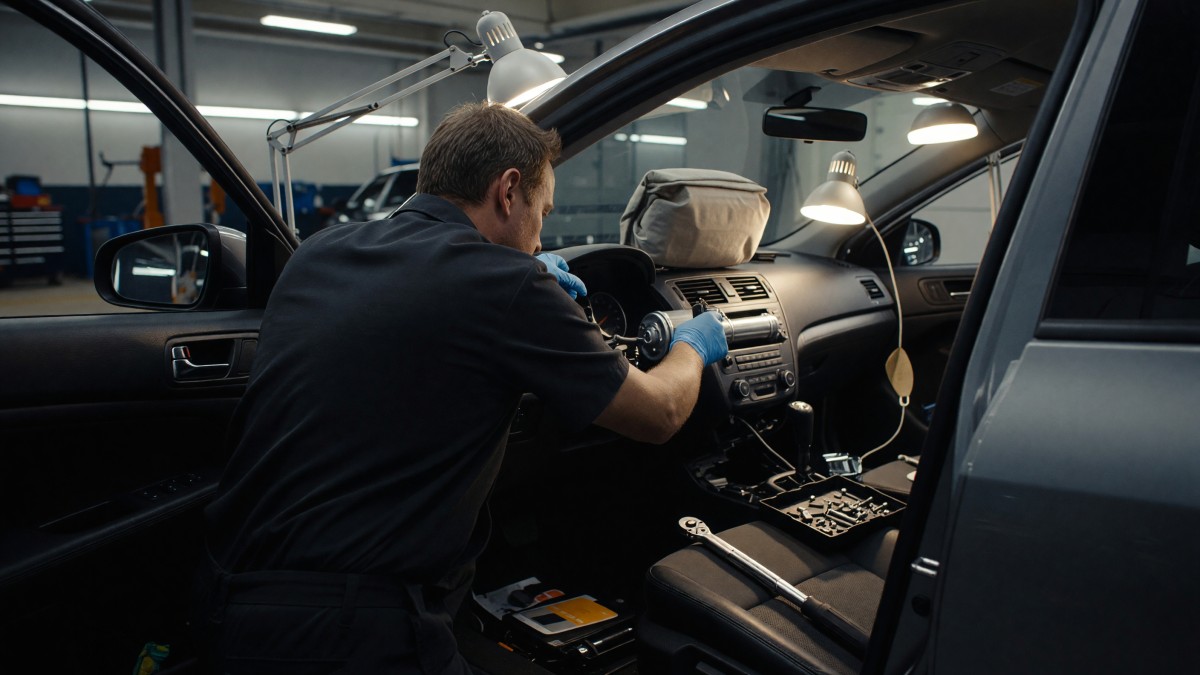
Folks, if you own an older Toyota or a Lexus, put your coffee down and go get your registration. On Nov. 12, Toyota quietly filed a safety recall with the federal government covering 314,029 vehicles in the United States, and the reason is a phrase every car owner should learn to fear: the airbag inflator is "nearing the end of its estimated safe service life." That is not a defect that announced itself with a crash. It is a defect that is being predicted.
Toyota Recalls 314,029 Vehicles as Takata Airbag Inflators Near the End of Their Safe Life
Atlanta, Georgia — The recall, filed with the National Highway Traffic Safety Administration under campaign number 26V748, covers certain Toyota Corolla, Tundra, Sequoia and 4Runner models along with certain Lexus SC430, IS250 and GX460 models from model years 2002 through 2017. Every one of them carries a front passenger airbag inflator built by Takata, and Toyota's own paperwork says the chemical inside it can degrade until the metal cartridge tears apart and throws shrapnel through the cabin.
Three Hundred Fourteen Thousand Vehicles, and One of Them Is a Single Car
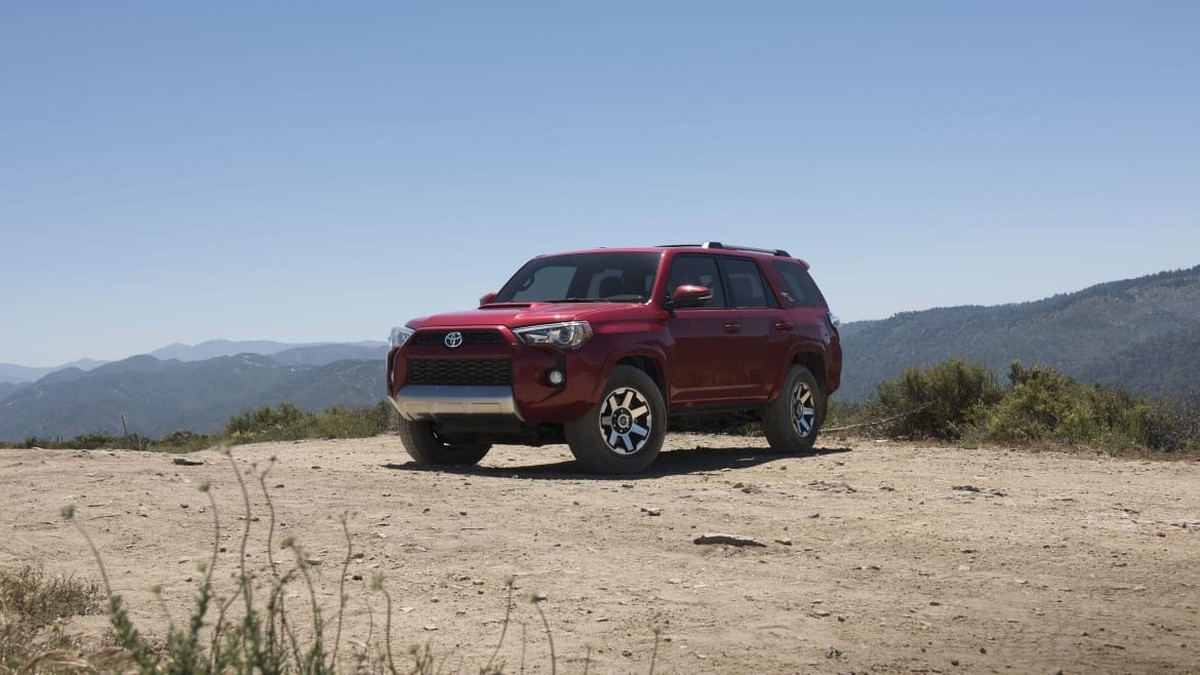
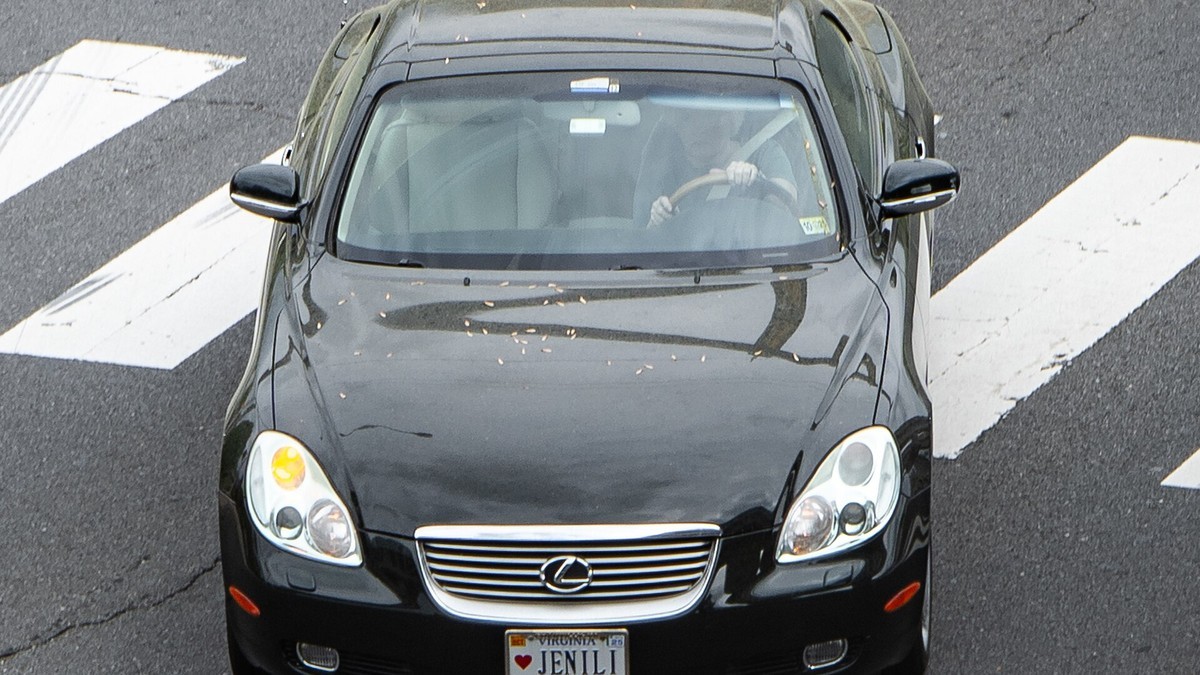
The breakdown in Toyota's Part 573 safety recall report is not a round number anywhere. The 2003-2008 Corolla accounts for 232,174 vehicles, built between Jan. 11, 2002 and Dec. 21, 2007. The 2016-2017 4Runner adds 35,949, all built in a three-month window between Sept. 26 and Dec. 27, 2016. The 2005-2006 Tundra contributes 25,174 and the 2005-2007 Sequoia another 10,736. On the Lexus side, the 2017 GX460 covers 8,931 vehicles, the 2002-2010 SC430 covers 1,064, and the 2011 IS250 covers exactly one car — a single sedan built on March 1, 2011.
That lone IS250 tells you how this recall was assembled. Toyota went back through production records, matched them against the inflators it installed and the ones its dealers installed as replacement parts, and pulled out the specific vehicles carrying the part in question. One car qualified. One car is in the recall.
What Toyota Told Washington, and When
Toyota's public announcement on Nov. 12 named no models at all. It described the action as a voluntary recall involving "certain Toyota and Lexus vehicles," put the figure at approximately 314,000, and pointed owners to a VIN lookup. The seven nameplates and the precise count of 314,029 did not become public until NHTSA posted its acknowledgement of the campaign, which is dated Nov. 18, and the reporting that followed a day later.
That is the part that should bother you. For six days, an owner of a 2004 Corolla had a recall notice in the world and no way to know from the release whether the car they were driving was covered. Toyota did notify dealers and distributors on the same day it filed. Dealers had the information. Owners had a webpage and a wait.
The Part That Was Already Supposed to Be Fixed
Here is the sentence in the filing that stopped me cold. The inflators covered by this recall were installed "as original equipment or a replacement part under a prior recall." Read that twice. Some of the parts that are being recalled right now are the parts that were installed to fix the last recall. A vehicle can be called back for the same seat position a second time, because the remedy from the first round has itself aged out.
The subject inflators carry part numbers 73980-24130 and 73980-24140. The supplier is named in the filing as TK Holdings Inc., the Takata entity in Auburn Hills, Michigan. The propellant is a desiccated, phase-stabilized ammonium nitrate — PSAN — which federal regulators refer to as a 2004-type inflator. The chemistry is the same chemistry that started this whole nightmare. The age is what changed.
Why Now and Not Five Years Ago
Toyota's chronology runs from 2016 to November 2026. For a decade the company collected and analyzed inflators containing that desiccated PSAN propellant, and the filing states that no measurable degradation of the propellant was observed. It also states that no ruptures of the subject inflators in the field have been reported under NHTSA's Standing General Order 2015-01A. No ruptures. No field technical reports from U.S. sources. No warranty claims tied to the condition.
What moved was the clock. TK Global, Takata's parent, published a conservative estimate of these inflators' safe service life in November 2021. Based on that study and on when each inflator entered service, Toyota concluded the parts will approach the end of that estimate. On Nov. 6, out of what the filing calls an abundance of caution, the company decided to recall. Six days later it filed.
Twenty-Eight People, and a Recall Nobody Can Close
NHTSA's own Takata spotlight is blunt about the stakes: the agency "has confirmed that 28 people in the United States have been killed when their defective Takata PSAN air bag inflators exploded," and at least 400 people have allegedly been injured. The 28th confirmed death was linked to a crash involving a Honda, and Honda's own fact sheet counts 20 deaths and more than 200 injuries in the U.S. from ruptured driver inflators alone.
Now the number that will not close. Of the roughly 67 million Takata airbags recalled in the United States, NHTSA has said it cannot confirm the status of about 9 percent. Nine percent sounds like a rounding error until you do the arithmetic: that sliver is more than six million airbags, sitting in cars somebody is still driving to work. Carfax's September tracker put the count of unrepaired vehicles at about 4.7 million. Those are two different measurements, and both of them are too big.
The Word That Decides Everything Is 'Certain'
Toyota's release says "certain" Toyota and Lexus vehicles, and the filing spells out why. Although the vehicles fall inside those production windows, not all of them were sold in the United States. The recall covers only the vehicles equipped with the subject inflators installed during a specific period. Other inflators of the same design went in later and still have service life left; those are being monitored, not replaced.
Which means the model year and the nameplate in your driveway are not proof of anything. A 2006 Corolla is not automatically recalled. A 2007 Corolla is not automatically excluded. The only answer that means a thing is the 17-character VIN on your insurance card or your windshield, run through NHTSA's recall lookup or Toyota's own. If you have been telling yourself "mine's too old to matter," you have the logic exactly backward. Age is the whole defect.
If You Live in the Heat Belt, You Live in Zone A
NHTSA did not treat this recall as one national event. It sorted the original Takata population into climate zones, because the propellant degrades on heat and humidity rather than on mileage. Zone A, the hottest and most humid tier, includes Alabama, California, Florida, Georgia, Hawaii, Louisiana, Mississippi, South Carolina, Texas and several U.S. territories. That is the tier where the same inflator ages fastest.
I am writing this from Atlanta, and I want to be plain with my neighbors: we are in Zone A. A twenty-year-old Corolla that has spent its life in Georgia heat and Georgia humidity is not the same object as the same car in a dry, cool state, even though the recall notice reads identically. If you have a covered vehicle, the calendar is not the only thing working against you. So is the weather you park in every afternoon.
What Owners Should Actually Do This Week
Three steps, in order, and none of them cost money. First, run your VIN at nhtsa.gov/recalls or Toyota.com/recall — not a model-year search, the actual VIN. Second, if it comes back covered, call a Toyota or Lexus dealer and get on the schedule now rather than when the letter arrives; dealers were notified on Nov. 12. Third, if a dealer tells you the repair is not free or will not be performed, NHTSA's guidance is to notify the manufacturer and file a complaint with the agency.
Owner notification letters are expected to start mailing Dec. 28 — 38 days from today — and the filing commits to reaching all owners by Jan. 11, 2027. The remedy is a replacement front passenger inflator or a complete airbag assembly, depending on the model, at no charge. Do not unplug the airbag yourself to be safe. A disabled airbag is its own way to die in a crash, and this fix runs through the dealer.
What Toyota Has Not Said
The filing is honest in ways that are unusual. Two fields are simply empty: the description of the cause, and the identification of any warning that can occur. That is not evasion so much as a statement of the science — the failure is a slow chemical drift with no dashboard light attached. Toyota also states plainly that it cannot estimate the percentage of vehicles that actually contain the defect. The federal portal requires an integer, so the company entered "1" and explained in the report that for its purposes the number means unknown.
What is missing is a do-not-drive advisory, and that absence is meaningful. NHTSA reserves those warnings for the highest-risk Takata vehicles — certain 2001-2003 Hondas and Acuras, some Mazdas and Fords. Toyota did not issue one here, and the agency did not either. That tells you this recall is precautionary in a way the Honda stop-drive orders were not. It does not tell you to wait.
The Long Tail of the Largest Recall in American History
NHTSA calls the Takata program "the largest and most complex safety recall in U.S. history," and the numbers back the adjective: roughly 67 million airbags across 34 brands and 19 automakers, with the defect surfacing in 2008 and detonating into public view in 2013. Stellantis' FCA unit told owners of about 225,000 unrepaired Chrysler, Dodge, Jeep and Ram vehicles in February to stop driving until the work was done. Honda reports about 12.9 million vehicles recalled, 21 million inflators, and a 96.2 percent completion rate as of Aug. 21.
Every one of those completion rates leaves a remainder, and the remainders are where people die. That is the uncomfortable shape of a twenty-year recall: the cars get older and cheaper, moving into second and third owners who never got the letter. This Toyota filing is not the end of the Takata story. It is the part where a manufacturer does arithmetic on its own aging inventory and decides the risk is about to become real.
So check the VIN. Not next month, not after the holidays. Today. Then call your rep about how a recall of 67 million airbags still has six million loose ends, and then tell the person who bought your old Corolla. The letter comes in 38 days. The heat does not wait for it.
By Jessica Ali, Staff Writer
This article was produced with AI-assisted research and editorial support. Sources: Toyota Motor Engineering & Manufacturing Part 573 Safety Recall Report 26V748 filed with NHTSA; NHTSA Campaign 26V748 and NHTSA Takata Air Bag Recall Spotlight; Toyota USA Newsroom recall notice, Nov. 12, 2026; Reuters reporting on the recall; Consumer Reports; Carfax recall tracker; Honda and FCA US recall disclosures. Photographs: Toyota 4Runner manufacturer image via Cars.com; Lexus SC430 by OWS Photography, CC BY 4.0, via Wikimedia Commons.
What's Your Reaction?
 Like
0
 Dislike
0
 Love
0
 Funny
0
 Wow
0
 Sad
0
 Angry
0

Editor-in-Chief at Global1.News. Atlanta-based journalist who cuts through the BS and tells it like it is. Lead anchor, host, and the voice you hear when the spin stops and the truth starts.











Comments (0)