
Siya’s Boks remain united
When the Springboks gathered in Dublin on Friday, the buzz around the Rassie Erasmus ban was palpable, but captain Siya Kolisi kept his focus razor‑sharp on unity and the honour of wearing the green and gold.
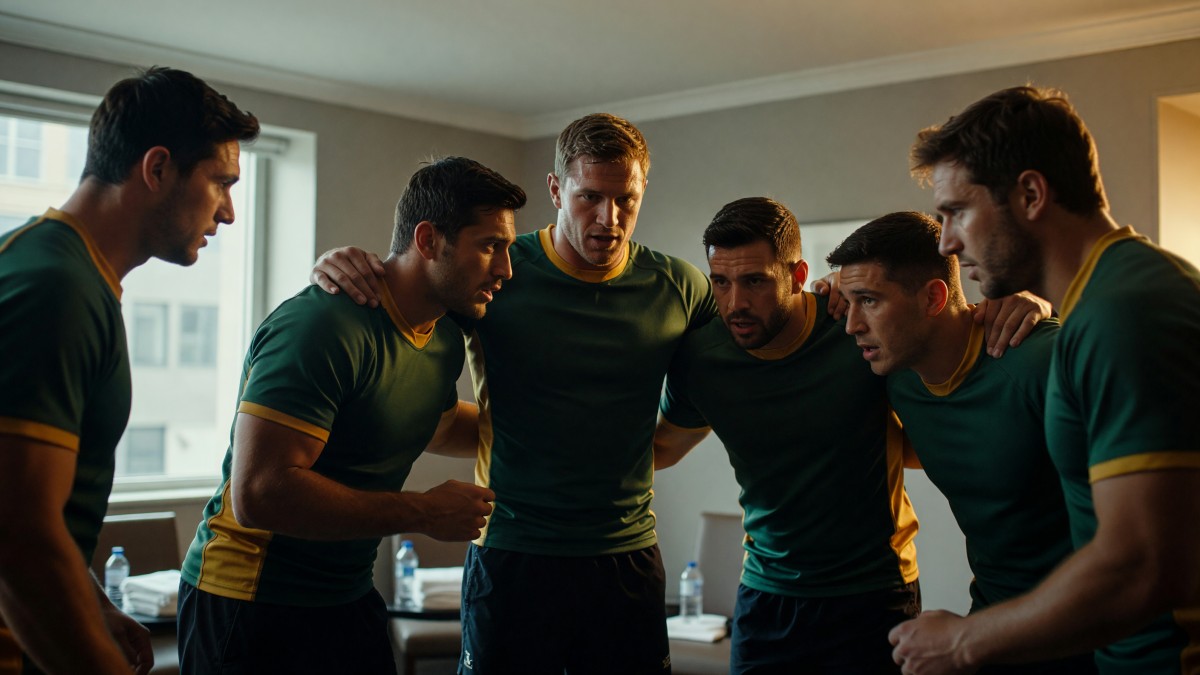
When the Springboks gathered in Dublin on Friday, the buzz around the Rassie Erasmus ban was palpable, but captain Siya Kolisi kept his focus razor‑sharp on unity and the honour of wearing the green and gold. In a candid press briefing, Kolisi reminded everyone that the jersey’s weight is less about politics and more about the lift it gives a nation for those fleeting 80 minutes on the field. “For those 80 minutes, it doesn’t change everything in our country, but it gives people a good mood for a period of time,” he said, a line that resonated with fans from Jo’burg townships to Cape Town’s coastal suburbs.
The Scrum Talk: Respecting the Opposition
Kolisi’s 108th test cap came with a familiar topic on the agenda – the set‑piece battle against a resurging Irish pack. He noted that Ireland’s scrum had improved dramatically since last year’s drubbing, pointing out the penalties they have been conceding against other sides. “Their scrum is much better than it was a year ago,” he observed, underscoring that the Boks cannot simply rely on past dominance.
Rather than dwell on the opponent’s strengths, Kolisi stressed a classic Springbok mantra: control what you can. “Our focus is not on what they’re going to do, it’s making sure that we stick to our plans and do what we need to do in the scrum,” he said. The captain’s message was clear – the Boks must execute their own game plan, not react to every Irish infringement.
Set‑Piece as One Weapon in a Bigger Arsenal
While the scrum is a cornerstone of South African rugby, Kolisi was quick to remind the media that it is just one of many tools in the Boks’ toolbox. He highlighted the ripple effect of winning a set‑piece: it creates penalties, opens space and can translate into points. “If you can win your set‑piece, that gives you an opportunity to create, get a penalty and get points,” he explained.
Kolisi also reflected on the recent loss to France, noting that the Boks had failed to convert scrum dominance into scoreboard advantage. “After [scrummaging], you actually have to use it and score points with it, which last week [against France], obviously, we didn’t do,” he admitted. The captain’s honesty about missed opportunities added a layer of accountability that South African fans have come to expect from their leaders.
Pragmatic Outlook on Potential Back‑to‑Back Losses
When journalists pressed him about the prospect of consecutive defeats – a scenario the Springboks have avoided for four years – Kolisi offered a measured perspective. He acknowledged the desire to win every match, yet recognised the reality that “we can’t always win everything.” The captain’s humility resonated with a nation that knows the highs of a World Cup triumph and the sting of a narrow loss.
Kolisi’s emphasis on effort over outcome struck a chord: “We’re not always going to promise to win, but the effort and the manner that we play in, the fight that we have in us, is always what we focus on.” He framed the Boks’ mission as a commitment to intentional play in every phase, regardless of the final scoreline. This pragmatic stance reflects a broader South African sporting ethos – that perseverance and pride often matter more than the result.
Impact on the Nation: Mood, Unity and the Privilege of the Jersey
Beyond tactics, Kolisi reminded everyone of the profound emotional impact the Springboks have on the country. He spoke of the collective uplift when the team wins, and the “tough” mood when they lose. “We know what it does to the country, how happy the mood is when we win, and when we lose, it gets tough,” he said, underscoring the deep connection between the jersey and the South African psyche.
The captain also highlighted the sacrifices fans make to watch the Boks, noting that many travel long distances just to catch a glimpse of the action. “People care a lot about it, and so many people go out of their way to make sure they get to watch us,” he observed. By framing the jersey as a privilege and honour, Kolisi reinforced the idea that the Springboks carry the hopes of a nation every time they step onto foreign soil.
Historical Context: The Negative Record Against Ireland
Statistically, Ireland is the only side against which Kolisi holds a negative win‑loss record – four wins to five defeats. This fact adds an extra layer of intensity to the Dublin clash, as the captain is keenly aware of the narrative stakes. “Against Ireland, the only team against who I have a negative win‑loss record (4‑5), we know what it does to the country,” he said, linking personal performance to national sentiment.
The awareness of that record fuels a drive to overturn the trend, but Kolisi also kept the conversation grounded. He stressed that while the result matters, the broader picture – the spirit of the game and the unity it fosters – remains paramount. This balanced outlook mirrors the South African sporting tradition of using sport as a bridge across diverse communities.
Looking Ahead: Unity as the Core Strategy
As the Springboks prepare for the upcoming test, the message from the captain is unequivocal: unity, effort and intentional play are the pillars that will guide South Africa’s quest for success. Kolisi’s remarks about staying true to the game plan, capitalising on set‑piece opportunities and embracing the privilege of the jersey all point to a team that is aware of its role both on and off the field.
For South African fans, the narrative is familiar – a sport that lifts moods, unites provinces and offers a shared identity. Whether the Boks emerge victorious against a revitalised Irish pack or face another setback, Kolisi’s steadfast belief in the power of unity will continue to echo in townships, schools and stadiums across the nation. The Springboks’ journey, as always, remains a reflection of South Africa’s own story of resilience, pride and the unbreakable bond between a jersey and its people.
This article was produced with AI-assisted research and editorial support. Reporting is based on the source material cited below. Sources: SARugbyMag; sarugbymag.co.za; Global1.News (20 November 2026).
By Dante Williams, Staff Writer
What's Your Reaction?
 Like
0
 Dislike
0
 Love
0
 Funny
0
 Wow
0
 Sad
0
 Angry
0

Breaking News and Investigations Correspondent at Global1.News. Based in London, covering global breaking news, security, and investigative stories. Known for digging deeper and connecting the dots across continents.












Comments (0)