
Brexit Reset: Burnham’s Push to Re‑Engage the EU
In a high‑profile visit to Brussels on 20 November 2026, Prime Minister Andy Burnham signed a fresh partnership deal with the European Union and used the occasion to outline an ambitious agenda for a deeper UK‑EU rapprochement.
In a high‑profile visit to Brussels on 20 November 2026, Prime Minister Andy Burnham signed a fresh partnership deal with the European Union and used the occasion to outline an ambitious agenda for a deeper UK‑EU rapprochement. The Channel 4 News report, filmed on the day of the signing, captures Burnham’s claim that the original Brexit bargain has been a failure and that the United Kingdom has “lost more than it has gained”. He framed the new deal as merely the first step in a longer process that could, in his own words, see the UK “re‑join the EU in my lifetime”, albeit not within the current parliamentary term that runs to 2029. The programme, FourSight, brought in two experts – Georgina Wright of the German Marshall Fund and Professor Anand Menon of King’s College London – to dissect the political, economic and legal ramifications of a possible return to the EU customs union, the single market and, ultimately, full membership.
Burnham’s Brussels Deal: A Symbolic Reset
The signing ceremony, held in the European Commission’s headquarters, was presented by the Prime Minister as a “reset” of the post‑2016 relationship. Burnham told Channel 4 that the existing trade arrangements were “basically a failure” and that the UK had suffered a net loss. He stressed that the new deal was only the start of a broader dialogue, with “all options on the table”. The language suggested a willingness to explore both the customs union and the single market, signalling a shift from the hard‑line Brexit stance that dominated the previous decade.
Burnham’s remarks were deliberately measured; while he spoke of a long‑term ambition to re‑join the EU, he explicitly ruled out any formal move during the current Parliament, which will sit until 2029. This caveat reflects the political calculus of a government that must balance a divided electorate with the realities of a coalition that includes pro‑EU voices. By postponing any concrete step until after the next election, Burnham seeks to keep the issue alive without exposing his administration to immediate electoral risk.
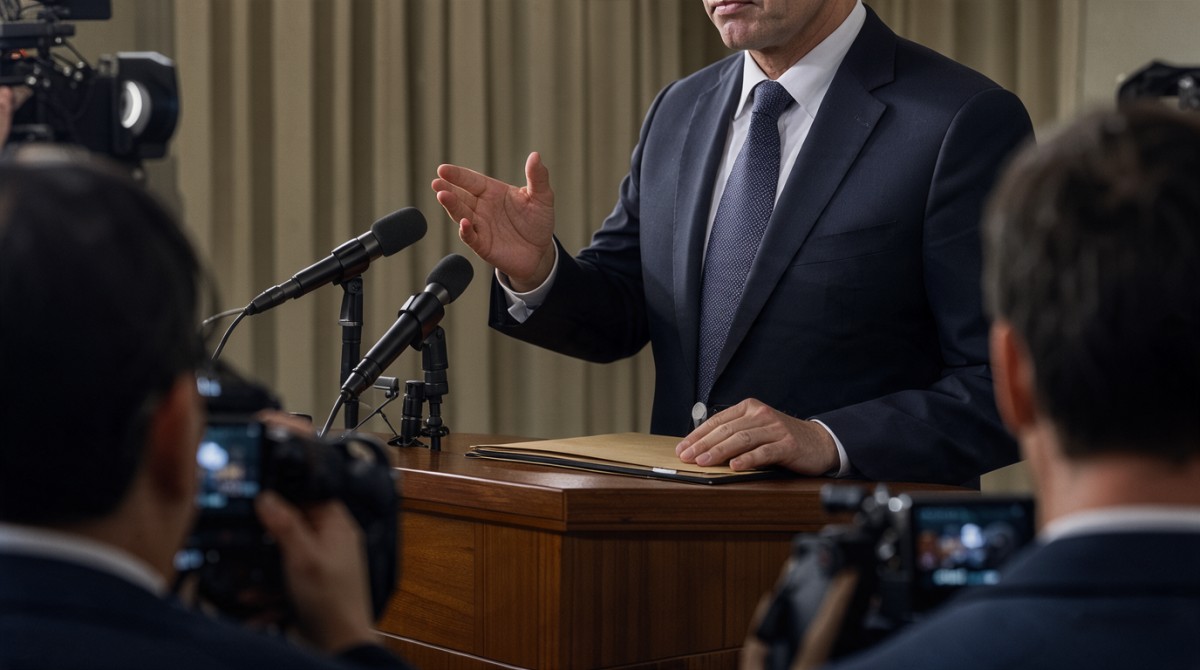
Channel 4’s footage showed Burnham in talks with EU officials, underscoring the diplomatic tone of the visit. The Prime Minister’s emphasis on “keeping the conversation going” aligns with a broader UK strategy that has, over the past two years, sought to soften the most contentious aspects of the Brexit settlement while preserving sovereignty. The new deal, therefore, can be read as a diplomatic bridge, designed to open space for future negotiations on deeper integration.
Public Sentiment: A Nation Still Divided
Georgina Wright, senior fellow at the German Marshall Fund, highlighted that public opinion remains a critical barrier. The FourSight report notes that the question “What does the public think?” is central to any realistic assessment of re‑joining the EU. While the programme does not provide specific polling figures, it suggests that the British electorate is still split, with lingering scepticism about ceding regulatory control and concerns over immigration.
Wright warned that any move towards the customs union or single market would need to be justified to a public that has, for a decade, been exposed to narratives of regained sovereignty. The Prime Minister’s claim that the UK has “lost more than it has gained” may resonate with some, but it also risks alienating voters who view the Brexit decision as a hard‑won victory. The Channel 4 segment implies that the government will need to craft a compelling narrative that frames deeper EU ties as a pragmatic, rather than ideological, choice.
The report also alludes to the political risk of a “reset” being perceived as a back‑track on the 2016 referendum. Burnham’s careful phrasing – “all options on the table” rather than a direct promise – reflects an awareness of this sensitivity. The public’s appetite for further integration will likely be tested in the next general election, where the EU question could become a decisive issue once more.
Timeframes: How Long Would a Return Take?
Professor Anand Menon, director of UK in a Changing Europe, addressed the practicalities of any future EU re‑engagement. In the FourSight interview, he broke down the timeline for re‑joining the customs union, the single market and, ultimately, full membership. While the programme does not provide exact durations, Menon indicated that the process would be “significant” and would involve lengthy negotiations with Brussels.
Re‑entering the customs union would require the UK to align its external tariffs and customs procedures with EU standards, a step that could take several years of technical adjustments and legislative changes. The single market, with its deeper regulatory harmonisation, would be an even more complex undertaking, involving conformity with EU standards on services, competition law and the free movement of goods, services, capital and people.
Menon stressed that any move towards full EU membership would be the most protracted option, requiring a formal accession treaty, ratification by all existing member states and approval by the UK Parliament. Given that Burnham has ruled out a parliamentary move before 2029, the realistic window for any substantive progress appears to be the post‑2029 period, contingent on the outcome of the next election and the political will of a future government.
The Customs Union Option: Benefits and Constraints
The FourSight segment devoted a section to the customs union, outlining its appeal as a pragmatic middle ground. By re‑joining, the UK would regain frictionless trade with the EU’s 27 members, eliminating customs checks at the border and simplifying supply chains that have been disrupted since 2020. This could be particularly attractive to manufacturers and retailers that rely on seamless cross‑border logistics.
However, the report also highlighted the constraints. Membership in the customs union would require the UK to accept the EU’s Common External Tariff, limiting its ability to negotiate independent trade deals with third‑country partners. This trade‑off is a core tension for a government that has championed “global Britain” since the Brexit vote. Burnham’s willingness to explore this option suggests a pragmatic shift, but it also raises questions about the UK’s broader trade strategy.
Wright noted that the customs union could be politically palatable if presented as a “technical fix” rather than a step towards deeper integration. Yet she warned that any perception of surrendering bargaining freedom could provoke backlash from sectors that value the ability to strike independent deals, such as the financial services industry centred in the City of London.
The Single Market: A Deeper Integration Path
Channel 4’s analysis of the single market painted it as the more ambitious, albeit more contentious, route. Access to the single market would grant UK firms unfettered rights to sell services, goods and capital across the EU, potentially revitalising sectors that have struggled with post‑Brexit barriers. Menon argued that this could deliver “significant economic gains” by restoring the seamless flow that underpinned the UK’s trade before 2016.
Yet the single market demands full regulatory alignment, including adherence to EU competition law, state‑aid rules and, crucially, the principle of free movement of people. For a government that has campaigned on “taking back control of our borders”, this represents a substantial political compromise. The FourSight report suggests that any move towards the single market would need to be accompanied by a robust domestic narrative that frames the loss of immigration control as a necessary sacrifice for economic prosperity.
The programme also hinted at the strategic calculus: re‑joining the single market could be a stepping‑stone towards full EU membership, signalling to Brussels a willingness to deepen ties. However, it would also lock the UK into a policy framework that limits unilateral regulatory divergence, a point that could be a sticking‑point in negotiations with the EU and a source of domestic controversy.
Likelihood and Political Calculus: What Are the Chances?
When asked to assess the probability of any of these options materialising, both experts offered cautious appraisals. Wright described the prospect of a full EU re‑entry as “low in the short term” given the current parliamentary timetable and the political sensitivities surrounding the issue. Menon echoed this, noting that while the “all options on the table” rhetoric keeps the debate alive, concrete steps are unlikely before the next election cycle.
The FourSight report underscores that the UK’s future relationship with the EU will be shaped by a combination of economic imperatives, public opinion and the political fortunes of Burnham’s party. The Prime Minister’s Brussels visit has re‑energised the conversation, but the path to any deeper integration remains fraught with hurdles. The EU itself, while not directly quoted in the video, is implied to be open to dialogue, yet any move towards the customs union or single market will require concessions that could be politically costly at home.
In sum, Burnham’s “reset” marks a notable shift in tone from the hard‑line Brexit stance of the past decade, but the practicalities of re‑joining the EU – whether through the customs union, the single market or full membership – remain a distant prospect. The next few years will see whether this diplomatic overture translates into substantive policy change or remains a symbolic gesture aimed at softening the legacy of Brexit for a nation still divided on its place in Europe.
By Erica Thornton, Staff Writer
This article was produced with AI-assisted research and editorial support. Reporting is based on the source material cited below. Sources: Channel 4 News video report (20 November 2026); Channel 4 News; Global1.News
What's Your Reaction?
 Like
0
 Dislike
0
 Love
0
 Funny
0
 Wow
0
 Sad
0
 Angry
0

US Politics and Policy Correspondent at Global1.News. Based in Washington DC, covering American politics, policy, elections, and the courts. Knows how the system works and tells you what it actually means.














Comments (0)