
Florida pastor found guilty over role in assassination of Haitian president
In a courtroom in Miami, a 67‑year‑old pastor from Florida was found guilty on all eight counts that prosecutors say tied him to the murder of Haiti’s president, Jovenel Moïse.
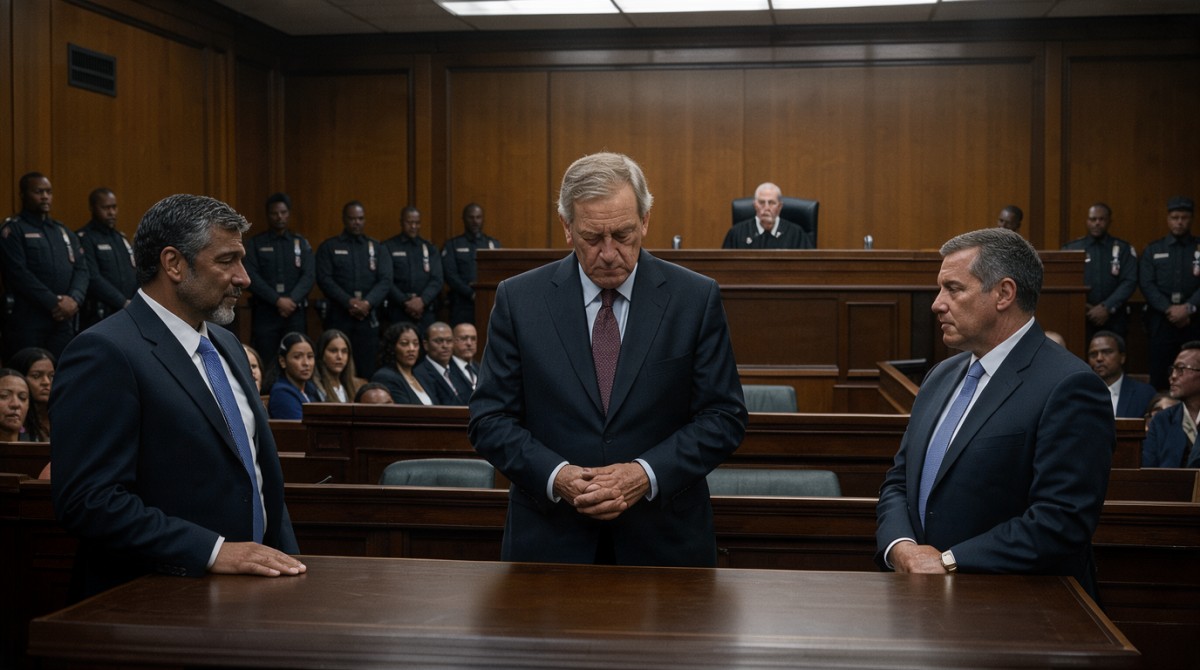
In a courtroom in Miami, a 67‑year‑old pastor from Florida was found guilty on all eight counts that prosecutors say tied him to the murder of Haiti’s president, Jovenel Moïse. Christian Emmanuel Sanon, a dual US‑Haitian national, was convicted of conspiracy to kill or kidnap a person, among other charges, and now faces a potential life sentence. The verdict, delivered after an eight‑week federal trial, marks a pivotal moment in a saga that has left Haiti without a leader for five years and has deepened the nation’s spiral of gang‑driven violence.
The trial and its verdict
Sanon’s trial, held in federal court in Miami, lasted eight weeks and culminated on a Wednesday when the jury returned guilty verdicts on every charge. The prosecution painted a picture of a man with “political aspirations” who, in April 2021, met with a network of co‑conspirators to plot an armed raid on the presidential palace in Port‑au‑Prince. The defense, as reported by Sanon’s lawyer, maintains his innocence and vows to appeal the decision.
The conviction includes the most serious charge—conspiracy to kill or kidnap a person—directly linking Sanon to the July 6, 2021 attack that left Moïse dead and his wife, Martine, severely injured. While the sentencing has yet to be set, the potential for a life‑long prison term underscores the gravity of the crime and the U.S. justice system’s willingness to pursue foreign‑linked conspiracies on its soil.
Sanon’s alleged role in the plot
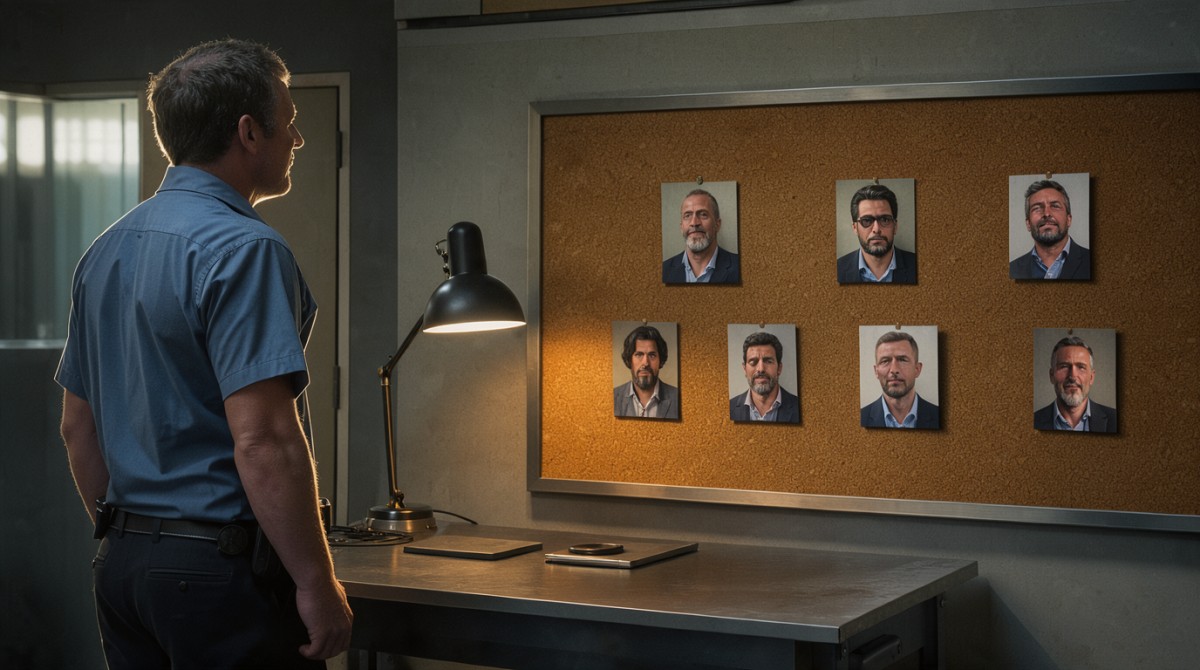
According to prosecutors, Sanon was not a peripheral figure. He allegedly helped devise a plan to replace Moïse with himself in 2021, hoping to funnel lucrative contracts to a Florida‑based security outfit once in power. The plan, however, shifted when co‑conspirators recognized that Sanon lacked the constitutional qualifications and popular support to become Haiti’s president. The plot then morphed from a coup to outright assassination.
The prosecution also highlighted Sanon’s connections to the Counter Terrorist Unit (CTU), a pair of companies—Counter Terrorist Unit Federal Academy and Counter Terrorist Unit Security—whose heads were said to finance the operation in exchange for future government contracts. The CTU’s involvement points to a broader network of financial and logistical support that extended beyond Haitian borders, linking American security firms to the mercenary assault on the Haitian capital.
The mercenary assault that killed Moïse
On 6 July 2021, a group of Colombian mercenaries stormed the presidential palace in Port‑au‑Prince, opening fire on President Moïse and his wife. Martine Moïse later described how the assailants “riddled” her husband with bullets. The attack resulted in Moïse’s death and left the nation without a head of state, plunging Haiti into a power vacuum that has persisted for half a decade.
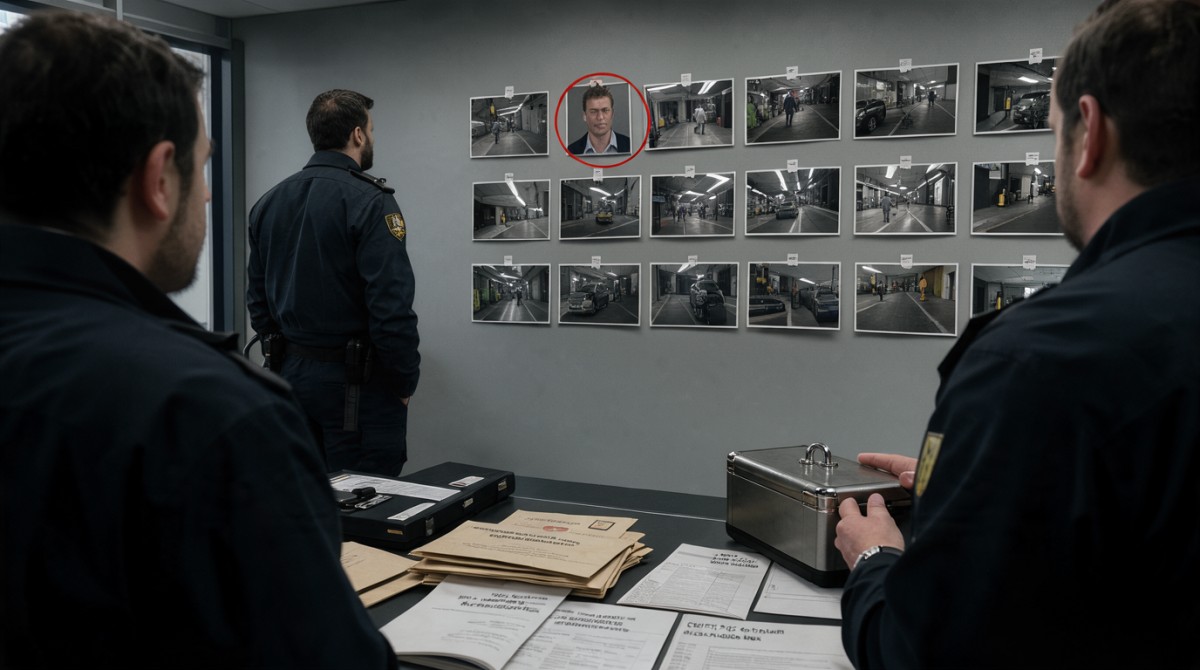
The ease with which the mercenaries accessed the palace raised alarm across Haiti and the international community. Investigators later uncovered that the conspirators had coordinated funding, weapons, and the mercenaries themselves, pointing to a sophisticated operation that leveraged both local and foreign resources. The incident has become a stark illustration of how external actors can exploit Haiti’s fragile institutions.
Impact on Haiti’s security landscape
Moïse’s assassination intensified the already dire security crisis in Haiti, the poorest nation in the Americas. The power vacuum emboldened gangs that have long terrorised neighborhoods, slums, and even some rural areas. A United Nations report cited more than 5,700 people killed or injured in the year to 11 September, reflecting a sharp escalation in violence.
In response, a multinational force was deployed, yet it has struggled to penetrate territories where gangs hold sway. The continued instability has hampered any meaningful governance and left ordinary Haitians caught in a cycle of fear, displacement, and economic hardship. The assassination, therefore, is not just a political event but a catalyst that deepened a humanitarian crisis.
Legal fallout and ongoing investigations
Beyond Sanon, dozens of individuals have been implicated in the conspiracy. Haitian authorities arrested several co‑conspirators, and three mercenaries were killed in a gun battle with police. In September, eighteen suspects were transferred to Florida to face trial, and four men—including the heads of the CTU—were convicted earlier this year. Sanon’s case had been delayed previously due to health reasons, but it now proceeds amid growing scrutiny of how foreign‑based actors can influence Haitian politics.
The Department of Justice’s involvement underscores a broader trend of U.S. authorities pursuing transnational criminal networks that intersect with political violence. While the convictions represent a measure of accountability, they also expose the challenges of dismantling a web that stretches across borders, involving security firms, mercenaries, and political operatives.
The political vacuum and upcoming elections
With Haiti still without a president, the nation is gearing up for a presidential election scheduled for next year. Martine Moïse, who survived the attack and suffered injuries, announced her intention to run. Her candidacy adds a personal dimension to the political contest, as she seeks to carry forward her late husband’s legacy while navigating a landscape marred by violence and mistrust.
The election will occur against a backdrop of heightened insecurity and a populace weary of corruption and foreign interference. Observers note that the outcome could shape Haiti’s trajectory for years to come, either opening a path toward stability or deepening the cycle of instability if the new leadership cannot assert control over armed groups.
Reflections on foreign involvement and Haitian sovereignty
The Sanon case highlights a troubling pattern: foreign actors, including American security firms and mercenaries from neighboring countries, have found avenues to intervene in Haiti’s internal affairs. For many Haitians, this fuels resentment toward external powers that appear more interested in profit than in the well‑being of the Haitian people.
As a journalist rooted in Latin America, I see this episode as a reminder that the region’s histories are riddled with external meddling that often exacerbates local crises. Haiti’s struggle for sovereignty is not merely a political battle; it is a fight for dignity against a tide of exploitation. The convictions in Miami may bring some measure of justice, but the deeper challenge remains: building a Haiti that can resist foreign plunder and chart its own future, free from the shadow of mercenary violence and the profit‑driven ambitions of outsiders.
This article was produced with AI-assisted research and editorial support. Reporting is based on the source material cited below. Sources: BBC News Latin America; bbc.co.uk; Global1.News (20 November 2026).
By Elena Vasquez, Staff Writer
What's Your Reaction?
 Like
0
 Dislike
0
 Love
0
 Funny
0
 Wow
0
 Sad
0
 Angry
0

Latin America Correspondent at Global1.News. Based in Mexico City, covering politics, economics, energy, and culture across the region. Brings an on-the-ground perspective to stories spanning from the Rio Grande to Patagonia.












Comments (0)