
Venezuela Earthquakes: 4,490 Dead, 17,907 Homeless After Twin Quakes Destroy Baseball Heartland
Twin quakes (7.2/7.5) killed 4,490+ in Venezuela, left 17,907 homeless amid 1,200 aftershocks. Focus on 12-year-old shortstop Yeferson Seijas and family in La Guaira tent camp; government criticized by Delcy Rodríguez opponents. Baseball culture and trainer Franklin Longa highlighted.
The earthquakes that struck Venezuela have killed at least 4,490 and left 17,907 homeless, with over 1,200 aftershocks continuing to rattle La Guaira. Young shortstop Yeferson Seijas and his family now navigate tent cities, contaminated water, and inadequate government aid while holding onto baseball ambitions amid the rubble. The crisis underscores long-standing systemic vulnerabilities exposed by the disaster.
Earthquakes Shatter Venezuela's Baseball Heartland
Atlanta, GA – July 16, 2026 — Two consecutive earthquakes measuring 7.2 and 7.5 struck northwestern and central Venezuela on June 24, 2026, with epicenters in Veroes Municipality west of San Felipe in Yaracuy state. The death toll stands at least 4,490 as of July 12, while 17,907 people remain homeless. More than 1,200 aftershocks have rattled the region since. Hardest hit is the coastal state of La Guaira, a baseball-obsessed corner of the country where the sport runs deeper than politics or promises. Acting President Delcy Rodríguez leads a response that Venezuelans on the ground describe as slow and inadequate.
The Quake That Hit Hard
The 7.2 and 7.5 shocks arrived without warning on June 24. Walls buckled, floors vanished, and entire blocks in La Guaira came down in seconds. By July 12 the confirmed dead reached 4,490. Another 17,907 people lost their homes. Over 1,200 aftershocks have kept nerves raw. The hardest-hit zone sits along the coast where baseball fields once hosted nightly games. Now those same fields host rows of tents and portable toilets.
The first 7.2 quake struck along the Boconó fault system in Veroes, Yaracuy state, followed minutes later by the 7.5 event on an adjacent segment, triggering a cascading rupture that amplified ground shaking across La Guaira. Historical records show similar paired events in the region dating to the 19th century, yet modern building codes remained unenforced amid economic turmoil, turning routine structures into lethal hazards.
A Young Shortstop's Narrow Escape
Yeferson Seijas, 12, was walking into a bakery with a friend when he realized they had dropped a debit card. They turned back to look. In those seconds the bakery collapsed. The floor of his family's apartment gave way. His parents and five siblings made it out as the stairs disintegrated beneath them. Appliances, furniture, electronics, shoes, uniforms, bats, mitts, and trophies all vanished. Yeferson's financial backer, who also owned his youth team, died in the quake. His jersey still reads "United, we are stronger."
A gifted shortstop known for his quick reflexes and strong arm, Yeferson played for a local youth squad backed by his late sponsor and trained regularly at the now-abandoned Guaracarumbo stadium, a once-vibrant facility that drew scouts from Caracas academies before the crisis left it overgrown and unused.
Loss and Survival in La Guaira
The Seijas family once believed the ruling party's economic promises in the 2000s and earned a home. A decade ago the economy collapsed. The eight-member family fled to Peru, then returned on a pandemic repatriation flight to protect that home. On June 24 the home collapsed anyway. Yeferson's mother, Elisabeth Pacheco, said, "He has cried a lot. He has been very sad." His father, Anthony Seijas, found him in the street after the quake. The boy now says only one thing: "I want to provide for my family. I want to buy my mom a house."
Having invested years in the promised stability of their La Guaira residence after returning from Peru, the family watched their modest asset—symbol of earlier government incentives—reduce to rubble in seconds, erasing both shelter and the modest equity that once anchored their future.
Tent City on the Baseball Field
Roughly 500 people now live on a fly-infested baseball field in Playa Grande, about two miles from the old stadium. Tents and tarps cover mattresses. Portable toilets line the baselines. Families collect untreated river water, risking gastrointestinal infections. Boys Yeferson grew up playing with are injured, orphaned, dead, or missing. The abandoned Guaracarumbo stadium, once a training ground for elite prospects, now stands empty except for the few who still show up to throw.
Save the Children has warned that the lack of clean water and sanitation in these camps could trigger outbreaks of cholera and other infections among the 500 displaced residents, many of them children already weakened by months of food shortages.
Baseball's Deep Roots in Venezuela
Baseball arrived in Venezuela through U.S. energy companies that built fields near oil camps in the early 20th century. The sport became central to La Guaira culture. Venezuela beat the United States to win the 2026 World Baseball Classic. Roughly 40,000 children remain in organized leagues, down from 80,000 in 2005 after COVID and the broader crisis. Elite 12-year-olds still eye academies that can lead to professional contracts at 16 with multi-million-dollar signing bonuses. Seven million seven hundred thousand Venezuelans have already left the country due to economic collapse.
Stars such as Miguel Cabrera, Félix Hernández, and Salvador Pérez emerged from these same fields, underscoring Venezuela's outsized MLB impact even as participation halved and the 2026 WBC victory offered fleeting national pride amid the downturn.
The loss of young prospects like Yeferson and his teammates represents a profound talent drain, stripping local communities of role models, economic hope, and organized leagues while disrupting MLB scouting networks that once relied on these pipelines for future stars.
Criticism Mounts Against Officials
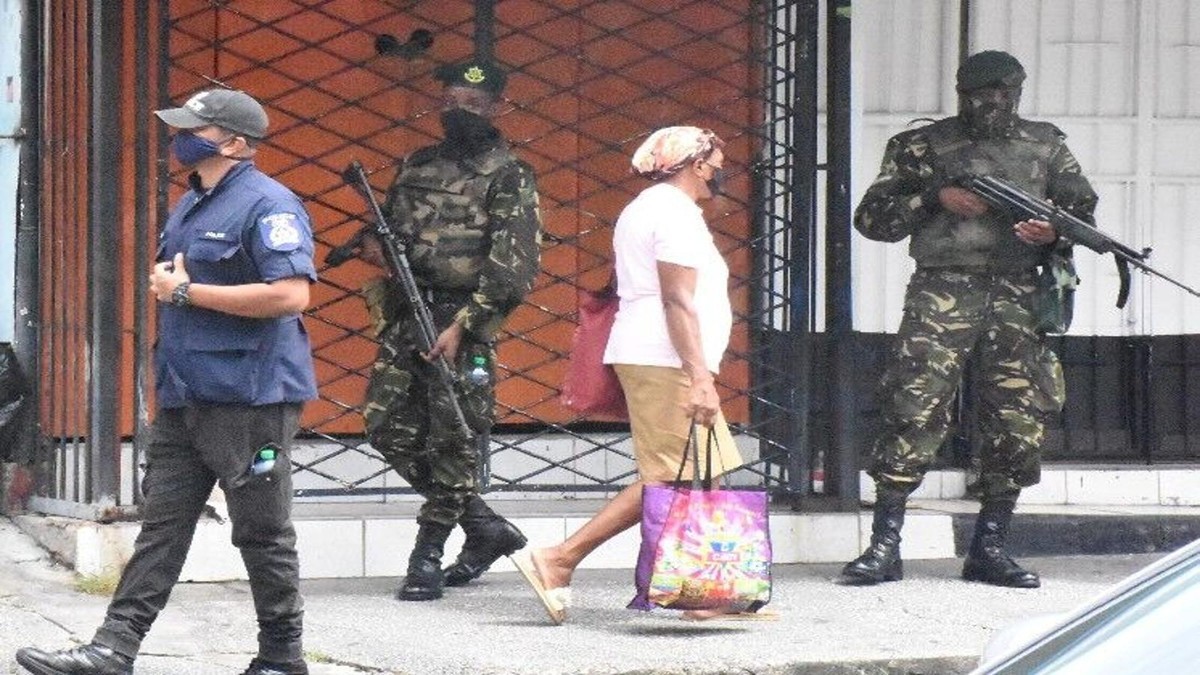
Acting President Delcy Rodríguez's government has drawn sharp criticism for slow aid delivery. Families in La Guaira report waiting days for basic supplies while aftershocks continue. The gap between official statements and conditions on the ground has widened with every aftershock. No new shelters or water systems have appeared at the scale required for 17,907 homeless residents.
New York Times reporting captured widespread Venezuelan frustration with the response, noting that citizens voiced complaints despite the risk of imprisonment under laws targeting public dissent during the crisis.
The government's response appears even more inadequate when compared to prior disasters, revealing systemic failures in infrastructure and public services under the current administration; the death toll could rise further as search and rescue operations continue amid the rubble.
Voices from the Diamond
Trainer Franklin Longa, who has worked with Maikel Garcia of the Kansas City Royals and Ronald Acuña Jr. of the Atlanta Braves, watched Yeferson's situation unfold. "It hurts us all to the core," Longa said. The boy's lost backer, the destroyed equipment, and the makeshift camp on the field represent more than one family's loss. They reflect an entire generation of prospects whose paths have been blocked by rubble and neglect.
Longa's decades coaching at Guaracarumbo helped launch careers including Garcia's steady infield play and Acuña's explosive power, making the trainer's account of lost prospects especially poignant as infrastructure crumbles.
What This Means
The earthquakes exposed how fragile Venezuela's remaining institutions have become. When 4,490 people die, 17,907 lose homes, and 1,200 aftershocks keep coming, the absence of effective response turns a natural disaster into a prolonged human crisis. Yeferson Seijas still wants to buy his mother a house through baseball. That single ambition now stands against collapsed homes, contaminated water, and a system that has already driven millions abroad. The numbers—7.2, 7.5, 4,490 dead, 17,907 homeless—will not change without action that matches the scale of the damage. Until then, the fields of La Guaira remain both shelter and reminder of what was lost.
Without swift rebuilding of both physical infrastructure and youth programs, Venezuela risks losing another generation of talent to emigration or despair, deepening the demographic and cultural wounds already inflicted by years of crisis.
By Jessica Ali, Staff Writer
This article was produced with AI-assisted research and editorial support. Reporting is based on sources cited in the article.
What's Your Reaction?
 Like
0
Like
0
 Dislike
0
Dislike
0
 Love
0
Love
0
 Funny
0
Funny
0
 Wow
0
Wow
0
 Sad
0
Sad
0
 Angry
0
Angry
0

Editor-in-Chief at Global1.News. Atlanta-based journalist who cuts through the BS and tells it like it is. Lead anchor, host, and the voice you hear when the spin stops and the truth starts.









Comments (0)