
Bangkok Shelter Calls for Lifelong Pet Commitment
Bangkok's Prawet Animal Shelter, modernized in 2024, runs the BKK Adopter programme offering about 50 dogs and 30 cats. Staff enforce strict vetting and urge lifelong commitment, reflecting Thai Buddhist values of metta. The BMA continues CNVR work citywide.
Bangkok Shelter Urges Lifelong Commitment as Dog Adoptions Surge
Bangkok, Thailand — In Bangkok's southeastern Prawet district, the city's longstanding animal shelter has become the quiet center of a growing movement, where rising adoption requests are met with firm reminders that every rescued dog or cat deserves a permanent home. As families respond to the BKK Adopter programme's call, shelter leaders stress that true compassion means planning for an animal's entire life, not just the first joyful weeks. This gentle insistence echoes Thailand's deep-rooted values of care and responsibility toward all living beings.
The Enduring Legacy of Prawet Animal Shelter
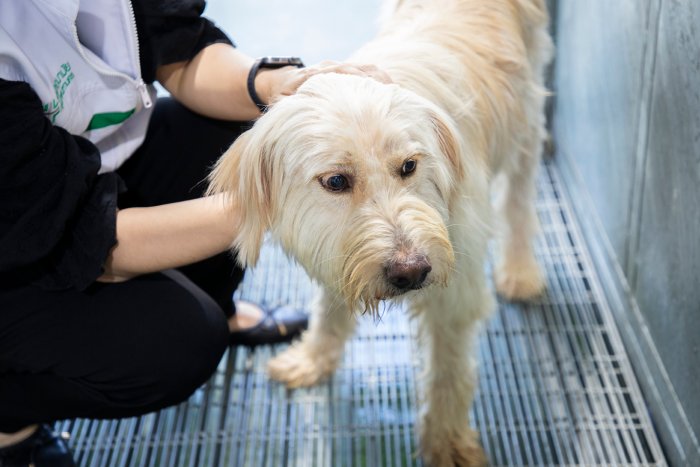
Established in 1997 as a rabies quarantine station on thirteen rai of land near the Samut Prakan border, the Prawet facility has grown into a vital sanctuary for hundreds of animals. Today it provides refuge to roughly two hundred dogs and three hundred cats under the Bangkok Metropolitan Administration's Public Health Veterinarian Office. Over nearly three decades the shelter has witnessed countless stories of abandonment and recovery, each one reinforcing the quiet strength of community support in caring for those who cannot speak for themselves.
Its location in a rapidly developing district has allowed the shelter to serve both urban families and nearby rural communities. Many residents still remember when the site was little more than basic holding pens; today it stands as a symbol of steady progress. The shelter's long history also mirrors Thailand's evolving relationship with stray animals, moving from simple containment toward genuine rehabilitation and family integration.
Recent Modernization Transforms Care Standards
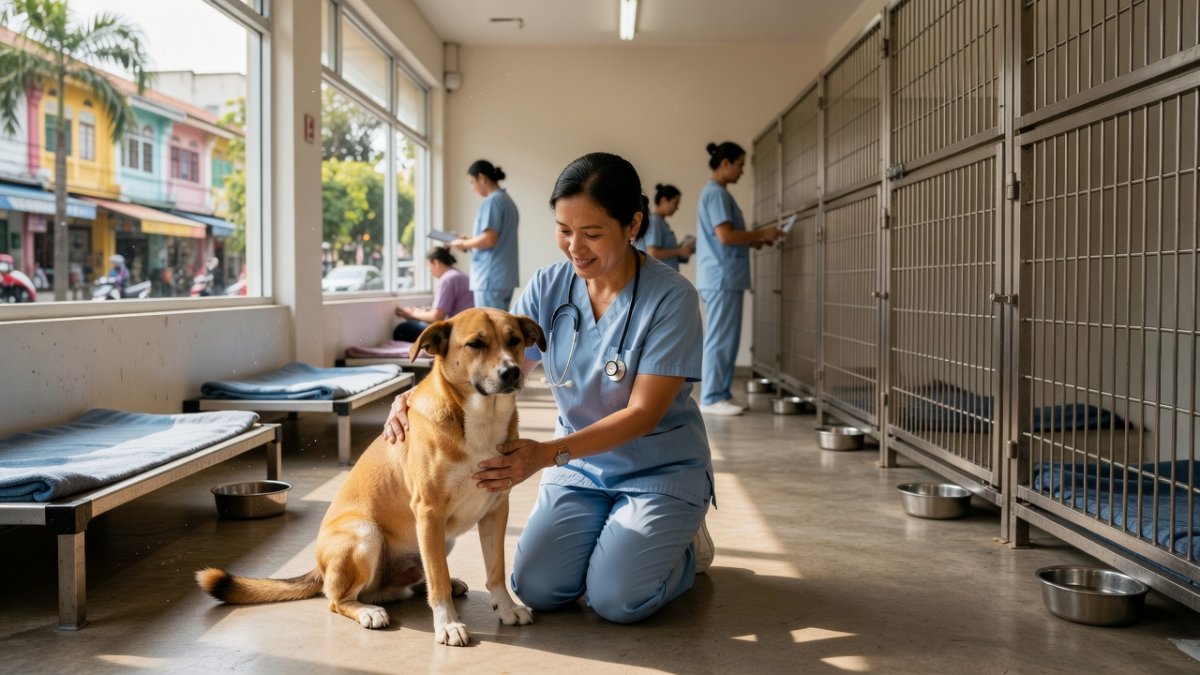
Around 2024 the shelter completed a thoughtful redesign that introduced clearer zones for different needs. New registration offices now greet arriving animals with calm efficiency, while a spacious lawn offers daily opportunities for exercise and gentle play. Divided kennels separate puppies from seniors, aggressive cases from those needing quiet recovery, creating an environment that respects each animal's individual story.
These upgrades reflect a broader shift in how Thai authorities approach animal welfare. Better screening processes help staff identify health issues early, reducing stress for both animals and caregivers. The improvements also make the shelter more welcoming to visitors, encouraging the kind of community involvement that has long been central to Thai village life.
Launch of the BKK Adopter Programme
In early 2026 the Bangkok Metropolitan Administration introduced the BKK Adopter programme, currently showcasing about fifty dogs and thirty cats ready for new homes. Every animal receives full sterilization and vaccination before placement. Sterilized dogs carry a small "N" mark on the ear, while cats receive a discreet tattoo on the belly, simple signs that help future caregivers understand an animal's medical history.
The programme has sparked fresh interest among Bangkok families seeking meaningful ways to open their hearts and homes. Yet shelter staff gently remind applicants that adoption is not a passing gesture but a lifelong promise. This message resonates deeply with Thai Buddhist teachings on metta, or loving-kindness, which encourage extending compassion without expectation of return.
Ensuring Lifelong Homes Through Strict Screening
Prospective adopters must complete detailed questionnaires, allow home visits, and demonstrate financial readiness to care for an animal through old age. These steps may feel thorough, yet they protect both the animal and the family from future hardship. Staff explain that many well-meaning people underestimate the daily costs of food, medical care, and attention that a pet requires over ten or fifteen years.
Thai family values place great importance on collective responsibility, and the screening process mirrors this cultural emphasis on thoughtful planning. By ensuring that only prepared households receive animals, the shelter helps build stable, lasting bonds that benefit entire neighborhoods. Such care also prevents the cycle of re-abandonment that once troubled many communities.
Preparing Animals for Their Forever Families
While most visitors naturally gravitate toward puppies and kittens, the shelter invests special attention in older dogs. Animals over six months old receive training in basic commands such as sit, stay, give paw, and wait. These simple skills help them adjust more smoothly to new households and reduce the chance of misunderstandings once they leave the shelter.
Dr. Anchalee Thueansukhon, a veterinarian with fifteen years at the facility, often tells families that knowledge, space, and steady resources are essential for lifelong care. Her colleague, Dr. Pacharaorn Somboonvijitr, adds that adopting an animal is ultimately "a responsibility for a life." Their gentle guidance reflects the Thai understanding that merit-making through compassionate action brings blessings not only to the giver but to the wider community.
Partnerships Extend Reach Beyond Bangkok
The shelter maintains close ties with local NGOs, charitable foundations, and private companies that donate supplies and volunteer time. When an animal requires extended medical attention or specialized rehabilitation, staff arrange transfer to a larger facility in Uthai Thani province. This network ensures that no creature is left without options, embodying the Thai spirit of helping one another across distances.
Community involvement has grown steadily, with schools and temples occasionally organizing visits that teach children the value of kindness toward animals. Such partnerships strengthen social bonds and spread awareness that caring for strays is a shared civic duty rather than an individual burden.
Addressing Stray Populations with Compassionate Strategies
Four main categories of complaints reach the shelter each month: aggressive behavior, suspected rabies, situations requiring NGO fieldwork, and outright abandonment. In response, the team runs the CNVR programme — Catch, Neuter, Vaccinate, and Return — for community dogs and cats. The goal is simple yet profound: animals that are safe for people, safe for themselves, limited in number, and protected against disease.
Bangkok currently estimates around one hundred thousand stray dogs citywide. Under Governor Chadchart Sittipunt's administration, registration and microchipping campaigns are expanding to help track and protect these animals. These efforts align with traditional Thai respect for all living beings and aim to reduce suffering through prevention rather than punishment.
Cultural Roots of Compassion in Thai Society
Buddhist principles of metta and the practice of tam boon, or merit-making, deeply influence how many Thais view animal welfare. Caring for a rescued dog or cat is often seen as an act that generates positive karma for the entire household. This spiritual dimension adds warmth to the practical work of the shelter, reminding staff and adopters alike that every act of kindness ripples outward.
Within Thai families, pets frequently become beloved members who teach children empathy and responsibility. When a shelter animal joins such a home, the bond strengthens community ties and models the gentle stewardship that has long characterized village life across Thailand. The Prawet shelter's insistence on permanent placement honors these values in the most tangible way.
What to Watch For
Observers should note whether adoption numbers continue rising through 2027 and how the shelter adapts its training programmes to meet new family needs. Expansion of microchipping across Bangkok's districts may also influence how quickly stray populations stabilize. Finally, increased collaboration between the BMA and provincial sanctuaries could set a regional example for other ASEAN cities facing similar challenges.
 By Ann Srisawat, Staff Writer
This article was produced with AI-assisted research and editorial support. Reporting is based on sources cited in the article.
What's Your Reaction?
 Like
0
Like
0
 Dislike
0
Dislike
0
 Love
0
Love
0
 Funny
0
Funny
0
 Wow
0
Wow
0
 Sad
0
Sad
0
 Angry
0
Angry
0

Southeast Asia Correspondent at Global1.News. Based in Bangkok, covering Thai and Southeast Asian politics, economy, technology, and culture. Deep regional perspective on one of the world's most dynamic regions.















Comments (0)