
US-Iran Hormuz Shipping Talks Advance Without Final Agreement
Rubio says US talks with Iran and Oman on reopening the Strait of Hormuz have made progress, while Bessent signals a deal could come within days. Oil prices fell to a three-week low as Tehran denies negotiations and hundreds of ships await passage.
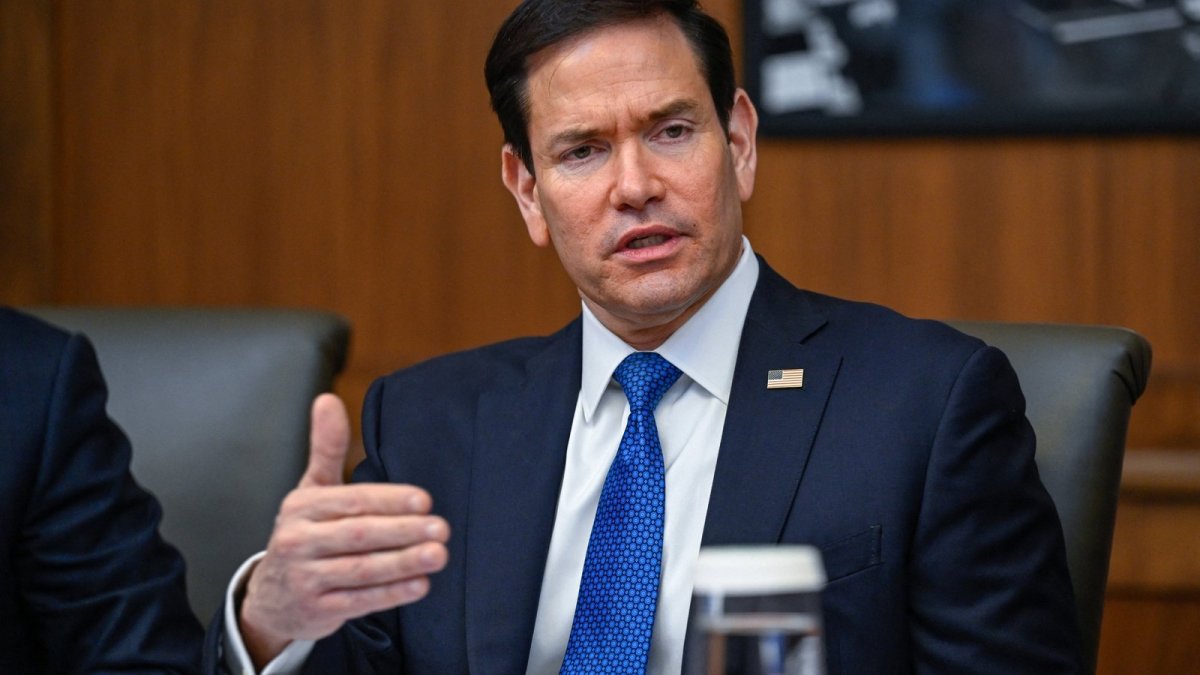
The United States and Iran are edging closer to an arrangement that could reopen the Strait of Hormuz to commercial shipping, a development that carries direct consequences for Gulf energy security and global oil supplies. The waterway remains a critical chokepoint between Iran and Oman, and any sustained reopening would ease pressures that have built since the blockade began after the late-February US-Israeli assault.
Diplomatic Signals from Washington
US Secretary of State Marco Rubio stated on Tuesday that discussions with Iran and Oman on increasing commercial shipping through the Strait of Hormuz have produced progress, though no final agreement has been reached. Speaking at the State Department, Rubio told reporters that the parties are "hoping that will happen very shortly." US Treasury Secretary Scott Bessent added that a deal could come as soon as Wednesday, citing ongoing talks with Iranian counterparts.
Statements from senior US officials underscore measured advancement in efforts to address the Strait of Hormuz closure that began after the late-February US-Israeli assault. Rubio emphasized progress achieved in talks without reaching finality, while expressing hope for resolution in the near term. Bessent highlighted the possibility of an agreement emerging within days to restore freedom of movement, explicitly ruling out any Iranian toll mechanism. These comments coincide with Oman's mediation role and reflect Washington's calibrated approach amid ongoing military exchanges that included strikes on Iranian targets and Iranian responses against US facilities in Jordan, Bahrain, and Kuwait. Such signals connect to wider Gulf dynamics where Saudi Arabia, the UAE, and Qatar hold direct interests in lowered insurance premiums and resumed tanker traffic.
Market observers noted that these diplomatic remarks contributed to oil prices reaching a three-week low on Tuesday, as reported by Bloomberg following Bessent's remarks. The cautious tone from Washington avoids premature declarations of success, consistent with stalled June memorandum of understanding negotiations over security guarantees and navigation rights. This approach also accounts for Iran's economy under sanctions, where oil exports remain a critical revenue source affecting OPEC+ balances. By maintaining pressure while signaling openness, US diplomacy seeks to navigate the complex interplay of energy markets and regional stability without conceding leverage prematurely.
President Trump's Position on Mixed Signals
President Donald Trump accused Iranian leaders of sending mixed signals, noting that Tehran has privately sought talks to end the conflict while publicly denying negotiations. He reiterated that pressure on Iran would continue unless it agrees to a deal or what he described as "total surrender." These comments followed the June memorandum of understanding between Washington and Tehran that launched the current round of negotiations.
President Trump's Monday remarks framed Iranian communications as inconsistent, maintaining that pressure would persist absent a deal or total surrender. He indicated the waterway could reopen within hours once threats of a massive military strike were withdrawn, tying any outcome directly to verifiable Iranian actions. This stance builds on the blockade's origins after the late-February assault and subsequent military exchanges, positioning the United States to leverage both economic sanctions and military readiness. The position aligns with historical patterns of US responses to Hormuz disruptions, where freedom of navigation has remained a core priority amid Iran's reliance on oil revenues.
Trump's emphasis on mixed signals reflects broader strategic calculations involving Iran's proxies and nuclear program, even as talks mediated by Oman continue. By conditioning relief on concrete steps, the approach seeks to influence Tehran's calculations regarding tanker traffic and insurance costs that directly affect Gulf producers. This posture also intersects with Abraham Accords dynamics, where normalized relations among certain Arab states and Israel could be tested by prolonged Hormuz instability. The insistence on verifiable outcomes underscores Washington's determination to avoid partial measures that might leave energy markets vulnerable.
Iran's Official Response and Recent Incident
Iran's Foreign Ministry has denied that negotiations with the United States are taking place. Spokesperson Esmail Baghaei stated that Tehran is "not currently negotiating with the United States." On Tuesday, an unknown projectile struck a cargo ship in the Strait of Hormuz, underscoring the continued tension even as US officials express optimism about a possible agreement.
Iran's Foreign Ministry denial of current negotiations with the United States, delivered by spokesperson Esmail Baghaei, stands in contrast to reported diplomatic activity. This position follows Tuesday's incident in which an unknown projectile struck a cargo ship in the Strait of Hormuz, adding uncertainty to the hundreds of vessels awaiting transit. The denial occurs against the backdrop of the June memorandum of understanding that launched talks later stalled over security guarantees, illustrating Tehran's effort to control the narrative amid domestic economic pressures from sanctions.
The projectile incident introduces additional complexity to efforts aimed at restoring normal traffic through a waterway carrying roughly one-fifth of globally traded crude oil. Iran's stance may reflect internal debates over concessions on freedom of navigation while preserving leverage in ongoing regional competition. Gulf states monitoring these developments recognize that prolonged uncertainty elevates insurance costs and disrupts their diversification plans, even as Oman continues its mediating function between the parties.
Background to the Current Standoff
The present talks follow a sequence of escalation that began after the late-February US-Israeli assault. Iran blockaded the Strait of Hormuz, prompting the United States and Iran to exchange military strikes. Washington targeted sites inside Iran, while Tehran responded by striking what it described as US military facilities in Jordan, Bahrain, and Kuwait. The June memorandum of understanding aimed to move toward a final agreement, but talks later stalled over security guarantees and freedom of navigation through the strait.
The blockade originated after the late-February US-Israeli assault, triggering a cycle of military strikes in which Washington targeted sites in Iran and Tehran responded against US facilities in Jordan, Bahrain, and Kuwait. Negotiations initiated through the June memorandum of understanding subsequently stalled on core issues of security guarantees and freedom of navigation, with Oman serving as mediator. This sequence echoes earlier periods of Hormuz tension, including the 1980s Tanker War and 2019 tanker attacks, where control over the passage directly influenced global energy flows.
Both sides' positions remain shaped by Iran's dependence on oil exports under sanctions and the strategic value of the strait to Gulf producers. The involvement of multiple regional actors highlights how Sunni-Shia competition and great power interests intersect with immediate questions of tanker access. Resolving the standoff requires addressing these layered concerns without undermining the economic interests of Saudi Arabia, the UAE, and Qatar in stable insurance markets and resumed shipments.
Effects on Global Energy Markets
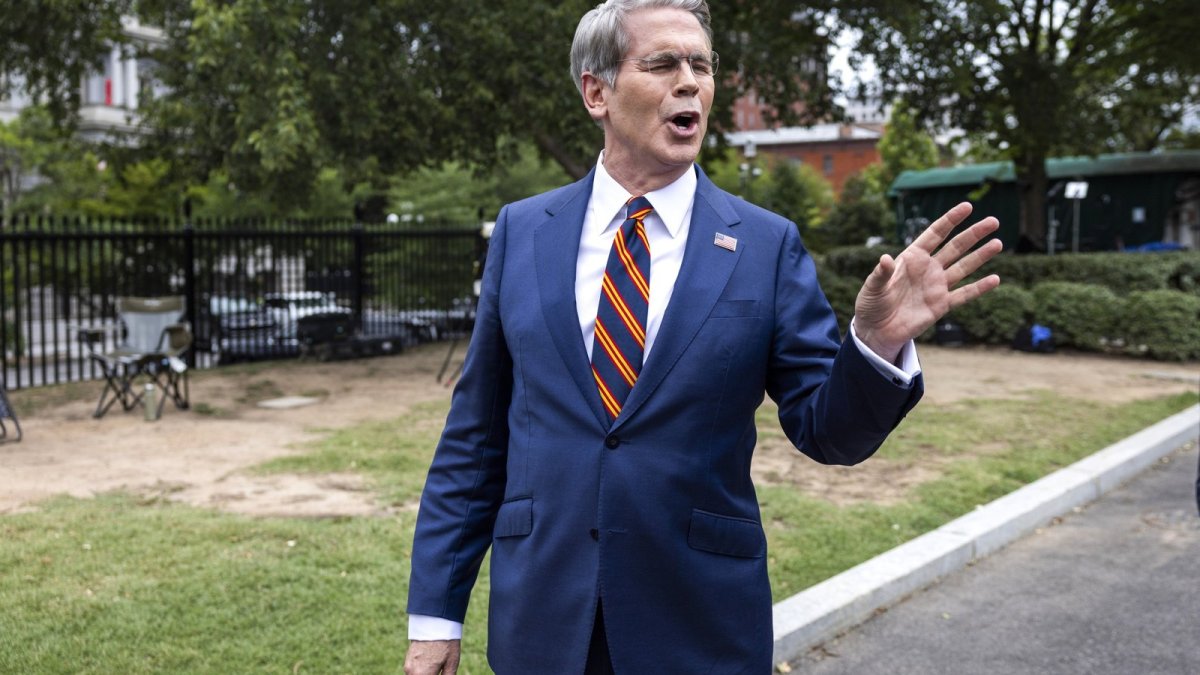
Oil prices fell to a three-week low on Tuesday as senior US officials raised hopes for reopening the waterway. Treasury Secretary Bessent noted that hundreds of ships are waiting to transit and said even limited movement in recent days has already occurred. He expressed confidence that a deal would allow energy prices to settle, benefiting markets worldwide. The potential reopening is viewed as a step toward stabilizing supplies that pass through this key route.
Strategic Interests of Both Sides
Each party brings distinct leverage to the table. Iran maintains control over the narrow waterway and can influence shipping volumes, while the United States seeks to stabilize energy prices and prevent wider regional conflict. Bessent indicated that any arrangement would emphasize freedom of movement rather than allowing Iran to charge tolls on vessels. The outcome will shape whether the current de-escalation efforts can hold or whether renewed friction emerges over navigation rights.
Regional Implications for Gulf States and Beyond
Oman has played a mediating role in the shipping discussions, reflecting its geographic position along the strait. Gulf states including Saudi Arabia, the UAE, and Qatar have direct stakes in resumed tanker traffic and lower insurance costs. The situation also intersects with OPEC+ dynamics, as sustained closure has already affected production and export planning across the region. A workable deal could reduce immediate risks of further military exchanges while leaving longer-term questions about security guarantees unresolved.
Historical Context and Stakes for Stability
Past Hormuz crises, including the 1980s Tanker War and the 2019 tanker attacks, illustrate how disruptions in this corridor quickly affect global energy flows and regional alliances. The current episode follows the same pattern, with the added element of direct US-Iran military exchanges. What remains at stake is whether the talks can produce a durable arrangement that restores shipping volumes without triggering new rounds of confrontation or drawing in additional actors across the Gulf and beyond.
By Malik Hassan, Staff WriterThis article was produced with AI-assisted research and editorial support. Reporting is based on sources cited in the article.
What's Your Reaction?
 Like
0
Like
0
 Dislike
0
Dislike
0
 Love
0
Love
0
 Funny
0
Funny
0
 Wow
0
Wow
0
 Sad
0
Sad
0
 Angry
0
Angry
0
Middle East Correspondent at Global1.News. Based in Beirut, covering politics, conflict, energy, and society across the Middle East. Brings context and depth to a region often reduced to headlines.










Comments (0)