
‘Cancer saved me’: Hong Kong survivor finds new purpose ahead of canoe challenge
Raymond Lo Shu‑yuen, a 75‑year‑old resident of Hong Kong, reflects on a diagnosis that reshaped his entire outlook on life. Thirty‑one years ago he was told he had stage four liver cancer, a condition that forced surgeons to remove a quarter of his liver.
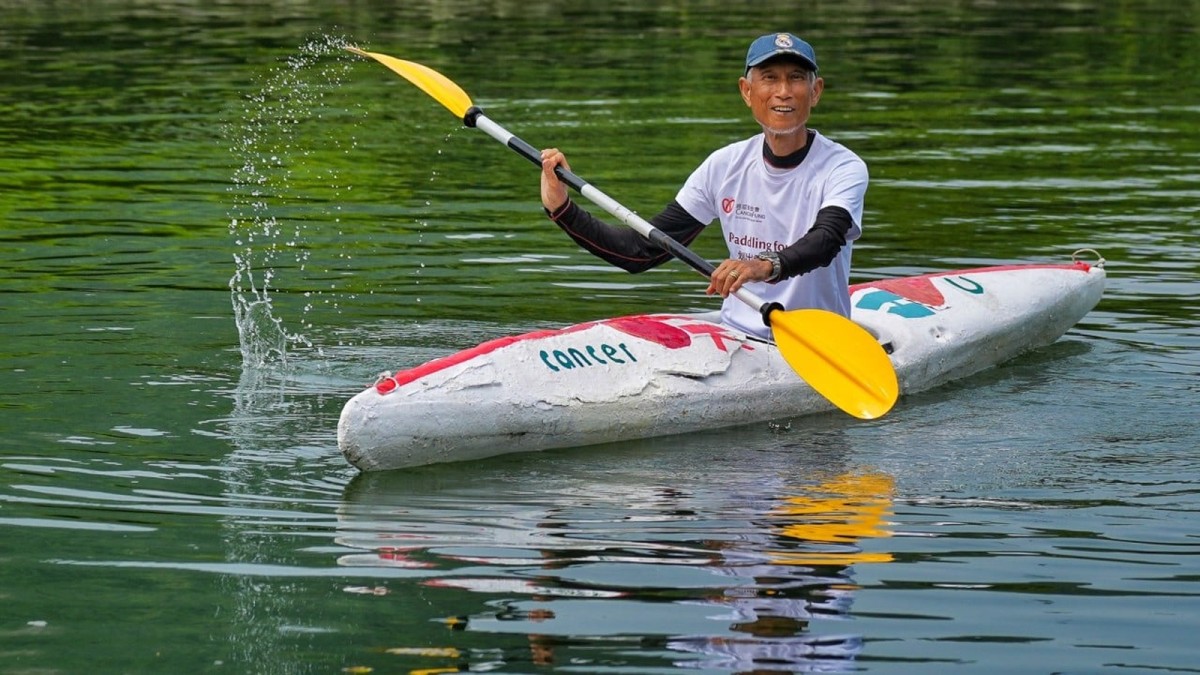
Raymond Lo Shu‑yuen, a 75‑year‑old resident of Hong Kong, reflects on a diagnosis that reshaped his entire outlook on life. Thirty‑one years ago he was told he had stage four liver cancer, a condition that forced surgeons to remove a quarter of his liver. The physical and mental toll of the disease was severe, yet Lo insists that the experience became a catalyst for profound personal change. As he now prepares for a 65‑kilometre canoe challenge, he frames his journey as a testament to the unexpected ways adversity can redirect a life once dominated by relentless work, poor diet, and sedentary habits.
From a Fatal Diagnosis to a New Philosophy
When Lo received the cancer diagnosis, the prognosis was grim. Stage four liver cancer typically carries a low survival rate, and the removal of a substantial portion of the organ is a major operation. Yet, against those odds, he survived and emerged with a markedly altered perspective. He describes the illness as a turning point that forced him to confront the unsustainable rhythm of his earlier life.
“If I did not have this illness, I would not have changed my past lifestyle such as working hard like a dog, eating a lot of junk food, doing no exercise or workouts, keeping no pets and other lovely animals,” Lo said. The phrasing underscores a stark self‑assessment: his pre‑cancer existence was defined by long hours, unhealthy eating, and a lack of physical activity. The disease, in his view, saved him by compelling a reassessment of those habits.
The Physical Aftermath and Ongoing Health Management
Removal of a quarter of the liver inevitably altered Lo’s physiology. The liver’s regenerative capacity is well known, yet the loss of tissue can affect metabolic processes and long‑term health. Lo’s continued vitality at 75 suggests a successful adaptation, likely supported by lifestyle adjustments that he attributes to his cancer experience.
He has not detailed a specific medical regimen, but the implication is clear: his post‑cancer routine now incorporates measures to safeguard his remaining liver function. In broader terms, survivors of major hepatic surgery often adopt dietary changes, regular monitoring, and moderated alcohol consumption to reduce strain on the organ.
Psychological Resilience and the Role of Purpose
Beyond the physical, Lo emphasizes the mental transformation that accompanied his recovery. The shift from a work‑centric identity to one that values health and purposeful activity reflects a broader pattern observed among long‑term cancer survivors, who frequently report a heightened sense of life’s fragility and a desire to find meaning beyond professional achievement.
Lo’s upcoming canoe challenge illustrates this search for purpose. By committing to a 65‑kilometre paddle, he not only tests his physical limits but also signals a willingness to engage in public, endurance‑based endeavors that can inspire others. The act of preparing for such a challenge itself becomes a therapeutic process, reinforcing his new health‑focused identity.
Societal Context: Hong Kong’s Work Culture and Lifestyle Risks
Lo’s narrative resonates within the broader context of Hong Kong’s demanding work culture. The city is known for long working hours, high stress levels, and limited opportunities for regular exercise, especially among older generations who grew up during periods of rapid economic development. Dietary habits, often skewed toward convenience foods, further compound health risks.
In recent years, public health officials have highlighted rising rates of lifestyle‑related diseases, including liver conditions linked to poor diet and alcohol consumption. Lo’s personal shift—from “working hard like a dog” to prioritising health—mirrors a growing awareness among Hong Kong residents that longevity now depends as much on lifestyle choices as on professional success.
The Symbolism of the Canoe Challenge
Choosing a canoe challenge as the medium for his new purpose is symbolic on several levels. Paddling requires sustained, rhythmic effort, coordination, and a connection with the natural environment—qualities that contrast sharply with the sedentary, office‑bound routine Lo once led. The 65‑kilometre distance underscores endurance, suggesting a long‑term commitment rather than a fleeting effort.
While the article does not specify the exact route or the event’s charitable component, such challenges often serve dual purposes: personal achievement and fundraising or awareness‑raising for health causes. By aligning his physical endeavor with a broader social message, Lo leverages his personal story to potentially influence public attitudes toward cancer survivorship and healthy ageing.
Lessons on Ageing and Health Management
Lo’s reflections on ageing are grounded in lived experience. Surviving a severe illness in his mid‑forties, he now faces the realities of senior life with a perspective shaped by both vulnerability and resilience. His admission that the disease taught him “invaluable lessons about ageing, health and making the most of life” encapsulates a philosophy that many older adults adopt after confronting mortality.
Key takeaways from his story include the importance of early lifestyle adjustments, the value of regular physical activity, and the psychological benefit of setting concrete, challenging goals. For a demographic that often grapples with declining health, Lo’s example illustrates that proactive change is possible even after significant medical setbacks.
Implications for Public Health Messaging
Lo’s personal account offers a compelling narrative for public health campaigns aimed at older adults. By framing a serious disease as a catalyst for positive change, his story can help reduce stigma associated with cancer and encourage early detection and treatment. Moreover, his shift from a high‑stress, low‑exercise lifestyle to one that embraces physical challenges aligns with government initiatives promoting active ageing.
In practice, health authorities could use Lo’s experience to illustrate the tangible benefits of lifestyle modification post‑diagnosis. Workshops, community paddling events, and survivor support groups might draw on his example to motivate participants to adopt healthier habits, thereby potentially reducing the burden of chronic diseases in Hong Kong’s ageing population.
This article was produced with AI-assisted research and editorial support. Reporting is based on the source material cited below. Sources: South China Morning Post; scmp.com; Global1.News (04 October 2026).
By Kenji Tanaka, Staff Writer
What's Your Reaction?
 Like
0
Like
0
 Dislike
0
Dislike
0
 Love
0
Love
0
 Funny
0
Funny
0
 Wow
0
Wow
0
 Sad
0
Sad
0
 Angry
0
Angry
0

Japan Correspondent at Global1.News. Tokyo-based voice covering Japanese politics, technology, economy, and culture. Tracks the intersection of tradition and innovation in one of the world's most dynamic societies.















Comments (0)