
2 Mexico City chefs launched an international ‘Pay What You Can’ model. How did it go?
Food has always been a powerful equalizer in Mexican life – from the tianguis stalls in the colonia to the family dinner at the ejido. The disparity is visible in neighborhoods like Santa Fe, where opulent high‑rise towers sit beside informal settlements.
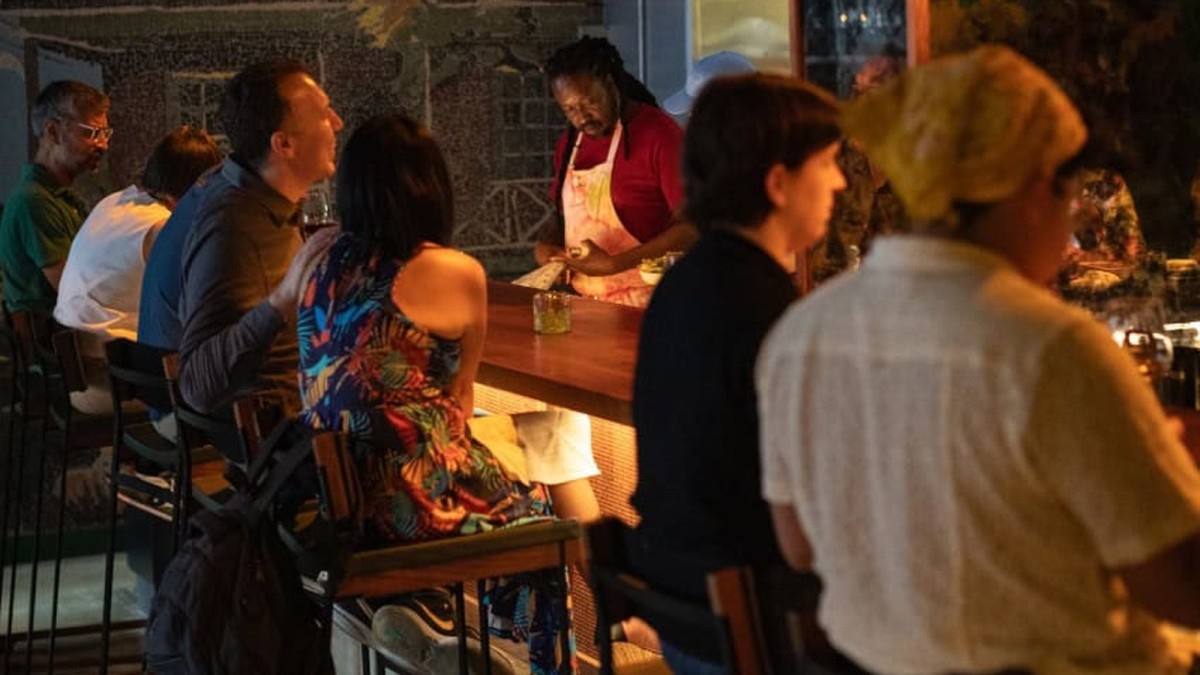
Food has always been a powerful equalizer in Mexican life – from the tianguis stalls in the colonia to the family dinner at the ejido. Yet in Mexico City, the very act of sharing a table has become a marker of class, as soaring wealth gaps keep many families from tasting the city’s celebrated culinary scene. A new “Pay What You Can” experiment launched by two chefs this August shone a light on that divide and offered a glimpse of how hospitality might be reshaped for the people.
Why the gap matters: wealth, tourism and the everyday diner
In 2026, Oxfam Mexico reported that a single percent of the population holds forty percent of the nation’s wealth, a stark illustration of the inequality that colors daily life in the capital. The disparity is visible in neighborhoods like Santa Fe, where opulent high‑rise towers sit beside informal settlements. As Oscar Lopez of The Guardian noted, the contrast in that enclave is a “microcosm of a problem that has plagued Mexico for decades.”
For essential workers who keep the city running – from market vendors to metro operators – the cost of a night out at a top‑tier restaurant often feels like a distant dream. The rising focus on tourism and high‑spending visitors has turned many beloved eateries into exclusive spaces, pushing the very communities that gave them life to the margins.
From a pandemic envelope to a city‑wide invitation
Norma Listman and Saqib Keval, the married chef‑owners of Masala y Maíz, first tried a modest version of “Pay What You Can” during the COVID‑19 pandemic. Their tiny brick‑and‑mortar in San Miguel Chapultepec, opened in 2017, invited diners to leave whatever they could afford in an envelope after a meal. That experiment, born of a need to keep staff employed, turned into a trust‑building exercise: “What happens when we remove the fixed price and ask people to honestly decide what they can pay?” they asked themselves.
Fast forward to August 26, 2026, when the chefs expanded the idea city‑wide under the banner “Paga Lo Que Puedas.” More than twenty restaurants in Mexico City – including MUX, Sin Nombre, Baldío, Cicatriz and Fideo Gordo – joined the day, and over one hundred dining institutions across fourteen countries participated, turning a local gesture into a global movement for humane hospitality.
The social media paradox: influencers and urban segregation
Guillermo Echauri of UNAM warned that the rise of food influencers has intensified the very barriers the PWYC model seeks to dissolve. He observed that influencers’ perspectives, filtered through a backdrop of socioeconomic disparity and ethnic discrimination, shape a culinary narrative that often excludes the city’s poorer residents. In the fall of 2026, as digital dynamics amplified existing inequality, the need for inclusive dining experiences grew more urgent.
This paradox underscores why Listman and Keval’s initiative matters beyond a single night. By opening their doors without a set price, they challenged a social media‑driven hierarchy that rewards exclusivity and instead highlighted the communal roots of Mexican food culture.
Numbers from the front line: turnout, revenue and solidarity
A survey of twelve participating restaurants revealed a largely positive reception. All twelve described the day as “very positive,” and eighty‑three percent said they would “definitely” join a future PWYC event. The initiative attracted a “much higher” or “higher” turnout for three‑quarters of the establishments, while a quarter reported attendance comparable to a typical day.
Financial outcomes were mixed, as expected when diners set their own price. Forty‑two percent of the surveyed venues reported a “better” day of sales, whereas a combined thirty‑three percent said sales were “much worse” or “about the same.” Interestingly, tips rose by forty‑two percent, suggesting that diners who could afford to give more did so when they felt part of a community effort.
First‑time diners and the promise of new audiences
Perhaps the most striking metric was that fifty‑eight percent of the guests identified as first‑time visitors to the participating restaurants. This influx of new faces indicates a genuine appetite for inclusive dining experiences among people who normally would not step into a Michelin‑starred space. The chefs noted that the day “opened doors to new audiences,” fostering connections that could reshape patronage patterns in the long term.
Beyond numbers, the event sparked a sense of belonging. Listman and Keval emphasized that success should not be measured solely by meals served or money collected, but by the feeling that a restaurant “is making room” for everyone, regardless of their bank account.
Challenges behind the generosity
Implementing a PWYC model is not without logistical hurdles. Restaurants had to navigate staffing adjustments and devise clear payment protocols, especially when some diners offered non‑monetary contributions like original artwork. The need for clear communication about how to record such gifts added a layer of complexity to an already busy service day.
Nevertheless, the participating chefs framed these obstacles as part of a broader experiment in trust and community building. They stressed that the model is not a one‑size‑fits‑all solution; each establishment must weigh its own economic realities and the sustainability of its staff before adopting a similar approach.
Looking ahead: policy, community and the future of Mexican hospitality
The PWYC day highlighted the power of grassroots action, but it also underscored the limits of relying solely on individual restaurateurs to bridge deep structural gaps. Listman and Keval called on elected officials and local governments to support policies that make cultural spaces – from tortillerías to fine‑dining rooms – accessible to all residents. Without public investment, the burden of equity falls disproportionately on small business owners and their workers.
In a city where gentrification and mass tourism continue to reshape neighborhoods, initiatives like “Paga Lo Que Puedas” serve as a reminder that hospitality is a public good. By inviting a broader cross‑section of the population to share a meal, chefs are not only feeding bodies but also nourishing the social fabric of Mexico City, ensuring that the next generation can enjoy both the flavors of their heritage and the promise of a more just society.
This article was produced with AI-assisted research and editorial support. Reporting is based on the source material cited below. Sources: Mexico News Daily; mexiconewsdaily.com; Global1.News (04 October 2026).
By Rosa Martinez, Staff Writer
What's Your Reaction?
 Like
0
Like
0
 Dislike
0
Dislike
0
 Love
0
Love
0
 Funny
0
Funny
0
 Wow
0
Wow
0
 Sad
0
Sad
0
 Angry
0
Angry
0
Latin America/Andes Correspondent at Global1.News. Based in Bogota, covering politics, environment, energy, and social movements across the Andean region. Passionate about environmental journalism and communities protecting their land.












Comments (0)