
Trump Halts Iran Strikes as Hormuz Deal Talks Heat Up
Folks, the Strait of Hormuz sits at the edge of a knife again, and the oil markets just blinked. After weeks of tanker attacks and resumed US-Iran fighting that sent crude soaring more than 20 percent in July, diplomacy has suddenly muscled its way back into the picture. Brent crude has already dropped below $80 a barrel on bets that a deal could avert major US airstrikes, while Wall Street posted record closes and Amazon crossed the $3 trillion mark for the first time.
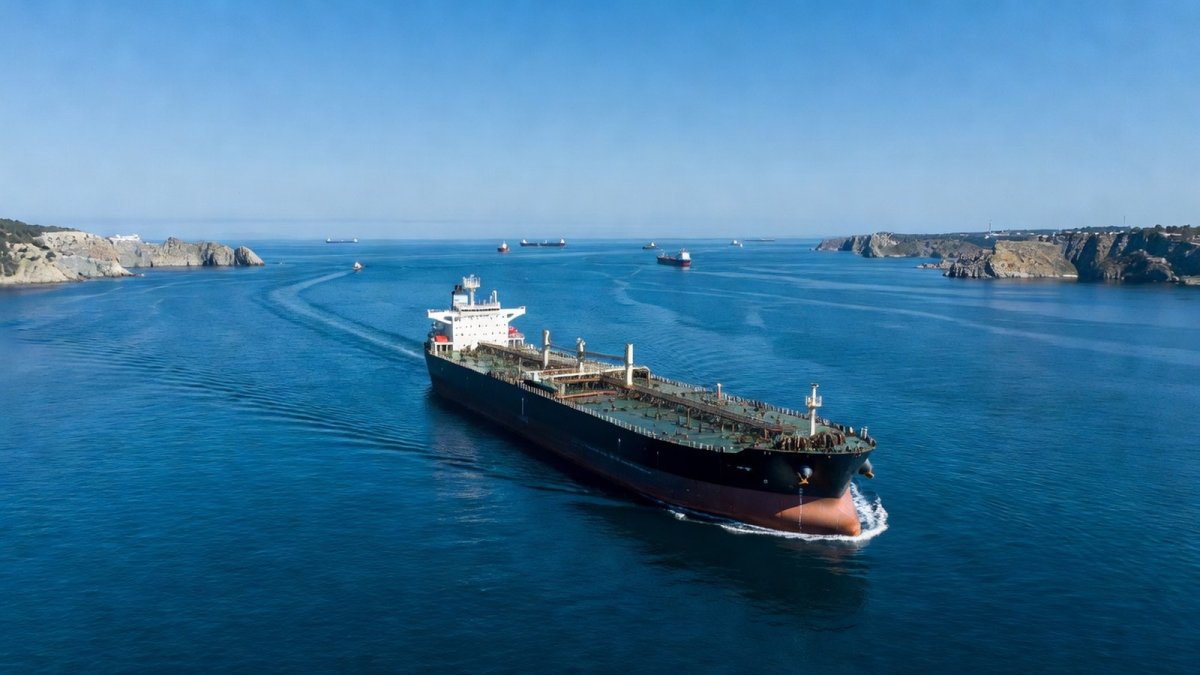
Folks, the Strait of Hormuz sits at the edge of a knife again, and the oil markets just blinked. After weeks of tanker attacks and resumed US-Iran fighting that sent crude soaring more than 20 percent in July, diplomacy has suddenly muscled its way back into the picture. Brent crude has already dropped below $80 a barrel on bets that a deal could avert major US airstrikes, while Wall Street posted record closes and Amazon crossed the $3 trillion mark for the first time.
The stakes are simple and brutal: keep the strait open or watch energy prices and global supply chains choke again. This week could decide whether the region steps back from the brink or slides into another round of escalation.
Trump Halts Iran Strikes as Hormuz Deal Talks Heat Up
Washington, DC — President Donald Trump canceled planned strikes on Iran after late-Saturday posts on Truth Social revealed that Iran and other Middle Eastern countries had asked for time to finish a deal that would deliver the immediate, complete and total reopening of the Strait of Hormuz and an end to Iran's nuclear threat. He described the move as a major attack that had been called off, then labeled the coming talks a last chance for Tehran. US Treasury Secretary Scott Bessent said a deal could arrive as early as today or tomorrow and would restore freedom of movement for commercial vessels.
A Weekend Reversal
On Sunday Trump announced talks would begin Monday, a claim Tehran quickly denied. Iranian officials insist no direct US talks are underway. Instead, they point to ongoing discussions with Oman focused on designating safe inbound and outbound lanes through the strait. Iranian Foreign Ministry spokesman Esmaeil Baghaei described those talks as advancing positively. Qatar's Foreign Ministry also signaled progress on a potential draft agreement.
The sudden shift from weekend threats of renewed strikes to Monday's market relief shows how quickly diplomatic signals can override military posturing in the Gulf. Trump had framed the moment as a final opportunity for Iran to step back, and the cancellation of strikes removed an immediate trigger for further tanker attacks, at least for now. Past cycles of tension have often followed similar patterns, where brief pauses in escalation allow traders to price in stability even as underlying disputes linger. This reversal highlights the fragility of any calm built on unverified progress reports rather than signed agreements.
Investors who positioned for sustained higher energy costs over the weekend now face the reality that political timelines rarely align with market expectations. The pattern echoes earlier episodes where announcements of talks produced sharp but temporary pullbacks in benchmarks before fresh incidents reset the narrative. Readers tracking retirement accounts or fuel budgets should treat these swings as reminders that momentum can reverse on a single statement from Washington or Tehran.
Oil Plunges on Diplomacy Hopes
Brent crude fell 5 percent to $83.47 a barrel by lunchtime Monday after dropping as much as 7.3 percent to $81.55 earlier. West Texas Intermediate slid more than 5 percent to $79.47. Both benchmarks later extended losses, with Brent dipping below $80 on hopes that a deal would sidestep major US airstrikes. On Tuesday Brent traded around $79.26, down 5.38 percent, while WTI sat near $75.73, off 5.74 percent.
Hormuz tanker traffic had already stalled at a two-month low as attacks escalated. The UK Maritime Trade Operations Centre reported three more tanker attacks since Saturday, including another vessel hit inside the strait. OPEC+ agreed Sunday to raise production by about 188,000 barrels a day starting in September, yet export disruptions tied to the Iran and Ukraine wars have kept those extra barrels from easing prices.
The scale of Monday's drop reflects how much of the prior rally had already baked in worst-case assumptions about prolonged closures. When officials from multiple capitals signal movement on safe passage lanes, the market quickly sheds the risk premium layered on during the attacks. Yet the speed of the decline also exposes how thin the buffer remains between current prices and renewed spikes if talks stall.
Analysts noting the potential for repeated cycles correctly flag that any agreement must address both immediate tanker routing and longer-term nuclear concerns to hold. Without those dual tracks, the relief seen in Brent and WTI could prove short-lived once vessels resume normal traffic volumes. This dynamic forces energy consumers to weigh short-term savings against the chance of another surge within weeks.
Stocks Hit Records
The Dow Jones Industrial Average rose 1.3 percent Monday to close at a record high. Both the S&P 500 and the Dow topped previous records as the turn toward diplomacy lifted sentiment across equities. Big Tech led the charge while energy stocks lagged.
Tuesday futures pointed higher for the Dow, S&P 500 and Nasdaq 100 after the broad Monday rally. In Europe the pan-European Stoxx 600 gained 0.5 percent, with travel and leisure stocks up 2.1 percent while energy names slid 2 percent. The UK FTSE 100 added 30 points. US 10-year Treasury yields fell 5 basis points to 4.68 percent, retreating from their highest level since January.
Equity markets extending gains on lower oil prices demonstrate how intertwined energy costs remain with broader corporate margins and inflation expectations. The record closes for major indices arrived precisely because falling benchmarks eased pressure on sectors sensitive to fuel and transport expenses. Still, the advance rests on the assumption that diplomatic momentum will continue rather than fracture under renewed regional friction.
Bond yields easing alongside the equity rally points to reduced fears of persistent inflation driven by energy shocks. When 10-year notes fall several basis points on a single session, it signals that fixed-income investors see the oil reversal as more than a one-day event. Portfolio managers balancing stocks and bonds now face the task of deciding whether to lock in these levels or prepare for volatility if Hormuz talks falter.
Amazon's $3 Trillion Moment
Amazon.com crossed $3 trillion in market value for the first time Monday, becoming only the fifth company in history to reach that milestone after Apple, Microsoft, Alphabet and Nvidia. Shares surged as much as 5.71 percent to a record near $287.10, pushing the market cap to $3.096 trillion. The company posted Q2 revenue of $200.61 billion, beating estimates and marking the first quarter ever above $200 billion.
Founder Jeff Bezos sold about $4 billion in Amazon stock the same day. Jim Cramer called the sale a buzzkill yet still backed the stock. The rally in Big Tech underscored how quickly risk appetite returned once the threat of immediate strikes receded.
Crossing the $3 trillion threshold during a period of energy market turbulence underscores how dominant technology platforms have become relative to traditional commodity cycles. The company's revenue beat arrived even as global shipping risks rose, illustrating resilience in digital services that lessens direct exposure to tanker disruptions. Investors watching the milestone should note that such valuations can amplify both gains and losses when macro conditions shift again.
The timing of the market-cap achievement alongside falling oil prices offers a window into how lower energy costs can support consumer spending that feeds into e-commerce volumes. Yet the stock reaction also reveals sensitivity to any hint that geopolitical relief might prove temporary. This moment serves as a reminder that even the largest companies remain tethered to the same supply-chain uncertainties affecting smaller businesses.
What a Deal Would Mean for Hormuz
US Treasury Secretary Scott Bessent said any agreement would restore freedom of movement for commercial vessels through the strait. Iranian and Omani talks continue to focus on safe inbound and outbound lanes, with progress described as positive by Tehran. Qatar has also signaled movement on a draft framework.
Tehran continues to deny that direct talks with Washington are occurring. The gap between US claims and Iranian statements leaves room for the talks to collapse quickly if either side feels the other is stalling. Analysts note that Iran has leveraged control of the strait before and could do so again through tanker attacks or strikes on US bases.
Restoring consistent tanker traffic through the strait would directly lower the insurance premiums that have already pushed some vessels to alternative routes. Historical precedents show that once safe lanes are reestablished, volumes can recover faster than prices, benefiting importers who have absorbed higher costs in recent weeks. The key test remains whether any framework can prevent the pattern of attacks that reduced traffic to two-month lows.
Progress reported in parallel Iran-Oman discussions on inbound and outbound lanes suggests that technical arrangements for navigation could precede broader political accords. Such sequencing would allow commercial operators to plan schedules with greater certainty while larger nuclear issues continue in separate channels. For economies dependent on Gulf crude, this distinction between routing security and strategic concessions could determine how durable the current price relief becomes.
The Consumer Squeeze
UK petrol prices hit an Iran-war high of 160.85p a litre Monday, while diesel rose above 180p for the first time since June 9. Unleaded has climbed more than 10p a litre, or 7 percent, since bottoming at 150.59p on July 6. Diesel is up about 16p a litre, or 10 percent, nearly reversing June's record monthly drop.
In the United States the average gasoline pump price dipped to $4.08 a gallon as of August 4, still up 30 percent from a year ago. President Trump criticized US refiners for high fuel profits and ordered retailers to get retail prices down, accusing ExxonMobil and Chevron of profiting too much from the conflict. EY has warned that the UK could face recession if the strait remains closed for any extended period.
Households facing elevated pump prices for months now see the possibility of gradual relief if a deal reduces the war premium embedded in global benchmarks. The jump in UK petrol and diesel costs, alongside the rise in US averages, has already altered driving patterns and household budgets in measurable ways. Any sustained decline would free spending power that has been diverted to fuel rather than other goods.
The warning from economic forecasters about recession risks if the strait remains restricted places added weight on negotiators to deliver verifiable movement. Consumers cannot easily hedge against prolonged disruptions the way large energy firms can, leaving them exposed to the next round of volatility. This reality makes the coming days of reported talks especially consequential for daily expenses rather than abstract market indices.
The Bottom Line
Kathleen Brooks of XTB noted that the oil drop eases inflation fears and could dampen bond yields. Tony Sycamore of IG warned that the bigger question is whether this week repeats last week's pattern, with hopes of a deal collapsing if Iran digs in and continues to leverage its position through attacks on tankers or US assets.
India's Sensex gained about 800 points Monday on the lower oil prices, a reminder that major energy importers stand to benefit quickly from any sustained drop. Japan's yen hit a three-month high after Tokyo and Washington launched a joint operation to support the currency.
Stay tuned this week. Watch the Hormuz lane talks, any fresh tanker incidents, and whether Tehran moves from denial to direct engagement. The next 48 hours could lock in a deal or send crude and markets screaming higher again. Check back with Global 1 News for real-time updates.
By Jessica Ali, Staff Writer
This article was produced with AI-assisted research and editorial support. Reporting is based on sources cited in the article.
What's Your Reaction?
 Like
0
Like
0
 Dislike
0
Dislike
0
 Love
0
Love
0
 Funny
0
Funny
0
 Wow
0
Wow
0
 Sad
0
Sad
0
 Angry
0
Angry
0

Editor-in-Chief at Global1.News. Atlanta-based journalist who cuts through the BS and tells it like it is. Lead anchor, host, and the voice you hear when the spin stops and the truth starts.














Comments (0)