
Actress Leila Tong sued over alleged contract breach and ‘manipulative conduct’
In a case that has drawn the attention of both the entertainment industry and legal observers, former Hong Kong television actress Leila Tong Ning has been sued by her management agency, Tenjinmura Ongaku Limited, for alleged breach of contract.
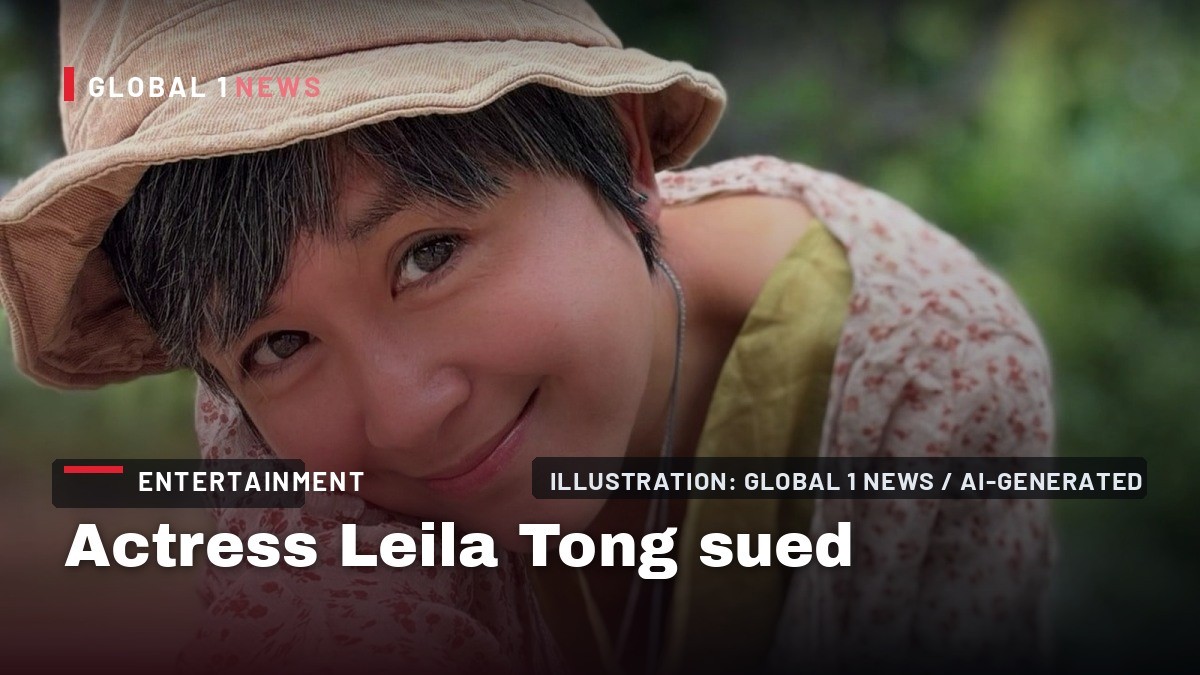
In a case that has drawn the attention of both the entertainment industry and legal observers, former Hong Kong television actress Leila Tong Ning has been sued by her management agency, Tenjinmura Ongaku Limited, for alleged breach of contract. The High Court writ, filed in September 2026, alleges that Tong abandoned her professional duties while suffering from depression, altered her appearance by dyeing her hair without agency consent, and accepted commercial engagements without the required approval after the relationship between the artist and the agency deteriorated in May 2024. The lawsuit raises broader questions about the contractual expectations placed on Hong Kong performers, the handling of mental health issues within the industry, and the evolving balance of power between talent and management.
Background of the Dispute
The dispute stems from a management contract that Tong signed with Tenjinmura Ongaku Limited, a firm that has represented a number of Hong Kong entertainers. According to the writ, Tong’s conduct after May 2024 breached several key clauses of the agreement. The agency claims she abandoned her professional duties while experiencing depression, a condition that, while understandable, did not absolve her of contractual obligations. Moreover, the agency alleges that Tong dyed her hair—a visible change to her public image—without obtaining prior consent, an act they deem a violation of the contract’s provisions concerning personal appearance and brand consistency.
In addition to the hair‑dye incident, the writ accuses Tong of “coercive conduct” and of accepting commercial engagements independently, bypassing the agency’s required approval process. The agency argues that such unilateral actions undermine the coordinated management of her career, potentially causing conflicts with existing sponsorships and damaging the agency’s reputation. The legal filing therefore frames Tong’s actions not merely as personal choices but as contractual violations with material consequences for both parties.
Leila Tong’s Career Trajectory
Leila Tong, whose birth name is Leila Kong Lai‑na, first entered the public eye as a child star. She appeared in John Woo’s 1991 action comedy *Once a Thief*, a film that remains a reference point for Hong Kong cinema of the early 1990s. The following year, she secured a role in the TVB drama *The Greed of Man*, a series that achieved high ratings and cemented her status as a recognizable face on Hong Kong television. Her early exposure to the industry gave her a platform that later agencies, including Tenjinmura Ongaku Limited, sought to leverage.
Despite this early success, Tong’s career has been marked by periods of inactivity and transitions between agencies. By the time of the lawsuit, she was a 44‑year‑old former TVB artist, indicating that her primary affiliation with the broadcaster had ended sometime prior to the current dispute. The shift from a stable broadcaster contract to a management agency arrangement reflects a broader trend among Hong Kong performers who seek greater flexibility and diversified income streams through commercial endorsements and independent projects.
Contractual Norms in Hong Kong’s Entertainment Industry
Management contracts in Hong Kong’s entertainment sector typically contain clauses that regulate an artist’s public image, appearance, and external engagements. Agencies argue that such provisions protect the commercial value of the talent, ensuring consistency for sponsors and audiences. In Tong’s case, the alleged unauthorized hair dyeing is presented as a breach of the appearance clause, a common stipulation that requires artists to seek agency approval before making significant changes to their look, especially when those changes could affect brand alignment.
The requirement for agency consent on external commercial engagements is equally standard. Agencies often negotiate sponsorship deals and advertising contracts on behalf of their talent, aiming to avoid conflicts of interest and to maximize revenue. By accepting commercial work without agency approval, Tong is alleged to have disrupted this coordinated approach, potentially jeopardizing existing agreements and creating legal exposure for both herself and the agency.
Mental Health Considerations and Legal Obligations
The writ acknowledges that Tong was suffering from depression at the time of the alleged abandonment of duties. This admission reflects a growing awareness within Hong Kong’s entertainment community of mental health challenges faced by performers. However, the agency’s legal stance suggests that personal health issues do not automatically excuse contractual non‑performance. The High Court filing therefore raises a delicate question: how should mental health be weighed against contractual obligations?
In recent years, Hong Kong’s labor law has begun to incorporate provisions for reasonable accommodations for mental health conditions, but the application of these provisions to entertainment contracts remains ambiguous. While an agency may be required to provide support or adjustments, the contract may still enforce core duties, such as attendance at scheduled shoots or adherence to public image standards. The Tong case could become a reference point for future disputes where artists cite mental health as a defense against breach allegations.
The Allegation of “Coercive Conduct”
Beyond the specific contractual breaches, the agency accuses Tong of “coercive conduct.” While the writ does not elaborate on the precise nature of this conduct, the term generally implies that an individual used undue pressure or manipulation to influence contractual outcomes. In the context of entertainment management, coercive conduct might involve an artist leveraging public sympathy, media exposure, or personal relationships to force an agency’s hand on contract terms or to secure independent deals.
If the allegation holds merit, it could signal a deeper power struggle between Tong and Tenjinmura Ongaku Limited. The breakdown of their relationship in May 2024 suggests a period of negotiation or conflict that may have escalated into the current legal confrontation. The agency’s emphasis on coercive conduct indicates that they view Tong’s actions as not merely independent decisions but as strategic moves intended to undermine the agency’s authority.
Implications for the Hong Kong Entertainment Landscape
The lawsuit arrives at a moment when Hong Kong’s entertainment sector is undergoing structural changes. Traditional broadcasters like TVB have faced declining viewership, prompting many artists to seek alternative revenue sources through endorsements, digital content creation, and cross‑border collaborations. As a result, management agencies have become pivotal intermediaries, negotiating complex portfolios of work for their talent.
Should the court rule in favor of Tenjinmura Ongaku Limited, the decision could reinforce the enforceability of strict appearance and engagement clauses, potentially limiting artists’ autonomy in personal branding decisions. Conversely, a ruling that acknowledges the weight of mental health considerations might encourage agencies to adopt more flexible contract terms, incorporating provisions for medical leave or mental health support. Either outcome will likely influence how future contracts are drafted and how agencies manage talent relations.
Potential Outcomes and Next Steps
The High Court has yet to schedule a hearing date, but the filing signals that the dispute will proceed through formal litigation rather than settlement. Both parties may still explore out‑of‑court resolution, especially given the public relations implications for a well‑known former TVB star. A settlement could involve a negotiated exit from the contract, a financial settlement, or a revised agreement that addresses the agency’s concerns while accommodating Tong’s health needs.
For observers, the case offers a lens into the evolving dynamics of talent management in Hong Kong. It underscores the importance of clear contractual language, the need for agencies to balance commercial interests with the well‑being of their artists, and the potential legal ramifications when that balance is perceived to be disrupted. As the industry continues to adapt to new media realities, the outcome of Tong’s lawsuit may serve as a benchmark for how contractual disputes are navigated in an era where personal branding, mental health, and commercial flexibility intersect.
This article was produced with AI-assisted research and editorial support. Reporting is based on the source material cited below. Sources: South China Morning Post; scmp.com; Global1.News (24 September 2026).
By Kenji Tanaka, Staff Writer
What's Your Reaction?
 Like
0
Like
0
 Dislike
0
Dislike
0
 Love
0
Love
0
 Funny
0
Funny
0
 Wow
0
Wow
0
 Sad
0
Sad
0
 Angry
0
Angry
0

Japan Correspondent at Global1.News. Tokyo-based voice covering Japanese politics, technology, economy, and culture. Tracks the intersection of tradition and innovation in one of the world's most dynamic societies.











Comments (0)