
UK homes face winter energy squeeze as Ofgem reveals 4% price cap rise
Millions of households across England, Scotland and Wales are bracing for a winter squeeze after Ofgem confirmed a 4 per cent rise in the energy price cap, pushing typical annual bills to their highest level in three years. The increase, which takes effect on 1 October, adds £60 a year – or £5 a month – to the average dual-fuel bill, bringing it to £1,723.
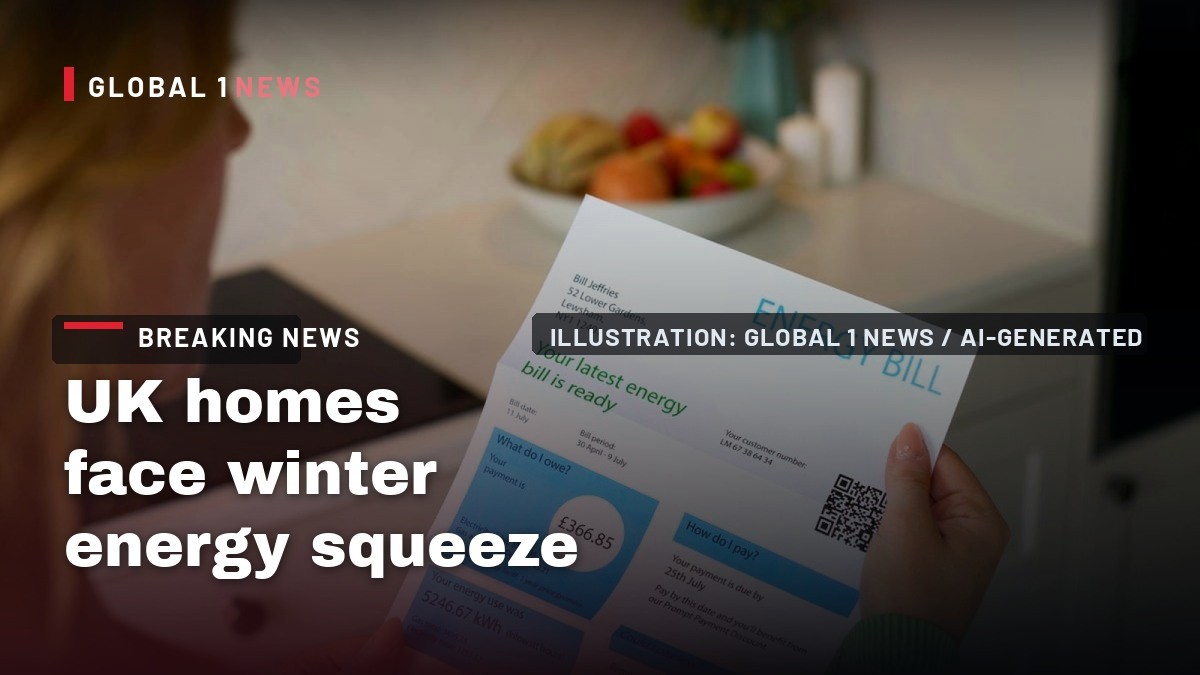
Millions of households across England, Scotland and Wales are bracing for a winter squeeze after Ofgem confirmed a 4 per cent rise in the energy price cap, pushing typical annual bills to their highest level in three years. The increase, which takes effect on 1 October, adds £60 a year – or £5 a month – to the average dual-fuel bill, bringing it to £1,723. The regulator’s announcement lands as the government scrambles to soften the blow, with Energy Secretary Miatta Fahnbulleh admitting that previously announced support will not fully offset the rise.
What the price cap rise means for households
The new cap, which applies to default tariffs in England, Scotland and Wales, represents the highest average bill since July 2023. Ofgem confirmed the increase on Wednesday morning, with the typical household now facing an annual cost of £1,723 if the level were sustained for a full year. The figure is based on the regulator’s updated definition of a typical consumer, which came into effect in July to reflect falling household energy use across the country.
Under the revised calculation, a typical household is now assumed to use 9,500 kWh of gas and 2,500 kWh of electricity per year – a reduction from previous estimates, reflecting both improved energy efficiency and the fact that many families have cut back on usage in response to the high prices of recent years. The cap sets a maximum price per unit of energy, not a total bill ceiling, meaning households that use more will still pay more.
Some 22 million households in England, Wales and Scotland are on tariffs affected by the price cap. However, around 11 million – roughly 35 per cent of all households – are on fixed deals and will see no change to their unit rates, though they will still benefit from the government’s VAT reduction on electricity bills.
Why prices are rising: Iran war and European heatwaves
The upward pressure on bills stems primarily from the ongoing Middle East conflict, which has disrupted wholesale gas markets and pushed up the prices suppliers pay. Energy Secretary Miatta Fahnbulleh was blunt about the cause, telling broadcasters that the rise was “being driven up by the Iran war”. She expressed frustration that global events beyond the UK’s control were having a direct impact on household finances.
Compounding the problem, sustained heatwaves across Europe have increased gas demand for power generation, as air conditioning and cooling systems strain electricity grids across the continent. That additional demand has kept wholesale prices elevated just as the UK heads into the colder months, when domestic heating usage traditionally spikes.
Neil Kenward, Ofgem’s director general for markets, said: “High international gas prices are continuing to drive energy costs in the UK.” He welcomed the government’s intervention to remove VAT from electricity bills, noting that without it, customers would have faced even higher costs this winter.
Government response: VAT cut and the limits of support
The government has moved to mitigate the impact, announcing that VAT on electricity bills will be removed from October. The measure applies to all households, including those on fixed tariffs, and is expected to reduce the typical bill by around £45 compared with what it would otherwise have been. Ministers also point to the £150 in costs removed from bills earlier this year as part of broader efforts to ease the burden on families.
However, Ms Fahnbulleh conceded that the combined measures do not fully cover the price cap increase. Asked directly whether the prime minister’s energy support would offset the rise, she told Sky News: “It doesn’t, but it helps. So it’s £45 lower than it would have been had we not acted. But look, we know that there is more that we need to do.”
The Energy Secretary said the government “will keep looking at what more we can do to protect families from unaffordable bills”, while defending the administration’s record on energy costs. She rejected suggestions that the drive towards net zero had pushed up bills, arguing instead that clean power is “absolutely critical to our strategy to delivering bills that are more affordable because it breaks that link to global fossil fuel markets”.
Fixed tariffs, prepayment meters and what consumers can do
Ofgem is urging households to shop around, pointing out that fixed tariffs are currently available at £100 or more below the October price cap. With around 11 million households already on fixed deals, the regulator says those still on default tariffs could benefit from switching, though it cautions that the market remains volatile and fixed deals may not suit everyone.
Mr Kenward also highlighted the potential savings available to smart meter customers, noting that “many suppliers offer tariffs with cheaper electricity to smart meter customers for electricity consumed out of peak times”. He added that payment method matters too: prepayment customers are currently paying the lowest price cap rates, and could save consumers an average of about £45 compared with direct debit.
The energy price cap was introduced by the government in January 2019 and sets a maximum price that suppliers can charge per kilowatt hour of energy. It is designed to ensure that prices for customers on default tariffs reflect the true cost of wholesale energy, while capping the profits firms can make. Ofgem reviews the cap every three months, with the next announcement expected in the autumn.
Cornwall Insight forecast: further 9% rise in the new year
Analysts at Cornwall Insight, the energy consultancy, had predicted last week that a typical household would face an annual bill of £1,729 under Ofgem’s updated definition – a figure closely matching the regulator’s announcement. The consultancy noted that this would be the equivalent of £1,941 per year based on its previous calculations, up from £1,862 currently.
More worrying for households is the consultancy’s forecast that domestic energy prices may rise a further 9 per cent in the new year, bringing renewed concern at the coldest time of the year. If realised, that would push typical bills well above £1,800, intensifying pressure on families already struggling with the cost of living.
The prospect of another increase in January – traditionally the peak month for energy consumption – will heighten concerns about fuel poverty and energy debt. Suppliers have reported that energy debt has rocketed in recent months, and with high bills likely to persist, they have called for more support for those struggling to pay.
The bigger picture: energy debt, net zero and the winter ahead
Wednesday’s announcement lands against a backdrop of mounting financial strain for UK households. Energy debt has reached record levels, with suppliers warning that many customers are simply unable to keep up with payments. The government’s VAT cut and the earlier removal of £150 from bills provide some relief, but Ms Fahnbulleh’s own admission that support does not fully cover the rise underscores the scale of the challenge.
The political debate over energy policy is also intensifying. The Energy Secretary pushed back against claims that the net zero transition is responsible for higher bills, insisting that clean power is central to the government’s strategy for long-term affordability. Yet with global fossil fuel markets continuing to drive short-term costs, the immediate outlook for households remains uncertain.
As winter approaches, the combination of higher prices, colder weather and persistent debt problems points to a difficult few months ahead. Ofgem’s quarterly review will be closely watched, but for now, the message from the regulator is clear: check your tariff, consider your payment method, and act before the October increase takes effect.
By Erica Thornton, Staff Writer
This article was produced with AI-assisted research and editorial support. Sources: The Independent, BBC News
What's Your Reaction?
 Like
0
Like
0
 Dislike
0
Dislike
0
 Love
0
Love
0
 Funny
0
Funny
0
 Wow
0
Wow
0
 Sad
0
Sad
0
 Angry
0
Angry
0

US Politics and Policy Correspondent at Global1.News. Based in Washington DC, covering American politics, policy, elections, and the courts. Knows how the system works and tells you what it actually means.















Comments (0)