
Can Japan Optimize Its Record Defense Budget?
Japan’s Ministry of Defense (MOD) unveiled its fiscal year 2027 budget request in early August, setting a new post‑war benchmark at approximately 9.3 trillion yen—a 3.8 percent rise over FY2026.
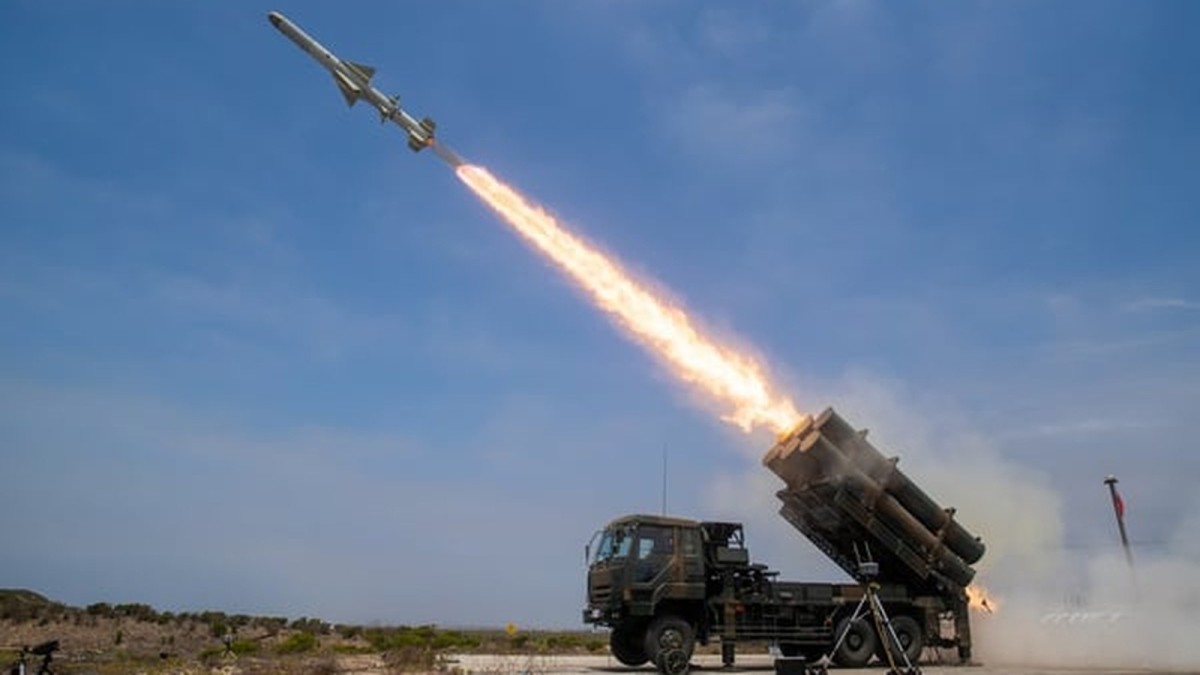
Japan’s Ministry of Defense (MOD) unveiled its fiscal year 2027 budget request in early August, setting a new post‑war benchmark at approximately 9.3 trillion yen—a 3.8 percent rise over FY2026. This increase enabled Tokyo to meet its self‑imposed 2 percent of Gross Domestic Product (GDP) target ahead of schedule, a milestone that has drawn considerable attention from both domestic analysts and regional observers.
Fiscal Scale and Historical Context
The 9.3 trillion‑yen figure is striking not merely for its absolute size but for its place in Japan’s post‑war defense financing trajectory. Since Prime Minister Abe Shinzo returned to office in FY2013, the defense budget has risen steadily, with an acceleration after FY2023. Yet the article notes that the yen’s depreciation since 2022 has muted the real purchasing power of these nominal increases, especially for imported equipment and components.
From FY2000 through FY2012, Japan’s defense spending remained largely flat while China’s military modernization accelerated. The source material suggests that this period of under‑investment created a “hollowing out” of Japan’s defense force that the current budget must now attempt to reverse.
Strategic Documents Shaping the Request
The FY2027 request arrives as Japan finalizes revisions to three cornerstone policy frameworks: the National Security Strategy (NSS), the National Defense Strategy (NDS), and the Defense Buildup Plan (DBP). Scheduled for release in December, these documents will chart Japan’s security posture for the next five years, and the budget provides an early glimpse of the priorities likely to be embedded within them.
Central to the request is the MOD’s articulation of a “new way of fighting” (atarashii tatakai‑kata), which signals a doctrinal shift toward integrating emerging technologies and enhancing operational sustainability. This doctrinal emphasis aligns with the broader strategic intent of the forthcoming NSS, NDS, and DBP.
Nine Priority Areas: Scope and Ambition
The MOD identified nine priority areas for investment: artificial intelligence, uncrewed systems, stand‑off or counter‑strike capabilities, space, cyber, sea‑lane defense, the defense industrial base, and personnel. The source material stresses that investment across all nine domains is “much overdue” and that sustained funding will be required over many years.
By grouping these domains under a single budget request, the MOD seeks to balance frontline equipment (shomen sobi) with logistics and support systems (koho). The request also underscores a deliberate effort to harness AI and uncrewed technologies, reflecting a broader regional trend toward autonomous and network‑centric warfare.
Industrial Base Revitalization Measures
Beyond the headline budget number, the MOD announced two concrete steps aimed at strengthening Japan’s defense industrial base. At the end of August, the ministry disclosed a plan to acquire former Nippon Steel sites in Kure, Hiroshima, converting them into mixed‑use facilities that can be leased to defense firms. This move seeks to provide dedicated industrial space for domestic defense production.
In mid‑September, Mitsubishi UFJ Bank—a major Japanese megabank—issued new, lender‑friendly guidelines for financing defense companies. By easing credit conditions, the bank aims to lower the cost of capital for firms seeking to expand or modernize their production capabilities, thereby complementing the MOD’s real‑estate strategy.
Fiscal Constraints and the Yen’s Depreciation
While the nominal budget increase is historic, the source material cautions that Japan’s fiscal capacity remains constrained. The government faces intense pressure to lower taxes, and the yen’s persistent weakness erodes the real value of defense spending, particularly for imported high‑tech components. Consequently, the “largest defense budget in post‑war history” label may mask the limited purchasing power available to the MOD.
The article underscores a fundamental dilemma: Japan must fund a broad, multi‑year transformation across nine priority areas while contending with a fiscal environment that limits the amount of yen that can be allocated without exacerbating domestic budget pressures.
Regional Security Imperatives
Japan’s budgetary decisions cannot be divorced from the broader Northeast Asian security context. The source material identifies three strategic pressures: a more assertive China, the deepening alignment among China, Russia, and North Korea, and uncertainty surrounding the long‑term reliability of the United States’ security commitments. These factors compel Tokyo to pursue two simultaneous goals—reversing the “hollowing out” of its forces and catching up with China’s military modernization.
The article also situates Japan’s predicament within a wider pattern among U.S. allies, many of which deepened economic ties with China under the assumption that interdependence would deter aggression, only to find themselves under‑invested when regional tensions escalated.
Prospects for Transformation
In sum, the FY2027 budget request offers a “preliminary look” at how Japan intends to reshape its defense posture. The emphasis on AI, uncrewed systems, and a balanced allocation between frontline and support assets suggests a genuine attempt at transformation. However, the source material warns that the breadth of the nine priority areas risks diluting resources, and sustained funding will be essential to avoid a superficial implementation.
Whether Japan can translate this historic budget request into a decisive strategic turn will hinge on the forthcoming NSS, NDS, and DBP, as well as on the government’s ability to protect and efficiently allocate the additional yen. The coming months will therefore be critical for assessing whether Japan’s defense modernization can keep pace with regional dynamics and the evolving nature of warfare in the twenty‑first century.
This article was produced with AI-assisted research and editorial support. Reporting is based on the source material cited below. Sources: The Diplomat; thediplomat.com; Global1.News (06 October 2026).
By Prof. David Park, Staff Writer
What's Your Reaction?
 Like
0
Like
0
 Dislike
0
Dislike
0
 Love
0
Love
0
 Funny
0
Funny
0
 Wow
0
Wow
0
 Sad
0
Sad
0
 Angry
0
Angry
0

East Asia/Technology Correspondent at Global1.News. Seoul-based voice covering Korean politics, technology, business, and culture. Analyzes how technology and geopolitics intersect across East Asia.















Comments (0)