
Johannesburg Bans Garden Watering as Reservoirs Stay Thin
Johannesburg will impose Level 2 water restrictions from 21 November 2026, banning garden watering at all hours and raising tariffs on 1 December as the city tries to cut demand by 200 million litres a day. The dams are full; the treated-water system feeding its taps is not.
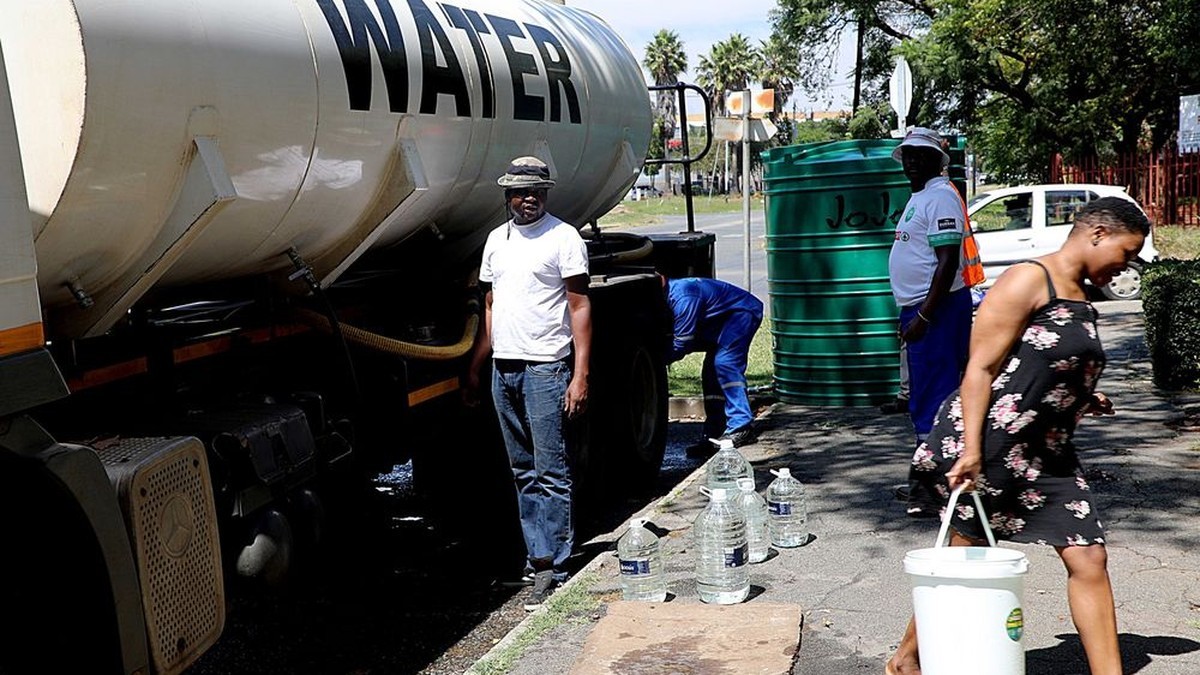
Johannesburg starts Level 2 water restrictions on Saturday, and for the first time this season the ban on garden watering is total rather than timed. Tariffs climb on 1 December. The dams are full and the system that turns that water into tap water is not, and Johannesburg Water says it must find 200 million litres a day from somewhere.
Johannesburg Bans Garden Watering as Reservoirs Stay Thin
Johannesburg, South Africa - The city's reservoirs have been slowly recovering since the outages began in October. From Saturday, the rules that govern what residents may do with the water in them get considerably stricter.
Johannesburg Turns the Tap Down From Saturday
Johannesburg's Level 2 restrictions take effect on 21 November 2026 and remain in force until a further public notice withdraws them. The notice was declared under section 58(4) of the City of Johannesburg Water Services By-laws, 2023 - the provision that makes water restrictions compulsory rather than persuasive. Johannesburg Water's assessment sets the target plainly: consumption has to fall by 200 million litres a day before the system can be called stable. The utility's board approved the measure and the city agreed to it under the by-laws. None of it is voluntary. Contraventions may be acted on under the by-laws, and the city says it will intensify monitoring and enforcement through Johannesburg Water and the relevant departments until demand comes down. The restrictions will be reviewed against water demand, reservoir levels and prevailing supply conditions, which is the city's way of saying they last as long as the numbers stay bad.
Two Numbers That Do Not Fit Together
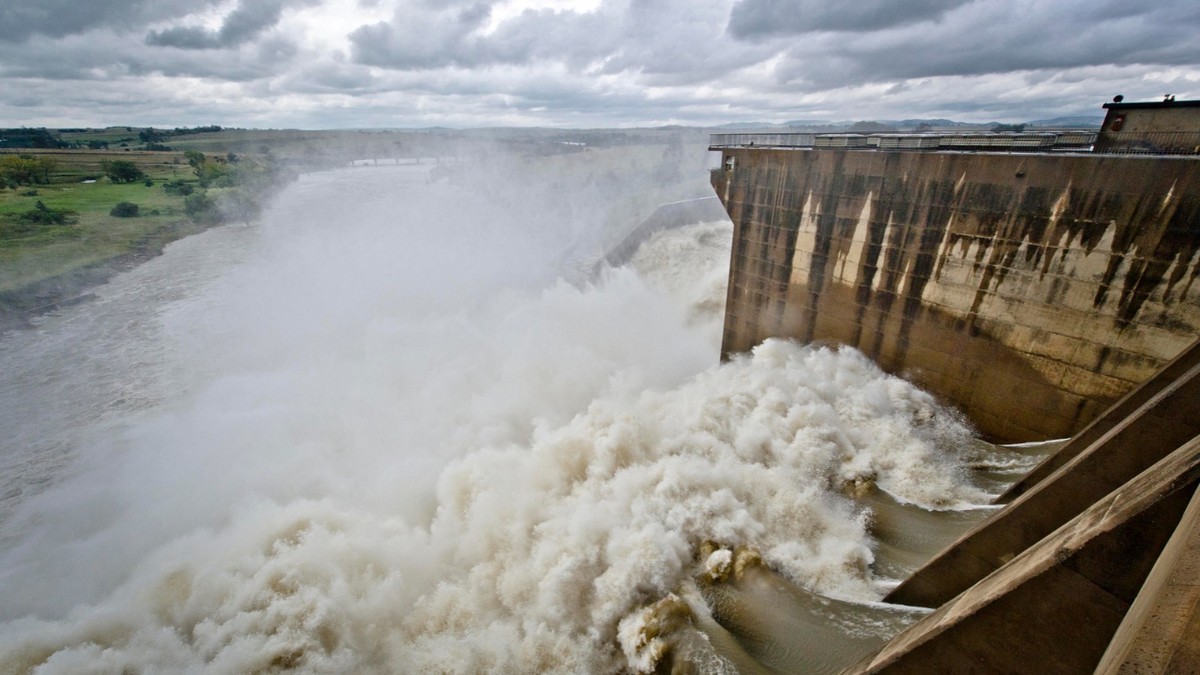
The Vaal Dam stood at 104.3 per cent on 11 November, above its full supply level, and the wider Integrated Vaal River System held 97.4 per cent. Against that, the four main Rand Water reservoir systems supplying Gauteng stood at 31.1 per cent on 30 October, against an operational target of 60 per cent. The two readings measure different things, and the Department of Water and Sanitation is careful about it, noting that the system figure "represents the combined storage status of the interconnected system and not the storage level of any individual dam." WaterCAN, the water and sanitation watchdog, states the harder version: "High raw-water storage does not guarantee household supply. Water must still be treated, pumped and distributed through functioning infrastructure." Gauteng's cooperative governance department said on 16 November that the current disruptions are due to demand exceeding treated water supply, not a lack of water in the dams.
What Is Banned Now, And Who It Binds
The use of municipal drinking water for irrigating gardens, lawns, parks and public spaces is prohibited at all hours, replacing the limited watering hours permitted under Level 1. Hosing down hard surfaces - driveways, paved areas, sidewalks - is banned, as is dampening building sand with drinking water. The rules bind residential, commercial, institutional and other consumers across the whole city, and they bind the city itself. Municipal departments and entities must stop irrigating parks, gardens and public spaces with drinking water. The Johannesburg Roads Agency and its contractors must use treated effluent for road construction, and Johannesburg Water and its contractors must use treated effluent for jetting. Spokesperson Nombuso Shabalala said that effluent is "to be sourced from the city's six wastewater treatment works, subject to appropriate operational and safety requirements."
The Tariff Ladder That Starts on 1 December
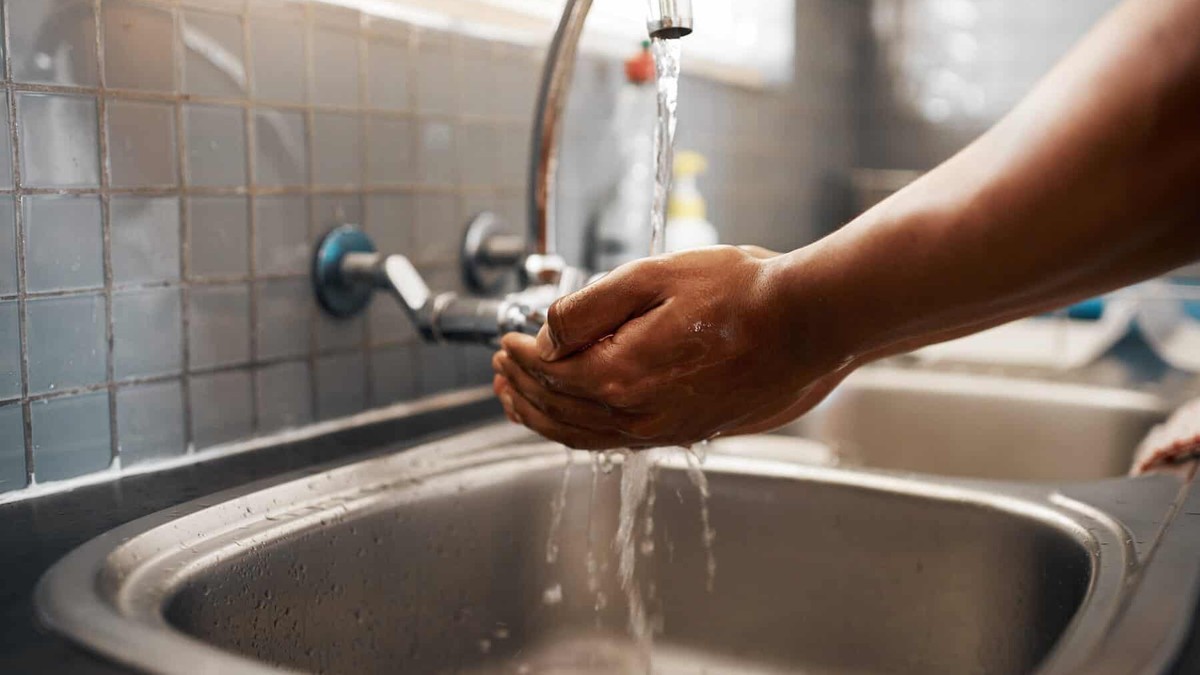
The approved 2026/27 Level 2 tariffs take effect on 1 December 2026, ten days after the restrictions themselves begin and deliberately separate from them. For conventionally metered dwelling units and multi-dwelling units the bands run in rand per kilolitre: first 6 kilolitres at R7.80, above 6 to 10 at R37.48, above 10 to 15 at R41.51, above 15 to 20 at R59.82, above 20 to 30 at R83.57, above 30 to 40 at R90.60, above 40 to 50 at R128.72, and above 50 at R165.41. A kilolitre is a thousand litres. Shabalala was explicit that "The commencement of the restriction tariffs is distinct from the commencement of the water use restrictions and associated technical interventions," and cautioned that charges vary by property, meter type and customer category, so the city's approved schedule is the document that matters.
Twenty Percent Off the Meter, Area by Area
Johannesburg Water will cut supply volumes by 20 per cent in deemed-consumption and prepaid-meter areas, and may do the same in other high-consumption areas if the restrictions fail to deliver the reduction on their own. Safeguards are attached to that. Households keep access to a basic water supply, communities receive advance notice of planned interruptions in line with applicable service standards, and alternative supply is provided where an interruption runs past 24 hours. Shabalala said "Area-specific arrangements will be communicated through the city's and Johannesburg Water's official platforms," which makes the official channels the place to watch rather than a neighbourhood group. The utility is also clear that restrictions alone will not be enough, and is pairing them with leak repairs, pressure management and public education. "Every litre saved helps reservoirs recover and supports more reliable access to water for all communities," she said.
Tshwane Went First And Went Further
Tshwane got there before Johannesburg and brought penalties with it. Its metro police will conduct spot checks, particularly during the day, in areas where consumption has been exceptionally high, and offenders face spot fines of R5,000. Tshwane's September consumption ran about 34 per cent above its permanent Rand Water licence allocation and 19 per cent above its temporary one. On 17 November the city closed the incoming supply to the Garsfontein reservoir system at 10:00, after Rand Water notified it that its system is "critically strained and at risk of collapse." Even the start date is contested: BusinessDay reports Tshwane "announced Level 2 water restrictions on Tuesday," eNCA says it decided "on Monday," and Tshwane's own statement is dated 16 November. Spokesperson Lindela Mashigo said the announcement was postponed briefly to allow administrative notices to be issued.
Ten Days With Dry Taps
Johannesburg's outages and low pressure began on 19 October 2026, and by the time Mayor Dada Morero briefed media on 2 November, "some households have had dry taps for more than 10 days." Residents were in their second week of disruption. He reported overall storage across the city's system at 41 per cent, up from 37 per cent the previous day, with teams adjusting flows and releasing trapped air from pipelines to clear airlocks. WaterCAN said it had received reports of outages and severely reduced pressure across several communities, with parts of Soweto reporting shortages lasting close to seven days. Its Nomsa Daele said residents "should not have to queue for water, carry containers over long distances or rely on rumours to understand why their supply has been interrupted." Morero's own concession was narrower and blunter: improving reservoir levels offers little comfort to residents whose taps remain dry.
A Billion Litres Lost Every Day
The losses come first. Non-revenue water averaged 43.6 per cent across Gauteng's three metros: Johannesburg 49.8 per cent, Tshwane 46 per cent, Ekurhuleni 35.1 per cent, against a national target of 25 per cent. Deputy Minister of Water and Sanitation Jack Bloom put physical losses through burst and leaking pipes across the province at an estimated 431 billion litres a year, which works out at well over a billion litres a day. The Democratic Alliance's Stephen Moore puts it at the same scale, saying the three metros are losing roughly a billion litres of treated water every day. Then the demand behind it: the province's 30 October dashboard has nine municipalities using 4.305 billion litres a day against an efficiency target of 3.604 billion - 701 million litres, or 19 per cent, above it, with Johannesburg the largest excess by volume at 368 million litres a day. "Every leak fixed and every meter read correctly brings water to people who don't currently have it," Bloom said.
Nine Months of Plans, And a Warning of Collapse
The political accounting is brutal. The Democratic Alliance's water spokesperson, Stephen Moore, noted that in February President Cyril Ramaphosa instructed the ministers of water and sanitation and cooperative governance to miss the State of the Nation Address to deal with the crisis, and asked what came of it: "Nine months later, Gauteng is once again experiencing widespread water outages, restrictions and failing infrastructure." He added: "Our dams have water, but our taps are dry." His party wants municipal water revenue ring-fenced, enforceable delivery targets on infrastructure grants, and a published stabilisation programme with deadlines. On 16 November the provincial cooperative governance department ordered every water services authority in Gauteng to implement Level 2 with immediate effect, warning of a potential collapse of the Rand Water system. The ladder is spreading across the metros: Cape Town said it will start Level 1 restrictions on 1 December.
What Comes Next
Watch three dates and one number. Enforcement begins with the restrictions on Saturday, and while the city promises monitoring, no consumer or business has yet been confirmed fined under the by-laws. The tariff bands bite on 1 December. The review hangs on demand, reservoir levels and supply conditions, none of which the city has quantified publicly since 2 November. The number is 200 million litres a day. Then there is the weather: Gauteng has been under a heatwave, with the prospect of El Nino conditions that could bring hotter, drier months. Daele's warning is the one to carry into summer: "We cannot blame the weather when communities are left without water because of failures that should have been anticipated and addressed." For residents the list is short - know your tariff band, report leaks, watch the official channels for area notices.
By Jessica Ali, Staff Writer
This article was produced with AI-assisted research and editorial support. Photographs: The Mercury/IOL (cover), Joburg Etc (dam spillway), The Citizen (tap). Sources: City of Johannesburg newsroom; Johannesburg Water; The Citizen; IOL; BusinessDay; eNCA; Sowetan; Bulletin; Rekord; City of Tshwane; Department of Water and Sanitation; Joburg Etc; WaterCAN; Mail & Guardian; The Star; The Mercury; SAnews; Democratic Alliance.
What's Your Reaction?
 Like
0
 Dislike
0
 Love
0
 Funny
0
 Wow
0
 Sad
0
 Angry
0

Editor-in-Chief at Global1.News. Atlanta-based journalist who cuts through the BS and tells it like it is. Lead anchor, host, and the voice you hear when the spin stops and the truth starts.










Comments (0)