
Tax the Rich: Burnham Refuses to Rule Out Wealth Tax as No 10 Looms
Andy Burnham has refused to rule out a wealth tax as he prepares to enter No 10. Channel 4 News' The Fourcast pits Gabriel Zucman against Arthur Laffer over a 2% levy on £100m+ households that could raise £10bn a year.
Andy Burnham has refused to rule out a wealth tax on Britain's super-rich as he prepares to enter No 10 on Monday, igniting a fierce national debate over whether the country's billionaires should pay more. The incoming prime minister's carefully hedged language — "I'm not going to rule things out right now" — has given fresh momentum to proposals that could raise £10bn a year from fewer than 1,000 households, and Channel 4 News has put the question directly to the economists shaping the argument on both sides.
Wealth Tax Showdown: Burnham's £10bn Question for Britain's Billionaires
London, UK – 20 August 2026 — With the Treasury under intense pressure to find billions for public services and defence, the debate over whether to tax the richest households has moved from academic journals to the centre of British political life. The Channel 4 News podcast The Fourcast, hosted by Matt Frei, aired the debate "Tax the Rich: Should Britain bring in a wealth tax?" on Thursday, pitting Gabriel Zucman — the economist described as "the architect of the global wealth-tax movement" — against Arthur Laffer, creator of the eponymous Laffer Curve and the intellectual godfather of supply-side economics.
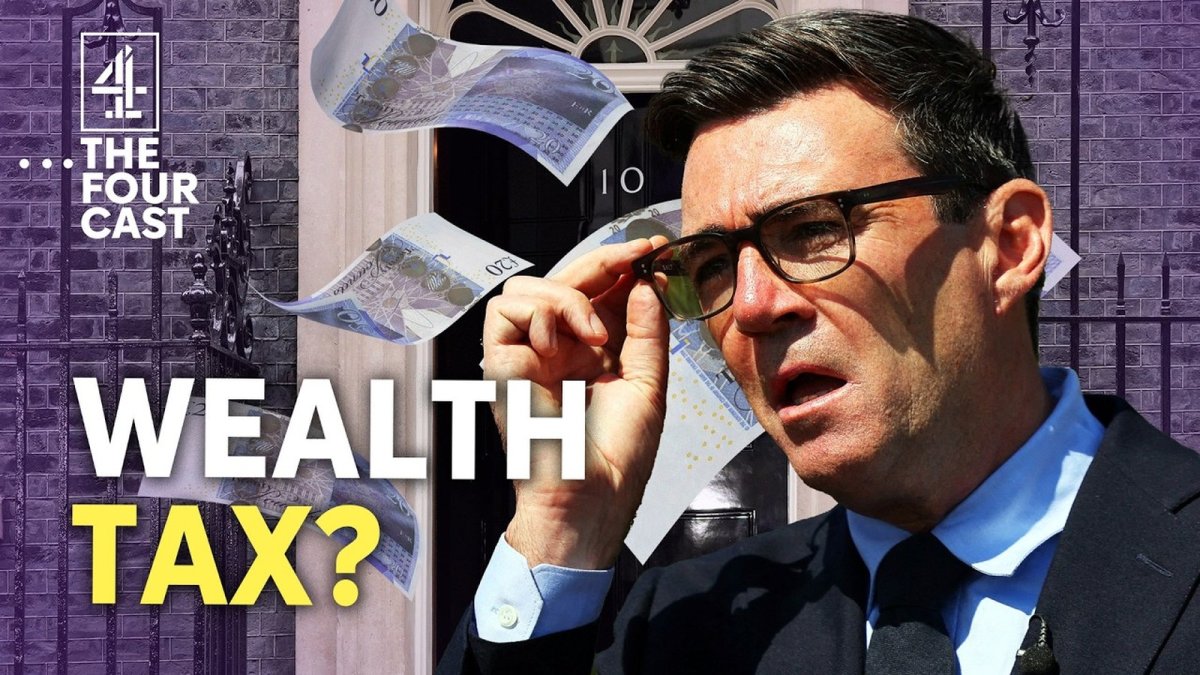
The £10bn Question: What Would a Wealth Tax Actually Look Like?
The most concrete proposal on the table comes from a study by Zucman and Ben Tippet, lecturer in economics and wealth inequality at King's College London, published in The Guardian on 21 July 2026. Their plan would impose a 2% minimum charge on households with more than £100m in wealth — a group of fewer than 1,000 of the UK's richest families. The levy would raise approximately £10bn a year — a sum the Mirror noted would cover more than a third of the total core schools budget in England, which stood at around £65bn in 2025-26.
The mechanism is deliberately narrow. HMRC would be forced to calculate the accumulated wealth of the UK's richest families, including property, private businesses, pension wealth, art, land and charitable assets over which they exercise control. Crucially, the plan includes a rule forcing rich families to pay the tax for at least 10 years after they quit the UK, denying them the ability to simply move country to avoid it.
"The objective is not to create a broad-based wealth tax affecting millions of households but rather a focused tax on extreme wealth that can make billionaires pay the same tax rates as the rest, raise meaningful revenues and dampen runaway inequality," the report states. Zucman argues that "given the small numbers of households that would be taxed, the UK government could implement this quickly." His research has demonstrated that households with assets of £100m or more have the means to avoid most current taxes on wealth, using holding companies, charitable trusts and transfers between family members.
Burnham's Delicate Dance: Fairness Without Demonisation
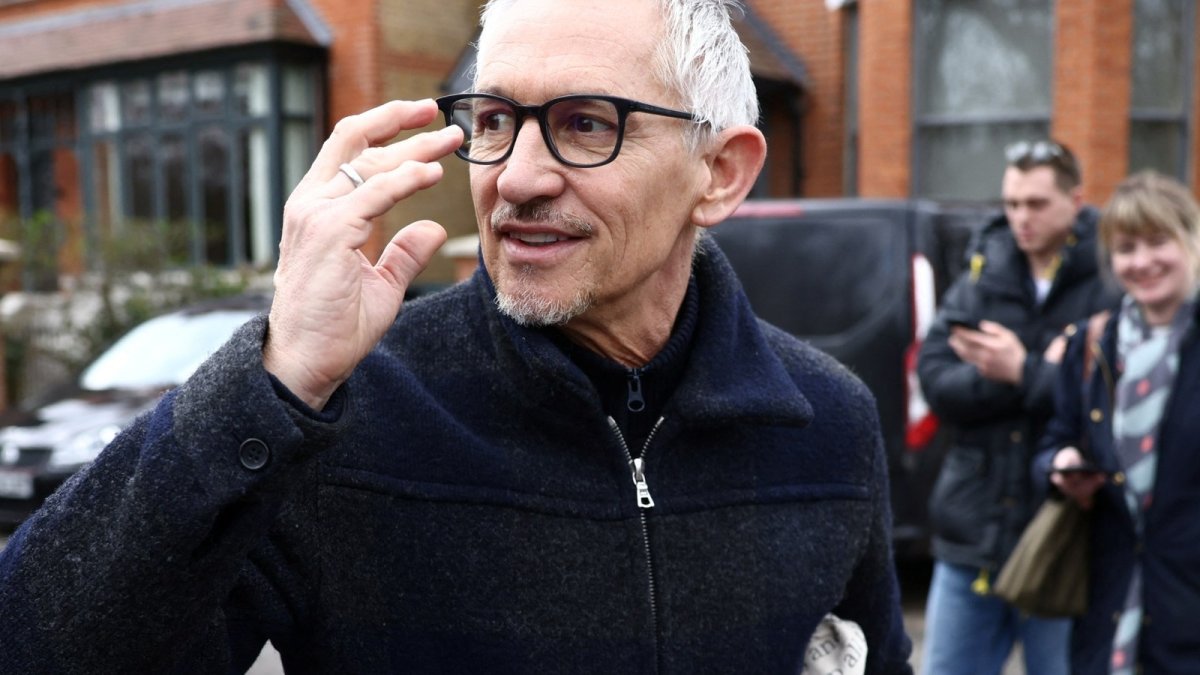
The incoming prime minister has been characteristically careful in his public positioning. In a 15 July 2026 interview with former footballer and Match of the Day presenter Gary Lineker on the Goalhanger podcast, Burnham said: "I'm not going to rule things out right now. I do believe we need a greater sense of fairness." He acknowledged the fiscal reality awaiting his government: "We are going to have to work quite hard to make sure, you know, we can pay our way. And at some point that might be having to ask for a little more. But, you know, those decisions are not for now. They're for another day."
He was equally explicit that the decisions ahead "are going to be difficult. I'm not going to shy away from that." Yet he was at pains to reject the politics of resentment: "I don't want to be perceived as somebody who's coming in with grudges and agendas and, you know, going to just immediately find or demonise one group or create a new way of dividing people."
Burnham, the Makerfield MP and former Greater Manchester mayor, declared his intention to replace Sir Keir Starmer as Labour leader and prime minister after his by-election win last month. He has committed to Labour's 2024 general election manifesto pledges not to raise VAT, income tax or national insurance. But he told LBC he felt there was "some room" for movement on tax, and suggested business rates on warehouses could be increased to fund tax cuts for pubs and some high-street businesses. His close advisers have focused on a rise in the threshold of capital gains tax to match income tax to raise extra revenue, and he has hinted a wealth tax could be part of his 10-year plan for the UK.
The Millionaires' Plea: "We Want You to Tax Us"
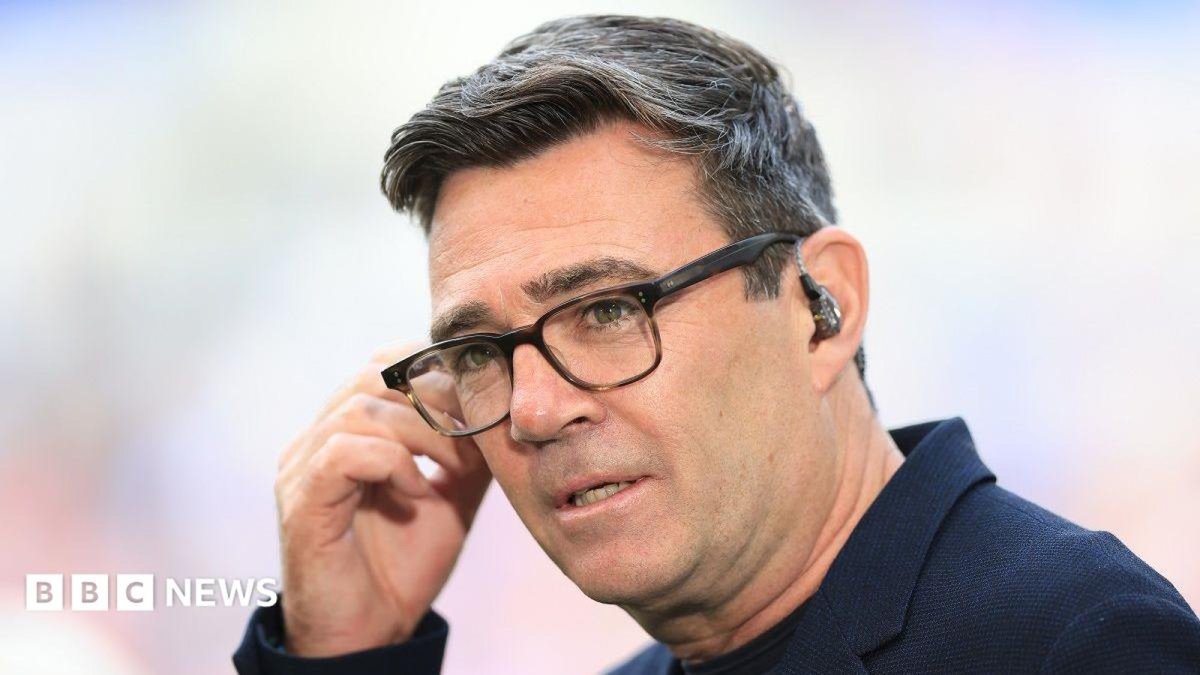
Perhaps the most striking development in this debate came on 23 July 2026, when more than 100 UK-based millionaires, led by Lineker, signed an open letter to Burnham urging him to tax their wealth more. The message was unambiguous: "We want you to tax us. We can afford it." The letter, organised by Patriotic Millionaires UK, argued that "wealth and power have been concentrated in a small group for too long."
The intervention has given political cover to a policy that might otherwise be painted as class warfare. Zucman and Tippet said the tax would "raise meaningful revenues and dampen runaway inequality." An Independent poll found almost four in five readers backed a wealth tax on the super-rich, suggesting significant public appetite for the measure.
The broader coalition for reform extends well beyond the millionaires' letter. Oxfam GB and Tax Justice UK support a 2% wealth tax on assets over £10 million, which Oxfam says could raise up to £24bn a year, plus capital gains tax reform to raise a further £14bn a year. The Green Party of England and Wales backs a wealth tax of 1% annually on assets above £10m and 2% on assets above £1bn. Tax Justice UK has said 10 tax reforms including a net wealth tax on assets over £10m could raise £60bn a year — a figure that would transform the fiscal landscape for public services and defence.
The Laffer Counter: Why Taxing Wealth Could Backfire
Arthur Laffer, the economist whose curve famously suggested that lower tax rates can sometimes increase revenue, offers a robust counter-argument. He contends that a wealth tax is the wrong way to tackle inequality, arguing instead that a low-rate, broad-based tax system would create more opportunity. His position is that taxing accumulated wealth risks driving capital, entrepreneurs and investment out of the country — precisely the concern that has historically made UK chancellors cautious about such measures.
Laffer also insisted that Liz Truss's economic programme was never given the chance to work, but could have been a success — a provocative claim given the market turmoil that followed her September 2022 mini-Budget. His presence in the debate ensures that the case for a wealth tax is not going unanswered, and his arguments will resonate with Conservative critics who see Burnham's hints as the opening salvo in a tax-raising agenda.
Zucman, for his part, argues that billionaires can end up paying far less tax, relative to their income, than ordinary people. For him, the case for a wealth tax is ultimately about more than raising money — it is "a basic question of fairness… and equality before the law." The philosophical clash between these two economists frames the choice facing Burnham more starkly than any party political positioning.
Political Battle Lines: Badenoch and Jenrick Strike Back
The political reaction has been swift and sharp. Conservative leader Kemi Badenoch said Burnham was not even prime minister yet "but he's already talking about raising your taxes again": "We are heading for another summer of chaos with Labour obsessing about who they can tax to pay for more benefits." Reform UK's Treasury spokesman Robert Jenrick said Burnham had admitted "people will have to pay more in tax" and should "rule out the ten taxes – £3,450 for every family – he's previously supported but has no mandate for."
Meanwhile, Wes Streeting has pledged a "wealth tax that works" (May 2026), suggesting the policy has support at the highest levels of the Labour Party. The international context adds further momentum: in 2024, countries including Germany and Brazil said the world's 3,000 billionaires should pay a minimum 2% tax on their fast-growing wealth to raise $250bn a year for the global fight against poverty. At the last G20 meeting in South Africa, president Cyril Ramaphosa said intervention was needed after a report showed more than $70tn (£52tn) of inherited wealth will pass down the generations across the world over the next decade, widening inequality. New York City mayor Zohran Mamdani has imposed a tax on second homes and called for a broader wealth tax.
The Trump Factor and the Road to No 10
Burnham's international positioning will also matter. Asked how he would deal with US President Donald Trump, he said he would "meet him where he's at" and deal with him "very upfront", noting "I think he likes people to deal with him." Trump has described Burnham as "extremely liberal" and "mayor of a town"; Burnham joked "what Mancs are like... that won't have gone down fantastically well in the city I used to represent." Starmer's relationship with Trump deteriorated over the Iran war, and Burnham will need to navigate a delicate transatlantic balance while pursuing his domestic agenda.
The historical evidence on wealth taxes is mixed. The report by Zucman and Tippet acknowledged that European wealth taxes have declined since the 1990s, but argued those were "fundamentally different": "Wealth taxes work best when they focus on the very wealthiest households, apply to a broad asset base and are supported by strong administrative enforcement." Tippet added: "The report shows that a well-designed minimum tax on the very wealthiest households is a realistic, targeted reform that would make the UK's tax system fairer while raising substantial revenues." Because the tax targets a small group, "the familiar criticisms of wealth taxes – administrative complexity, asset valuation, liquidity constraints and impacts on entrepreneurs – do not hold."
The Bottom Line — What Comes Next
Burnham becomes prime minister on Monday 24 August 2026, and the wealth tax question will not wait long for an answer. His 10-year plan for the UK is expected to address the issue directly, and his advisers have already focused on capital gains tax reform as a first step. The £10bn that a 2% tax on the super-rich could raise is not trivial — it represents, as the Mirror noted, more than a third of the core schools budget — but it is also not the £60bn that more comprehensive reform could deliver.
The incoming prime minister's language has been carefully calibrated: fairness without demonisation, fiscal responsibility without austerity, reform without revolution. But the pressure from his own backbenches, from civil society, and from the millionaires themselves will be intense. The question is no longer whether Britain will have a debate about taxing the rich — that debate is happening now, on Channel 4, in the pages of The Guardian, and in the letterboxes of No 10. The question is whether Burnham, once in office, will have the courage to act.
This article was produced with AI-assisted research and editorial support. Sources: Channel 4 News, BBC News, The Guardian, Al Jazeera, Press Association.
By Erica Thornton, Staff Writer
What's Your Reaction?
 Like
0
Like
0
 Dislike
0
Dislike
0
 Love
0
Love
0
 Funny
0
Funny
0
 Wow
0
Wow
0
 Sad
0
Sad
0
 Angry
0
Angry
0

US Politics and Policy Correspondent at Global1.News. Based in Washington DC, covering American politics, policy, elections, and the courts. Knows how the system works and tells you what it actually means.











Comments (0)