
Boeing Kept a 737 MAX Software Fault Undisclosed for Nearly Two Years, and the Max 10 Is Now in the Crosshairs
Boeing has kept a 737 MAX flight-computer software fault undisclosed for nearly two years, and the FAA is now convening a Corrective Action Review Board as Southwest and United refuse new aircraft carrying it.
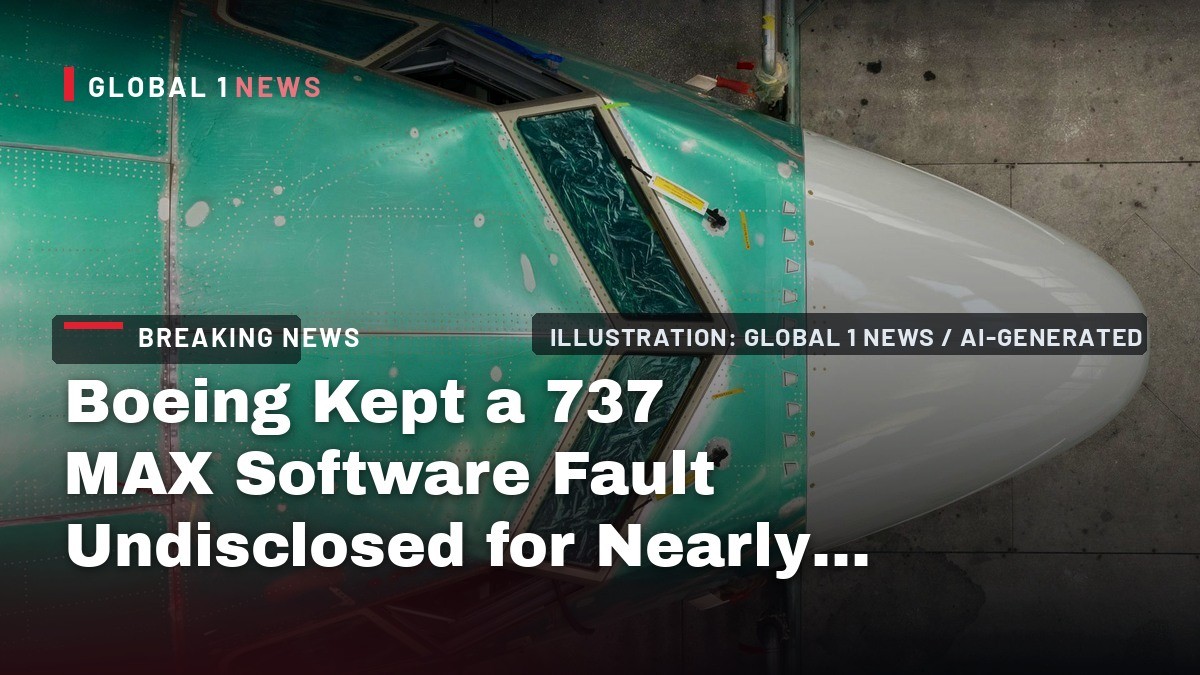
Boeing has identified a previously undisclosed software glitch in its 737 MAX flight-management computer that can cause an automated navigation feature to disengage during a landing, the company said Saturday. The fault affects versions 14 and 14.1 of the flight computer's operating system and surfaces when pilots alter a preprogrammed flight path after a missed approach. Boeing told operators about the issue last month and notified the FAA, which now plans to convene a Corrective Action Review Board. Southwest Airlines and United Airlines have asked Boeing not to deliver new MAX aircraft equipped with it.
Boeing Kept a 737 MAX Software Fault Undisclosed for Nearly Two Years, and the Max 10 Is Now in the Crosshairs
Seattle, United States - Boeing knew about the flaw in November 2024, decided three months later it was not a safety issue, and only launched a formal safety review after operators came back with more information. The FAA is now reviewing the manufacturer's findings, and the fallout could reach the certification of the 737 Max 10.
What Boeing Told Airlines - and When
Boeing sent operators a bulletin in August describing the glitch and stating it was not an immediate safety issue, according to CBS News. The same bulletin told airlines a software fix would be ready sometime in 2028, and that updated procedural guidance for pilots would arrive in November. Boeing is now working to accelerate both timelines. The Wall Street Journal first reported the issue, citing a company document sent to operators in August. In an emailed statement to Reuters, Boeing said it "shared information with operators that reinforced existing pilot procedures for safely handling such cases" and that its engineers "are working on a software update to permanently address the issue." The company also said it is working directly with airlines to formalize a procedure that would let pilots reenable automated vertical navigation if the situation occurs.
How the Glitch Unfolds in the Cockpit
The sequence is specific. A pilot is flying a precision approach with the autopilot engaged. The approach is missed, a go-around is called, and the crew alters the preprogrammed flight plan. In rare circumstances, the flight management computer then causes the aircraft's vertical navigation system, known as VNAV, to disengage and transition to a less sophisticated level of automated pitch control, such as level-change or vertical speed mode, according to CBS News. VNAV is designed to maintain preplanned altitudes at waypoints along a route. If it drops out, pilots must take additional steps on their next approach. The scenario typically plays out near a low-altitude airport environment, where crews already carry a high workload. An airline source put the problem to CBS News in two questions: "How busy do you want your crew to be?" and "Are you introducing distractions at the worst possible moment?" A Boeing spokesperson said autopilot continues to function even if VNAV disengages, and that all pilots are trained to land safely without it.
The Regulator's Answer: A Corrective Action Review Board
The FAA said it was aware of a potential issue in a software update for the flight computers on certain Boeing 737 MAX airplanes and was working closely with Boeing and the airlines. "The FAA will convene a Corrective Action Review Board and will take immediate action if it identifies a safety concern," the agency said in a statement. The board will determine whether a safety concern exists and the best way to address it, and it will review Boeing's proposed fix. Boeing notified the FAA of the issue as part of its safety review process, and work is taking place under the agency's oversight to complete the software update. The FAA did not disclose a timetable for the board's review.
Two Carriers Say No to the New Software
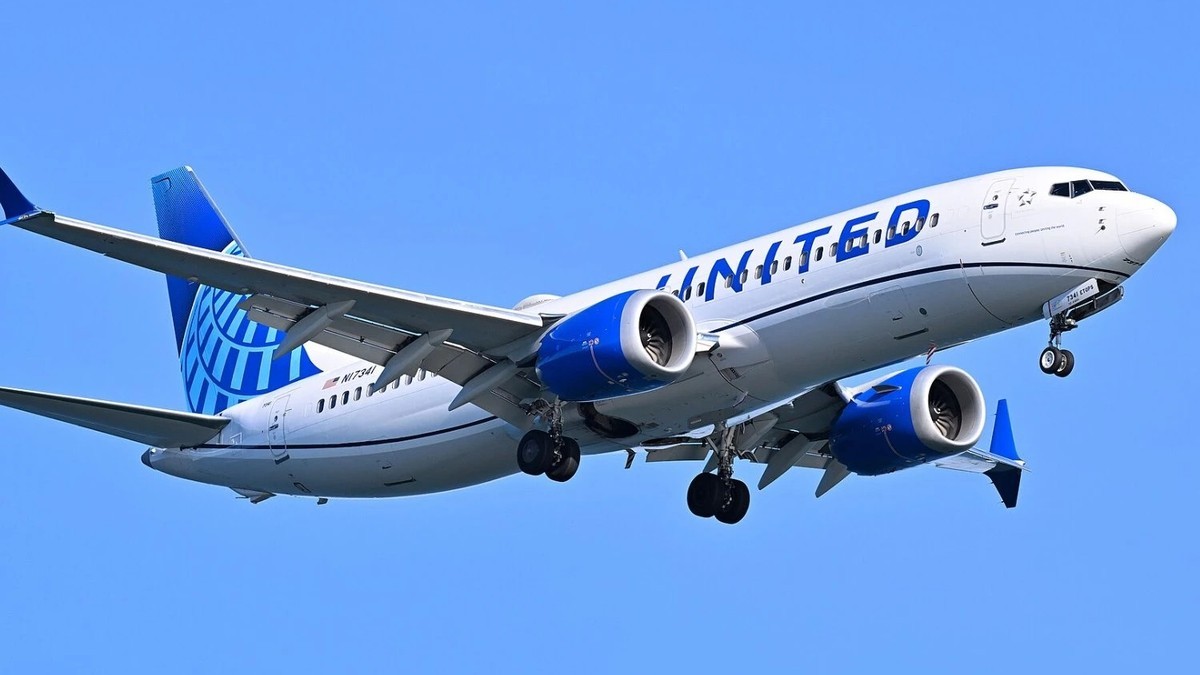
Southwest Airlines and United Airlines have asked Boeing not to deliver new 737 MAX aircraft equipped with the affected software and instead requested an earlier version, according to The Wall Street Journal. Aviation Week reported that both carriers requested Boeing pause 737 deliveries until updated software is tested, developed and installed. The two accounts describe the same posture in different terms, and the difference is not cosmetic: a refusal of specific airframes is not a blanket delivery halt. Southwest said it is "aware of the issue and is engaged with Boeing and the FAA," adding that "none of our fleet is equipped with Version U.14, including new deliveries of Max 8 airplanes." United said it is not taking any Max aircraft deliveries with the new software. Airlines can revert some Maxes to the older software version. Alaska Airlines, American Airlines, Southwest and United all told CBS News that none of their in-service 737 Max fleets use the software version in question.
Why the Timing Could Not Be Worse
The disclosure lands as Boeing tries to close out the two certification programs that anchor its narrowbody backlog. The FAA certified the 737 Max 7, the smallest member of the family, in early August with the newest software installed. The Max 10, the fourth and largest variant, was thought to be days away from achieving FAA certification, though it is years behind schedule. Boeing CEO Kelly Ortberg told investors earlier this month that he expected FAA certification of the Max 10 "very soon." The FAA review could further delay that certification. There are 2,430 Max aircraft currently in service globally, according to Cirium. It was not immediately clear how many of them carry the flawed software, and Boeing, the airlines and regulators are still assessing whether the issue poses a flight-safety concern.
The Max 7 and Max 10 Problem
The software versions at the center of the review are not incidental to the two new models. The Max 7 was certified with software version 14, while the Max 10 was using version 14.1 during its certification testing, according to CBS News. That places both programs directly in the path of the FAA's review. Nearly the entire order book for the Max 7 is going to Southwest, which was set to start receiving Max 7 deliveries this fall. It is unclear whether the airline will take delivery at this time. Alaska Airlines is supposed to be the launch customer for the Max 10. It was not immediately clear whether the Max 7 could be delivered or fly with an older version of the software. Boeing said the issue appears to only affect the latest version of the flight management computer's software, so some operators will not be impacted at all.
A Two-Year Paper Trail Nobody Disclosed
Boeing was first told of the issue by an airline in November 2024, according to CBS News. The company reviewed it and determined in February 2025 that it was not a safety issue. Boeing then received what a source described as "additional information from operators" earlier this year, which prompted the manufacturer to launch a formal safety review board. That is more than a year between the first report from an airline and the formal review, and roughly twenty-one months before Boeing told operators about the fault. The board's findings were sent to the FAA this month and will be reviewed by the Corrective Action Review Board.
346 Dead, and a Trust That Has Not Come Back
Two fatal 737 MAX crashes in 2018 and 2019 killed 346 people. A flawed flight control software system, since updated, was implicated in both. The worldwide grounding that followed reshaped how regulators oversee the manufacturer. Then came a mid-air cabin panel blowout on a nearly new Alaska Airlines MAX 9 in January 2024, blamed on manufacturing mistakes. Boeing has been under intense regulatory and safety scrutiny ever since. That history is the reason a software fault that Boeing itself classified as not an immediate safety issue is now being examined by a federal review board, and the reason two of the largest MAX operators want nothing to do with the version of the software that carries it. The company's own account is that pilots are trained to land without VNAV. The question the review board will answer is whether training is a sufficient substitute for software that works.
What a Permanent Fix Actually Requires
Boeing's remedy is a software update, and the company is trying to pull it forward from its original 2028 target. Until that update is certified and installed, the interim answer is procedure: pilots must take additional steps to use automated tools on approaches that follow a missed approach, and Boeing is working with airlines to formalize a procedure that would let crews reenable automated vertical navigation if the fault occurs. Airlines can revert some Maxes to the older software version, which is what Southwest and United have effectively demanded for new deliveries. The FAA will review Boeing's proposed fix through the Corrective Action Review Board. None of that changes the arithmetic for aircraft already built with versions 14 or 14.1, or for the certification programs that used them.
What Comes Next
The Corrective Action Review Board will assess Boeing's findings and determine whether a safety concern exists and how best to address it. The FAA has said it will take immediate action if it identifies one. Boeing is working to accelerate both the software fix and the updated guidance for pilots. Southwest's Max 7 deliveries and Alaska's Max 10 launch position both sit downstream of those decisions. What remains unclear is how many of the 2,430 aircraft in service are flying the version of the software that carries the fault. Boeing, the airlines and regulators are still assessing whether the issue poses a flight-safety concern at all.
By Jessica Ali, Staff Writer
This article was produced with AI-assisted research and editorial support. Sources: Reuters, CBS News, CNBC, The Seattle Times, Aviation Week, Air Data News and The Wall Street Journal.
What's Your Reaction?
 Like
0
Like
0
 Dislike
0
Dislike
0
 Love
0
Love
0
 Funny
0
Funny
0
 Wow
0
Wow
0
 Sad
0
Sad
0
 Angry
0
Angry
0

Editor-in-Chief at Global1.News. Atlanta-based journalist who cuts through the BS and tells it like it is. Lead anchor, host, and the voice you hear when the spin stops and the truth starts.















Comments (0)