
‘Leinster need plan for Luan’
As the URC rolls into its next round, all eyes turn to Kings Park where the Sharks will host the under‑strength Leinster side. O’Sullivan described the youngster as a “precocious talent”, noting that his impact went beyond the scoreboard.
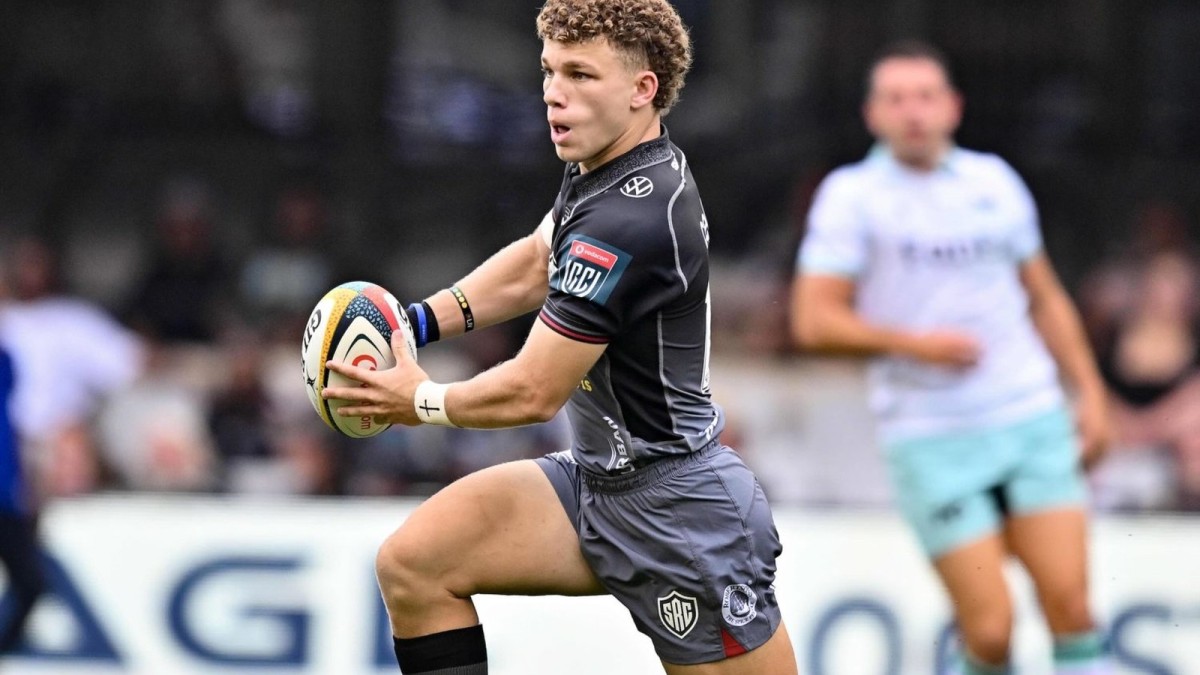
As the URC rolls into its next round, all eyes turn to Kings Park where the Sharks will host the under‑strength Leinster side. The buzz isn’t just about the Irish province’s depleted back‑line – it’s about a 20‑year‑old South African talent who has already lit up the competition with a double‑try display against the Ospreys. Luan Giliomee, the former Junior Bok now bound for the Bulls, is the name on every pundit's lips, and Irish Times writer John O’Sullivan has sounded the alarm: Leinster need a plan for Luan.
Giliomee’s breakout performance in Durban
The Sharks’ opening‑round triumph over the Ospreys in Durban was a showcase of raw attacking flair, and at the centre of it was Giliomee’s two‑try haul. O’Sullivan described the youngster as a “precocious talent”, noting that his impact went beyond the scoreboard. The first try, in particular, caught the Irish writer’s eye for its blend of timing, acceleration, footwork, balance and peripheral vision – a “composite of excellence” that signalled a player comfortable in the high‑tempo URC environment.
What makes this performance stand out for South African fans is the reminder of the depth of talent emerging from our provincial pathways. Giliomee, a former Junior Bok, has taken the step from youth internationals to senior professional rugby with a swagger that echoes the early days of many Springbok greats. His ability to cover multiple positions – scrum‑half, fly‑half and full‑back – adds a layer of versatility that South African coaches cherish, especially as the national team continues to look for adaptable backs who can slot into varied game plans.
Physical profile and playing style
At 175cm and 81kg, Giliomee sits comfortably within the modern prototype of a dynamic back. O’Sullivan likened him to two of the Springboks’ most dangerous backs – Cheslin Kolbe and Kurt‑Lee Arendse – pointing to his size, speed and skill set. While Kolbe is famed for his lightning‑quick footwork and Arendse for his power off the beat, Giliomee’s game blends both attributes, making him a threat in broken‑play situations and a reliable line‑breaker in set‑piece moves.
The Irish writer highlighted Giliomee’s ability to run for metres – 144 in the match against the Lions – and to beat six defenders in a single spell. Those numbers, while modest in the grand scheme, illustrate a player who combines physical resilience with a knack for finding space. For South African supporters, this mirrors the classic Springbok ethos of “playing for the long ball” while also embracing the modern demand for quick, incisive attacks.
The Leinster challenge: a test of defensive mettle
Leinster arrive at Kings Park without a full complement of stars, a situation that could open the door for Giliomee to exploit gaps in the Irish defence. O’Sullivan warned that while Leinster are forewarned, they are not yet forearmed – the on‑field adjustments will be crucial. The Irish side’s back‑line, already thin, will need to rely on disciplined positioning and quick decision‑making to contain a player who can strike from anywhere on the field.
For South African rugby observers, the match serves as a litmus test for how our emerging talent can fare against European powerhouses. A strong showing from Giliomee could reinforce the argument that South Africa’s developmental structures are producing backs capable of influencing games on the global stage, a point that resonates deeply in a nation where rugby remains a unifying cultural force.
Spotlight on the 15 jersey
O’Sullivan specifically singled out the number 15 jersey as the platform where Giliomee can truly shine in the URC. The full‑back role demands a blend of defensive solidity, counter‑attacking flair and aerial prowess – all areas where Giliomee has already shown promise. His performance against the Ospreys demonstrated a keen sense of when to join the line, when to stay deep and how to exploit space with his acceleration.
In South Africa, the full‑back position has produced legends from Joost van der Westhuizen’s early days to the modern era’s Jan Serfontein. Giliomee’s emergence adds a fresh chapter to that lineage, and his ability to play the 15 jersey effectively could see him become a template for future Springbok full‑backs, especially as the national team looks to blend traditional kicking strength with explosive counter‑attack.
Todd Lawlor vs Luan Giliomee: a youthful duel
The clash between Giliomei and Leinster’s own 20‑year‑old full‑back Todd Lawlor adds an extra layer of intrigue. Lawlor, who debuted in a narrow 27‑26 loss to the Lions at Ellis Park, impressed with his own metre‑gaining runs – 144 metres – and the ability to beat multiple defenders. O’Sullivan praised Lawlor’s composure, noting his confidence in taking on the Lions’ chasing line and handling back‑kicks.
This parallel development of two young full‑backs from opposite hemispheres highlights a broader narrative: the rise of a new generation of backs who are comfortable under pressure and capable of making decisive contributions early in their careers. For South African fans, seeing Giliomee test himself against a peer from the European circuit underscores the global nature of talent pathways and the importance of cross‑continental experience in shaping future Springbok stars.
Implications for the Bulls and the URC
While Giliomee is set to join the Bulls later in the season, his current stint with the Sharks offers a preview of what the Pretoria‑based franchise can expect. The Bulls, who have been rebuilding after recent seasons, will benefit from a player who can slot into multiple back‑line positions, providing depth and competition for places. His exposure to the URC’s high‑intensity environment will only sharpen his skill set, making him a more valuable asset when he returns to the South African domestic competition.
The broader URC landscape also feels the ripple effect of Giliomee’s emergence. As the competition continues to attract South African talent, the league’s reputation as a proving ground for future Springboks strengthens. This aligns with the national team’s strategic aim of giving young players exposure to varied playing styles, a factor that has historically contributed to South Africa’s success on the world stage.
What South African fans can expect
For the SA rugby faithful, the upcoming clash at Kings Park is more than a provincial fixture – it’s a showcase of home‑grown talent on an international platform. Giliomee’s performance will be dissected by coaches, commentators and fans alike, each looking for signs that he can transition from a promising youngster to a mainstay in the Springbok setup.
Beyond the on‑field action, the match carries symbolic weight. It reflects the ongoing dialogue about transformation and opportunity within South African sport. Giliomee, a former Junior Bok, embodies the pathways that have been opened for black and coloured players to rise through the ranks, a narrative that resonates deeply in a country still navigating the legacy of its past. A standout performance could inspire a new wave of youngsters from townships and rural areas, reinforcing the belief that talent, when nurtured, can shine on the biggest stages.
This article was produced with AI-assisted research and editorial support. Reporting is based on the source material cited below. Sources: SARugbyMag; sarugbymag.co.za; Global1.News (30 September 2026).
By Dante Williams, Staff Writer
What's Your Reaction?
 Like
0
Like
0
 Dislike
0
Dislike
0
 Love
0
Love
0
 Funny
0
Funny
0
 Wow
0
Wow
0
 Sad
0
Sad
0
 Angry
0
Angry
0

Breaking News and Investigations Correspondent at Global1.News. Based in London, covering global breaking news, security, and investigative stories. Known for digging deeper and connecting the dots across continents.










Comments (0)