
The start-ups hoping to return battery making to the US
When Europe sweltered under record heat this summer, a modest‑size battery maker in San Diego saw its order books swell. The chemistry can tolerate temperatures down to minus 40 °C, making it a better fit for both scorching summers and frigid winters.
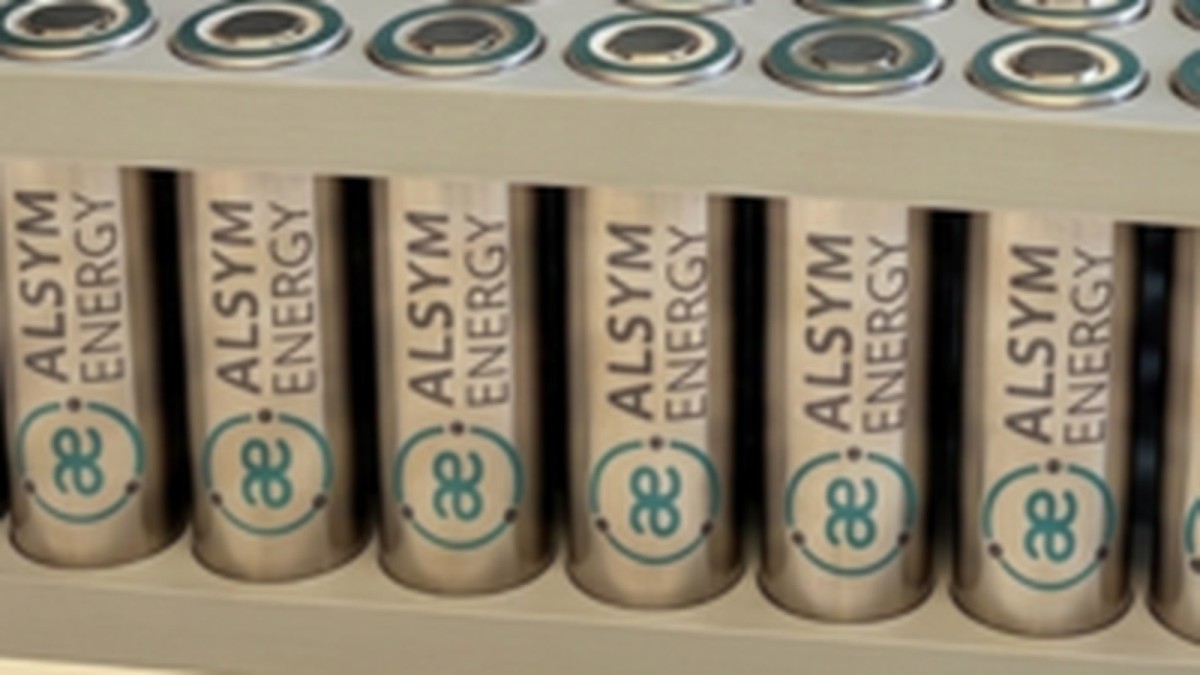
When Europe sweltered under record heat this summer, a modest‑size battery maker in San Diego saw its order books swell. Unigrid, a start‑up that sells a nine‑kilowatt‑hour sodium‑ion home battery, suddenly found homeowners in Spain, France, Germany and the Netherlands scrambling for a way to store cheap off‑peak grid power and run air‑conditioners on that stored energy during the hottest hours. “We’ve shipped the first 100 units and expect to ship 1,000 before the end of the year,” says co‑founder and CEO Darren Tan, underscoring how a weather‑driven spike in demand can turn a niche technology into a fast‑moving market.
Why sodium‑ion matters now
Sodium‑ion cells are attracting attention because they sidestep two of lithium‑ion’s biggest headaches: raw‑material dependence on China and fire risk. The chemistry can tolerate temperatures down to minus 40 °C, making it a better fit for both scorching summers and frigid winters. In addition, sodium is abundant and cheap, which could translate into lower build‑and‑operate costs compared with lithium‑ion.
Industry insiders, however, caution that the technology is still a work in progress. The debate over the safest, most efficient sodium‑ion design is lively, and several U.S. companies have stumbled in recent years. Yet the promise of a battery made entirely from domestically sourced materials—something still out of reach for lithium‑ion—keeps investors and engineers betting on sodium.
Supply chain realities: China still leads
Today’s sodium‑ion cells still largely come from China. Unigrid’s current batteries use Chinese‑made sodium‑ion cells, a fact Tan acknowledges. “We can switch back and forth and choose what battery we want to work with,” he says, hinting that a future U.S. supply chain is possible but may carry a different cost structure.
Other start‑ups are in the same boat. Seattle‑based Emerald Battery Labs and California/Colorado‑based Peak Energy both rely on Chinese cells for their first products. Emerald is building 12‑volt auxiliary batteries for commercial fleets, while Peak Energy is partnering with General Motors to set up a U.S. supply chain, targeting a Michigan production facility by the end of 2028.
Safety under the microscope
Unigrid’s battery uses a chromium‑III cathode, a choice that has sparked safety concerns. Professor Dame Clare Grey of Cambridge, co‑founder of Nyobolt, warns that under certain conditions chromium‑III can transform into chromium‑VI, a known carcinogen. “If you’re going to sell safety, then don’t start putting elements in that raise red flags,” she tells the BBC.
Ivana Hasa of the Warwick Manufacturing Group, unaffiliated with Unigrid, agrees the conversion is possible at very high states of charge but says it can be mitigated through voltage control. Tan pushes back, calling the toxicity worries “overblown.” He points to third‑party tests that failed to produce chromium‑VI even after aggressive over‑charging, and notes that the battery has already cleared European certification and is undergoing U.S. evaluation.
Cost comparison: sodium vs. lithium
Last December, LFP lithium‑ion batteries were trading around $81 per kilowatt‑hour, while Unigrid’s sodium‑ion offering is priced roughly at $100 per kilowatt‑hour. Some industry voices suggest sodium‑ion could eventually hit $30 per kilowatt‑hour, but analysts warn that such a drop may be many years away.
The price gap reflects both the nascent state of the supply chain and the higher material cost of current sodium‑ion cells. Still, the lower fire risk and broader temperature tolerance could offset the premium for many users, especially those looking to store cheap off‑peak power for climate‑control during heat waves.
Market outlook: where sodium‑ion could dominate
Because sodium‑ion cells are bulkier and heavier than lithium‑ion, they are unlikely to replace batteries in smartphones or other high‑energy‑density gadgets. Their sweet spot lies in larger‑scale storage: residential home systems like Unigrid’s, grid‑level storage, and vehicle auxiliary power packs.
David Bell, co‑founder and CEO of Emerald Battery Labs, predicts sodium‑ion will eventually capture about 80 % of the market. While the exact timeline is unclear, confidence in the technology’s reliability has risen sharply in recent years, according to Professor Grey, and manufacturers are already deploying it in grid‑storage projects.
Data centres as a growth engine
One of the biggest drivers behind the sodium‑ion push is the exploding electricity demand from data centres. In the United States, data centre growth is inflating greenhouse‑gas emissions, and operators are hunting cheaper, safer storage to smooth renewable‑energy integration. Oregon‑based ESS Tech’s CEO Drew Buckley sees sodium‑ion as a way to shift renewable power to data centres at lower operating cost than lithium‑ion.
The same demand surge is rippling abroad, with the UK also feeling pressure from data‑centre expansion. This global appetite for large‑scale, cost‑effective storage is creating a fertile market for start‑ups that can deliver domestically produced sodium‑ion cells.
The road ahead: policy, partnerships, and production
U.S. policy incentives for domestic battery manufacturing could tip the scales. The partnership between Peak Energy and GM, announced in June, aims to build a supply chain that reduces reliance on Chinese imports. If the Michigan plant opens by the end of 2028 as planned, it could catalyze a cascade of U.S.‑based sodium‑ion production, lowering costs and boosting job creation.
Meanwhile, Unigrid is positioning itself as a bridge between current Chinese supply and a future American one. By proving the technology works—through European certification and rigorous over‑charging tests—Tan hopes to attract investors and partners willing to fund the next generation of U.S.‑sourced cells. The coming months will reveal whether the sodium‑ion promise translates into a home‑grown industry or remains a niche import‑dependent market.
This article was produced with AI-assisted research and editorial support. Reporting is based on the source material cited below. Sources: BBC Technology; bbc.co.uk; Global1.News (30 September 2026).
By Nova Chen, Staff Writer
What's Your Reaction?
 Like
0
Like
0
 Dislike
0
Dislike
0
 Love
0
Love
0
 Funny
0
Funny
0
 Wow
0
Wow
0
 Sad
0
Sad
0
 Angry
0
Angry
0

Trend Reporter at Global1.News. Based in San Francisco, tracking the stories crossing from social platforms, forums, and community discussions into mainstream news — tech breakthroughs, cultural shifts, and world events that real people are engaging with right now.














Comments (0)