
Türkiye slip to 31st in FIFA rankings after Nations League defeats
From World Cup high to Nations League low Turkey entered the current ranking cycle at 27th, buoyed by its participation in the 2026 FIFA World Cup. However, the opening matches of the Nations League A campaign have reversed that momentum.
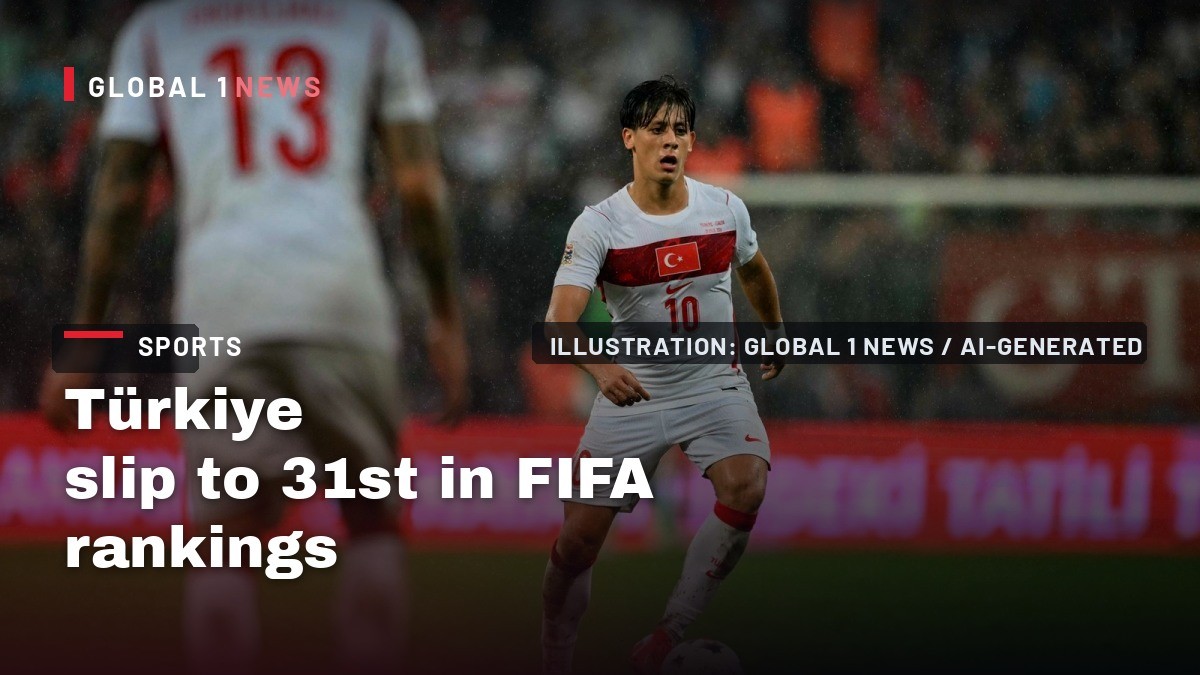
Turkey’s recent slide to 31st place in the FIFA Men’s World Ranking, following back‑to‑back defeats to France and Italy in the UEFA Nations League, offers more than a sporting setback; it reflects the broader challenges of a nation striving to assert itself on multiple fronts amid shifting regional dynamics. As the Turkish national team grapples with a steep learning curve in Nations League Group A, the implications reverberate through the country’s domestic discourse, its diplomatic posture, and the wider Middle Eastern sporting landscape, where football often serves as a barometer of national pride and soft power.
From World Cup high to Nations League low
Turkey entered the current ranking cycle at 27th, buoyed by its participation in the 2026 FIFA World Cup. The World Cup, hosted jointly by the United States, Canada and Mexico, provided a platform for the Turkish side to showcase its progress after a decade of oscillating between UEFA Nations League tiers. However, the opening matches of the Nations League A campaign have reversed that momentum. A 1‑0 loss to France, followed by a 4‑1 drubbing by Italy on home soil in Bursa, stripped Turkey of crucial ranking points under FIFA’s formula, which weighs match importance, opponent strength and result.
The points deduction has pushed Turkey into the mid‑to‑low 1500s, a tangible drop that underscores how quickly fortunes can change when a team steps up to face the continent’s elite. While the ranking itself is a statistical exercise, its consequences extend to seeding in future draws and the perception of Turkish football’s trajectory, both domestically and abroad.
Ranking context: Europe’s elite and the shifting hierarchy
Spain’s dominance at the summit, with 2,002.34 points after clinching the 2026 World Cup, highlights the gulf between the traditional powerhouses and emerging contenders. Argentina, France and England occupy the next three slots, each with points in the high‑1900s to low‑1900s range. Turkey’s position in the 1500s places it well behind these leaders, but still ahead of several historically strong nations, indicating a middle‑tier status that is precarious given the competitive nature of Group A.
Within Group A, France leads, while Belgium and Italy each sit on three points. Turkey sits at the bottom with zero, reflecting the steep challenge of adapting from Nations League C, where it previously competed, to the top tier. The group’s composition—featuring two of the world’s top‑15 sides—means that each fixture carries significant weight for ranking calculations and for the psychological confidence of the Turkish squad.
Strategic implications for the national team
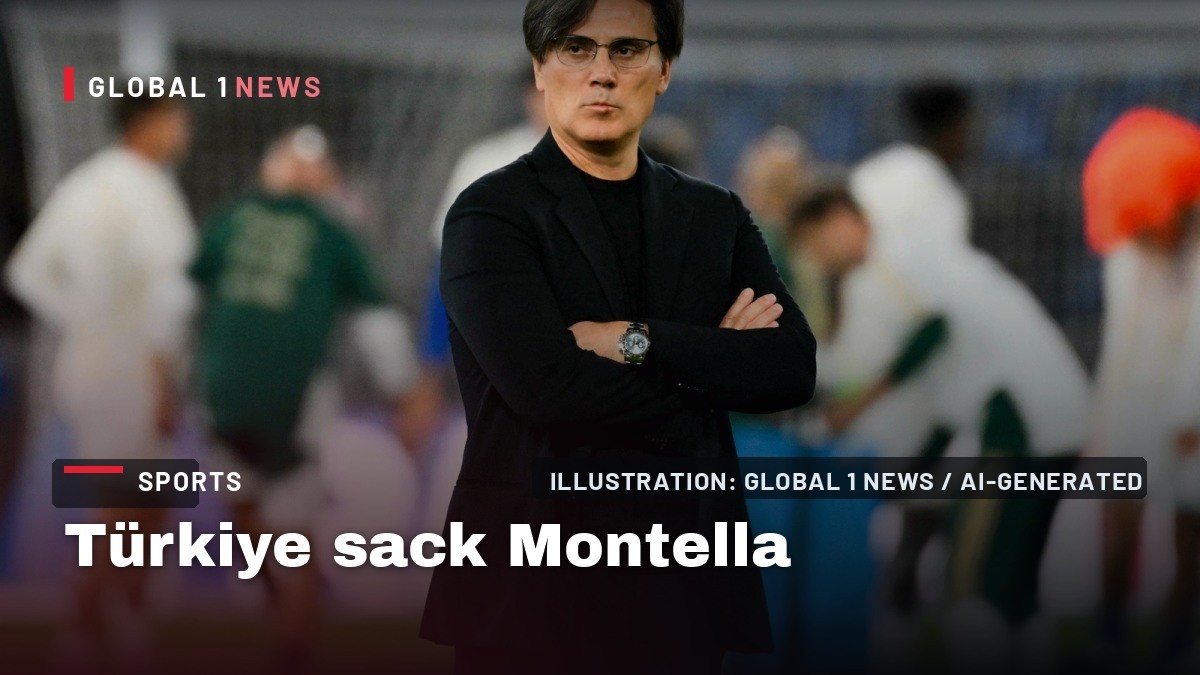
Coach Vincenzo Montella, who has overseen Turkey’s ascent from League C to League A, now faces heightened scrutiny. After the Italy defeat, Montella affirmed his commitment to the role, acknowledging that the performance fell short of expectations. He cited the absence of key players such as Kenan Yıldız, Hakan Çalhanoğlu and Mert Müldür, suggesting that squad depth remains a concern when competing at this level.
Montella’s task is twofold: to halt the ranking slide and to embed a tactical adaptability that can bridge the gap between Turkey’s current capabilities and the demands of facing top‑ranked opponents. The upcoming match against Belgium on 2 October offers a critical juncture; a positive result could mitigate the damage, while another loss would deepen the crisis and potentially affect future seeding in qualification pathways.
Domestic reverberations: football as a mirror of national confidence
In Turkey, football is more than a sport; it is a conduit for national identity and a source of collective morale. The recent defeats have sparked debate in the media and among supporters about the sustainability of the rapid rise through the Nations League ranks. Critics argue that the accelerated promotion may have outpaced the development of a robust talent pipeline, while proponents point to the progress made under Montello’s stewardship as evidence of a long‑term upward trajectory.
The loss of points also feeds into broader conversations about investment in youth academies, infrastructure, and the balance between domestic league priorities and national team success. As the Turkish Football Federation evaluates its strategic roadmap, the outcomes of the Nations League fixtures will likely influence budget allocations and policy decisions aimed at strengthening the national squad’s competitiveness.
Regional dynamics: Middle Eastern football in a shifting landscape
Turkey’s ranking dip occurs against a backdrop of evolving football dynamics across the Middle East. Nations such as Morocco, which sits fourth in the rankings, have leveraged recent strong results to bolster their regional standing. Meanwhile, Saudi Arabia and Qatar continue to invest heavily in domestic leagues and foreign talent, seeking to translate financial muscle into on‑field success.
The Turkish experience underscores a broader lesson for the region: rapid ascension through competition tiers demands not only financial backing but also a coherent development strategy that can sustain performance against established powers. As Gulf states watch Turkey’s challenges, they may recalibrate their own approaches to balancing league growth with national team advancement.
Implications for future international competitions
The FIFA ranking cycle directly influences seeding for major tournaments, including the next World Cup qualifiers and the UEFA European Championship. Turkey’s four‑place drop, while modest in absolute terms, could affect its placement in future qualification groups, potentially pitting it against stronger opponents earlier in the process.
Moreover, the Nations League results feed into the broader ranking algorithm that determines pathways for future competitions. Consistent underperformance in Group A could see Turkey relegated back to a lower tier, reversing the progress achieved over the past few years. Conversely, a rebound against Belgium could stabilize its position and preserve its hard‑won status in League A.
Looking ahead: strategic priorities for Turkish football
In the immediate term, the focus will be on preparing for the Belgium clash, addressing squad depth issues, and extracting tactical lessons from the defeats to France and Italy. Long‑term, the Turkish Football Federation must balance short‑term performance pressures with sustained investment in youth development, coaching education, and infrastructural upgrades.
Beyond the pitch, the episode illustrates how sport intertwines with national narratives in Turkey and the wider region. The ability to navigate setbacks, adapt to higher competition levels, and maintain public confidence will shape not only the fortunes of the national team but also Turkey’s broader soft‑power projection in a Middle East where football remains a potent cultural force.
This article was produced with AI-assisted research and editorial support. Reporting is based on the source material cited below. Sources: Daily Sabah Middle East; dailysabah.com; Global1.News (30 September 2026).
By Malik Hassan, Staff Writer
What's Your Reaction?
 Like
0
Like
0
 Dislike
0
Dislike
0
 Love
0
Love
0
 Funny
0
Funny
0
 Wow
0
Wow
0
 Sad
0
Sad
0
 Angry
0
Angry
0

Middle East Correspondent at Global1.News. Based in Beirut, covering politics, conflict, energy, and society across the Middle East. Brings context and depth to a region often reduced to headlines.












Comments (0)