
US Forces Exit Iraq Marking End of Two-Decade Military Presence
In a development that reverberates across the Middle East and beyond, the United States has completed the final phase of its troop withdrawal from Iraq, ending a military engagement that stretched back to the 2003 invasion.
In a development that reverberates across the Middle East and beyond, the United States has completed the final phase of its troop withdrawal from Iraq, ending a military engagement that stretched back to the 2003 invasion. The departure, reported by Al Jazeera English and echoed in the footage from the Pentagon, signals a new chapter in US‑Iraqi relations and raises questions about the security architecture that has been built around Iraq since the fall of Saddam Hussein. As a correspondent covering African and broader continental implications, I will trace the arc of the US mission, examine the strategic calculus behind the drawdown, and consider what the exit means for Iraq’s own stability and for African nations watching the shifting balance of power in the region.
From Invasion to Advisory Role: The Evolution of the US Mission
The US military presence in Iraq began in 2003 when roughly 130,000 American troops entered the country under the banner of Operation Iraqi Freedom. The initial objective was to topple the regime of Saddam Hussein, a goal achieved within weeks. However, the mission quickly morphed as sectarian violence erupted, prompting Washington to adjust its strategy. By 2007, President George W. Bush authorized a surge that swelled the force to about 170,000 troops at its peak, a move intended to quell the rising insurgency and stabilize the fledgling Iraqi state.
When the United States declared the war over in 2011, a formal withdrawal was undertaken, yet the exit was not absolute. Three years later, the rise of the Islamic State of Iraq and the Levant (ISIL) forced a return under Operation Inherent Resolve. This second deployment started modestly with 275 personnel and eventually grew to more than 4,000, reflecting a shift from large‑scale combat to a more focused counter‑terrorism effort. Over the subsequent decade, the US presence settled into a pattern of around 2,500 troops at any given time, primarily in advisory and training capacities.
The transition from combat to advisory roles illustrates a broader trend in US foreign policy: the preference for “light footprint” engagements that empower local forces while limiting direct American casualties. By the time Iraq announced victory over ISIL in 2017, the United States had already begun scaling back, moving away from kinetic operations toward mentorship of Iraqi security institutions.
These phases are crucial for understanding why the final withdrawal matters. It does not simply mark the end of a numbers game; it reflects the culmination of a strategic evolution that has shaped Iraq’s security sector, its political calculus, and the regional power dynamics that African states monitor closely for lessons on external intervention and statebuilding.
The Numbers Behind the Withdrawal
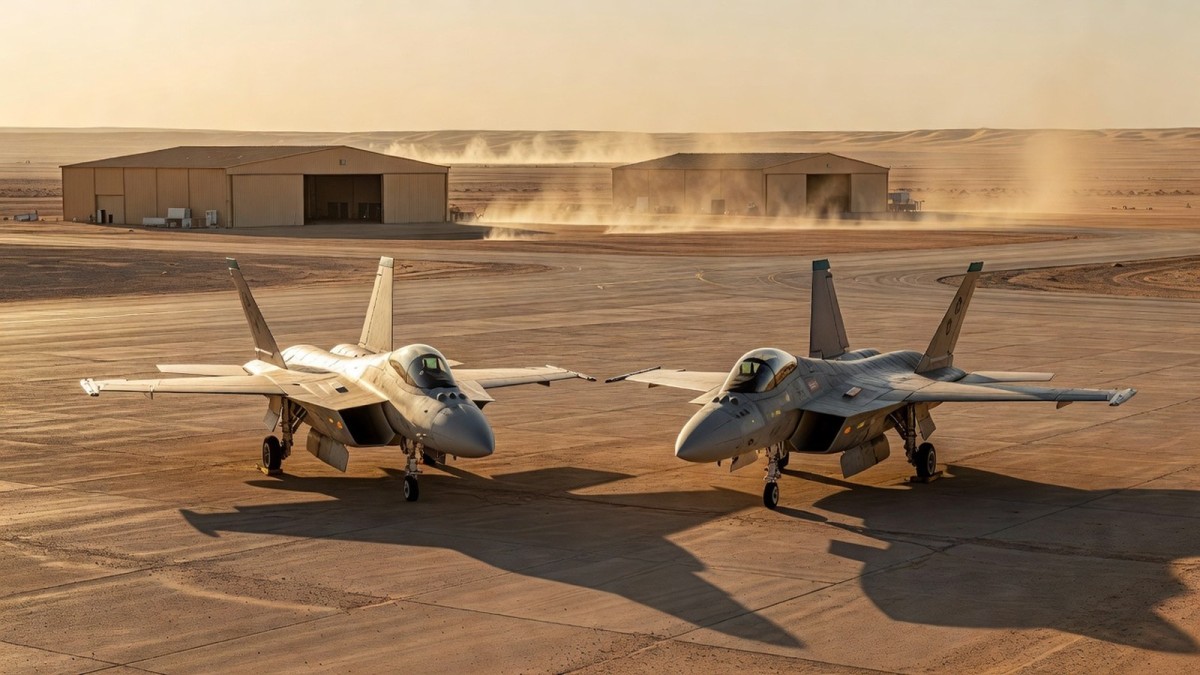
According to the Al Jazeera report, the United States maintained roughly 2,500 troops in Iraq during the most recent decade. This figure, while modest compared to the surge peak, represented a sustained advisory presence that involved training Iraqi forces, providing intelligence support, and conducting joint operations against residual ISIL elements. The steady size of the force underscores the long‑term commitment of Washington to a security partnership that extended well beyond the headline‑grabbing battles of Mosul and Fallujah.
The earlier phases of the mission saw far larger deployments. The 2003 invasion brought 130,000 troops, while the 2007 surge reached about 170,000. These numbers illustrate the intensity of the early conflict and the scale of resources the United States was willing to commit to reshape Iraq’s political landscape. The subsequent reduction to a few thousand reflects both the changing threat environment and the political pressures at home to limit overseas entanglements.
When the US re‑entered Iraq in 2014 under Operation Inherent Resolve, the initial footprint of 275 personnel signalled a cautious approach. Yet the rapid expansion to over 4,000 troops within a short period highlights how quickly the security vacuum created by ISIL’s advance demanded a more robust response. The eventual stabilization of the force at around 2,500 indicates a calibrated balance between providing assistance and avoiding a prolonged occupation.
These figures, while seemingly abstract, have concrete implications for Iraq’s capacity to defend itself. The advisory model relied on the transfer of expertise, equipment, and operational doctrine to Iraqi units. The withdrawal therefore raises the question of whether the Iraqi security forces have internalised enough capability to operate independently, a concern that resonates across the continent where many states grapple with similar capacity‑building challenges.
Strategic Rationale Behind the Final Exit
The decision to pull the remaining troops out of Iraq aligns with a broader US strategic pivot that seeks to reduce “forever wars” and reallocate resources to emerging great‑power competition. By September 2026, Washington had already signalled its intent to end the mission, framing the move as a transition to a new phase of bilateral relations with Baghdad. The language of “new phase” suggests a shift from a security‑centric partnership to one that may focus more on diplomatic and economic engagement.
From the perspective of the United States, the threat posed by ISIL has been largely mitigated following the group’s territorial defeat in 2017. While remnants persist, the need for a large, on‑the‑ground advisory force has diminished. The Al Jazeera footage emphasizes that the remaining troops were primarily engaged in training and advisory roles, indicating that the core combat mission had already concluded years earlier.
Domestic political considerations also play a role. The prolonged presence of US forces in Iraq has been a point of contention among American voters and legislators who question the cost‑benefit balance of overseas deployments. The gradual drawdown over the past decade, culminating in the 2026 exit, reflects a response to these pressures while attempting to preserve strategic interests in the region.
For Iraq, the withdrawal presents both an opportunity and a challenge. On one hand, it offers a chance to assert greater sovereignty and to re‑orient its foreign policy without the shadow of a large foreign military presence. On the other, it forces Iraqi authorities to confront lingering security gaps, especially along volatile borders and in areas where ISIL sleeper cells may still operate. The balance of these dynamics will shape Iraq’s internal stability and its role as a regional actor.
Implications for Iraqi Security and Governance
The exit of US advisers inevitably tests the resilience of Iraq’s security institutions. Since the 2017 victory over ISIL, Iraqi forces have been tasked with maintaining order, counter‑terrorism, and border security largely on their own. The withdrawal of the remaining 2,500 US personnel removes a layer of expertise that had been embedded within Iraqi units for years.
One immediate implication is the need for Iraqi leadership to accelerate the professionalisation of its armed forces. The training programmes conducted by US advisers focused on tactical proficiency, intelligence sharing, and logistical coordination. With those resources gone, Iraqi commanders must now rely on the institutional knowledge they have absorbed, as well as on any continuing assistance from other partners, to sustain operational readiness.
Governance challenges also surface. The presence of foreign troops has historically been a political flashpoint, influencing public opinion and parliamentary debates. The final departure may alleviate some of the nationalist resentment that has been leveraged by political factions opposed to foreign influence. However, it could also embolden groups that view the US exit as a sign of waning international support, potentially altering the internal power calculus.
From a broader perspective, Iraq’s ability to secure its territory without a US advisory presence will be watched closely by African nations that have embarked on similar security reforms with external assistance. Countries such as Mali and the Sahel states, which have relied on foreign training missions to combat insurgencies, may draw lessons from Iraq’s experience in transitioning from external support to autonomous security operations.
Regional Ripple Effects and African Interests
The United States’ departure from Iraq does not occur in a vacuum; it reshapes the strategic landscape of the Middle East, a region whose stability has direct consequences for African trade, energy security, and migration patterns. Iraq’s oil exports, for instance, are a key component of global energy markets that affect African economies dependent on oil imports or revenues.
Moreover, the power vacuum left by US forces may invite increased influence from other regional actors, notably Iran and Turkey, both of whom have cultivated ties with various Iraqi factions. A shift in the balance of influence could alter the security dynamics along Iraq’s borders, potentially affecting the flow of weapons and militants into neighboring states, including those in North Africa that already grapple with trans‑national extremist networks.
For African diplomatic circles, the US‑Iraq transition offers a case study in managing the end of a long‑term security partnership while preserving stability. Nations such as Nigeria, which have engaged in joint counter‑terrorism training with Western partners, can examine how Iraq navigated the hand‑over of responsibilities and the political messaging surrounding sovereignty and foreign presence.
Additionally, the withdrawal may open space for new forms of cooperation. African states seeking investment in reconstruction, infrastructure, or energy projects could view the evolving US‑Iraq relationship as an opening for direct bilateral deals, especially as Baghdad looks to diversify its economic partners beyond traditional Western allies.
Looking Ahead: Prospects for US‑Iraq Relations
While the physical presence of US troops in Iraq has ended, the diplomatic and economic ties between Washington and Baghdad are unlikely to dissolve. The Al Jazeera report frames the exit as a step toward a “new phase” in bilateral relations, suggesting that future engagement will pivot toward political dialogue, trade, and perhaps limited security cooperation through intelligence sharing rather than boots on the ground.
Key to this next chapter will be the mutual interest in counter‑terrorism. Even with the US advisory mission concluded, both nations share a concern over the resurgence of extremist groups that could destabilise the region. Ongoing collaboration may therefore take the form of joint monitoring of extremist financing, cyber‑security initiatives, and support for Iraqi border control capabilities.
Economically, Iraq’s reconstruction needs remain substantial. The removal of US troops could free up resources for development projects, and American private sector firms may seek opportunities in Iraq’s oil, construction, and technology sectors. For African investors, the evolving environment may present avenues for partnership, especially in sectors where African expertise in renewable energy and infrastructure is gaining global recognition.
In sum, the departure of US forces marks the end of an era defined by large‑scale military involvement and the beginning of a relationship predicated on diplomatic, economic, and limited security cooperation. How Baghdad navigates this transition will shape not only its own future but also the broader geopolitical currents that impact Africa’s strategic interests in the Middle East.
By Sarah Okafor, Staff Writer
This article was produced with AI-assisted research and editorial support. Reporting is based on the source material cited below. Sources: Al Jazeera English video report (30 September 2026); Al Jazeera English; Global1.News
What's Your Reaction?
 Like
0
Like
0
 Dislike
0
Dislike
0
 Love
0
Love
0
 Funny
0
Funny
0
 Wow
0
Wow
0
 Sad
0
Sad
0
 Angry
0
Angry
0

Africa Correspondent at Global1.News. Based in Lagos, covering politics, business, technology, and culture across the continent. Focused on telling African stories beyond the headlines — the innovation, entrepreneurs, and communities shaping the region's future.











Comments (0)