
Botswana condemned for slaughtering elephants for independence celebrations
As Botswana marks the 60th anniversary of its independence from Britain, the nation finds itself at the centre of a heated debate over wildlife conservation, cultural tradition and public health.
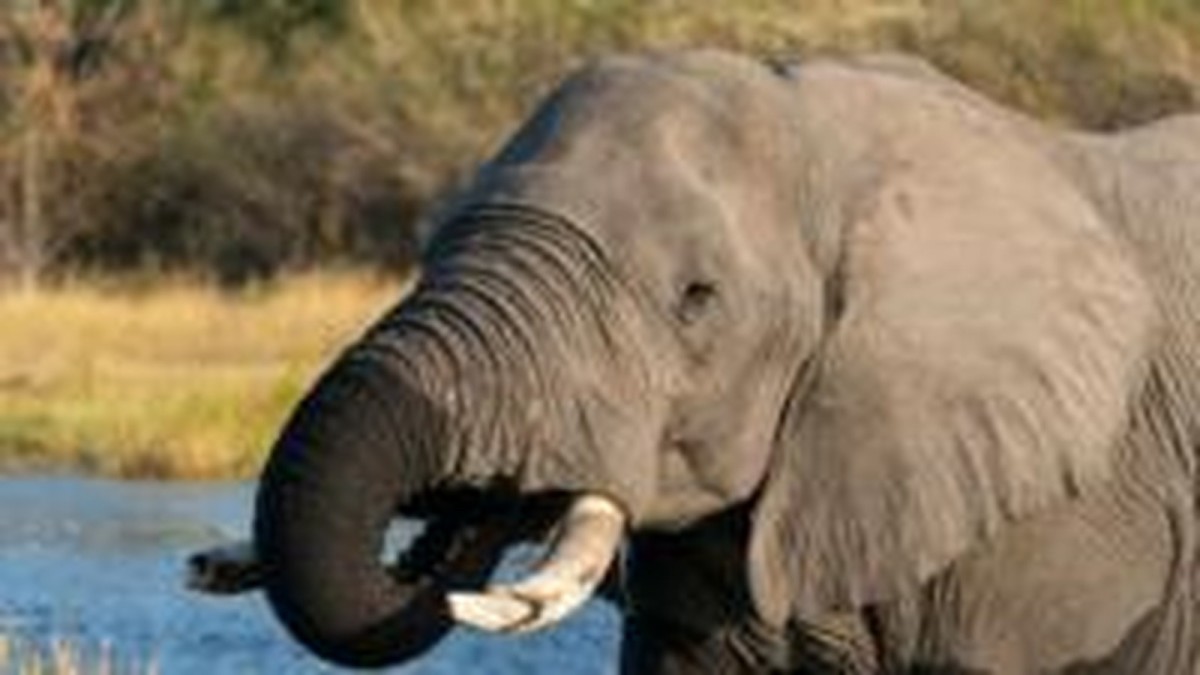
As Botswana marks the 60th anniversary of its independence from Britain, the nation finds itself at the centre of a heated debate over wildlife conservation, cultural tradition and public health. The government’s decision to authorize the killing of 23 elephants for the national festivities has drawn sharp criticism from animal‑rights groups, raised concerns among health officials, and sparked a broader conversation about how the southern African country manages its world‑leading elephant population.
Government licence and the scale of the hunt
A licence issued by the Ministry of Environment and Tourism authorises the hunting of 23 elephants, along with a number of other wild animals, for “complimentary purposes” during the Independence Day celebrations. The authorised elephants are to be distributed across eight districts, and local media have already shown images of residents gathering around carcasses, knives in hand, as they share the meat.
While the exact number of animals already killed was not confirmed at the time of writing, the licence reflects a policy that the current administration, led by President Duma Boko, has defended as a means of managing the country’s massive elephant population and generating income for rural communities.
Conservationists warn of a dangerous precedent
The Botswana-based Elephant Protection Society, a leading voice in wildlife advocacy, warned that the decision could undermine decades of conservation effort. Chairman Oaitse Nawa told the BBC that elephants “need greater protection” and cautioned that state‑sanctioned killings risk normalising the practice, potentially encouraging illegal poaching.
“Elephants have lost their social structures because they are always being pushed from one place to another by gunshots,” Nawa said, highlighting the social disruption caused by repeated culling. The society’s concern is that the celebratory context may send a message that killing elephants is acceptable whenever the government deems it convenient.
Health concerns amid a foot‑and‑mouth outbreak
Social media users have also raised alarms about the public health implications of serving game meat during an outbreak of foot‑and‑mouth disease. The disease, which spreads among livestock, has prompted authorities to impose containment measures, and many fear that the communal handling of raw elephant meat could exacerbate the spread of infection.
Local elder Tshenatshe Monwela, from the tourism town of Maun, argued that the community should have received buffalo instead, noting the cultural and ecological significance of elephants. His comment underscores a broader anxiety that the meat distribution process may not be sufficiently hygienic, especially for vulnerable groups such as the elderly, pregnant women and people with disabilities.
Distribution challenges and calls for better organisation
In the wildlife‑rich Chobe district, a local MP, Simasiku Mapulanga, posted on Facebook that residents were collecting portions directly from carcasses at a school. He warned that this ad‑hoc method risked congestion and unfair access, urging that the meat be processed into 5 kg or 10 kg packages to improve hygiene and ensure equitable distribution.
Mapulanga’s appeal for “dignity, fairness and public hygiene” reflects a practical concern: the current system, which allows people to gather meat from the field, may disadvantage those unable to travel or compete for the meat, raising questions about the inclusivity of the distribution plan.
Economic arguments behind regulated hunting
The government defends regulated hunting as a tool for managing human‑wildlife conflict and supporting local development. Rural communities living alongside Botswana’s more than 130,000 elephants often complain about crop damage, property loss and occasional human fatalities. By allocating a quota of elephant kills, the state aims to reduce these tensions while generating revenue.
Minister of Environment and Tourism Wynter Mmolotsi told parliament that special elephant quotas raised 15.6 million pula in 2025, earmarked for projects in areas where elephants are found. The proceeds are presented as a way to fund conservation initiatives and community development, a narrative that supporters of the policy argue is overlooked by international critics.
Historical context of hunting policy in Botswana
Botswana’s stance on hunting has shifted over the past decade. The country banned trophy hunting in 2014 under former President Ian Khama, only to lift the restrictions five years later under his successor, Mokgweetsi Masisi. The policy has continued under President Duma Boko, who won the 2024 election and has maintained the practice as part of a broader wildlife management strategy.
This evolution reflects a tension between preserving Botswana’s reputation as a wildlife haven and addressing the practical realities of coexistence between people and large mammals. The current controversy over the Independence Day elephant hunt is the latest flashpoint in a long‑running debate over how best to balance these competing priorities.
Looking ahead: possible paths for reconciliation
As the nation celebrates its diamond jubilee with carnivals, cultural performances and sporting events, the elephant controversy forces a national conversation about values, tradition and sustainability. Conservationists call for stricter limits on culling and greater investment in non‑lethal mitigation measures, such as electric fencing and community‑based monitoring.
Meanwhile, community leaders like Monwela and Mapulanga urge the government to consider alternative sources of meat that respect cultural sensitivities and public health. The dialogue emerging from this episode could shape future policy, potentially leading to more transparent quota setting, improved distribution logistics and stronger safeguards against disease transmission.
In the weeks ahead, the eyes of the continent will remain on Botswana, watching how it navigates the delicate balance between celebrating independence and preserving the majestic giants that roam its savannahs. The outcome may set a precedent for other African nations grappling with similar wildlife‑human coexistence challenges.
This article was produced with AI-assisted research and editorial support. Reporting is based on the source material cited below. Sources: BBC News Africa; bbc.co.uk; Global1.News (30 September 2026).
By Amara Diop, Staff Writer
What's Your Reaction?
 Like
0
Like
0
 Dislike
0
Dislike
0
 Love
0
Love
0
 Funny
0
Funny
0
 Wow
0
Wow
0
 Sad
0
Sad
0
 Angry
0
Angry
0

West Africa/Sahel Correspondent at Global1.News. Dakar-based journalist covering politics, security, climate, and development across Francophone and Anglophone West Africa. Tells the stories of a region undergoing profound transformation.













Comments (0)