
Puerto Rico's Film Industry Grows
There is a familiar hum in the air across the Caribbean these days, a sound that is part generator, part ambition, and part pure creativity. It is the sound of film crews setting up, of clapperboards snapping, and of local talent finding work in an industry that once seemed reserved for Hollywood backlots.
Puerto Rico's Film Industry Takes Centre Stage, Offering a Blueprint for the Caribbean
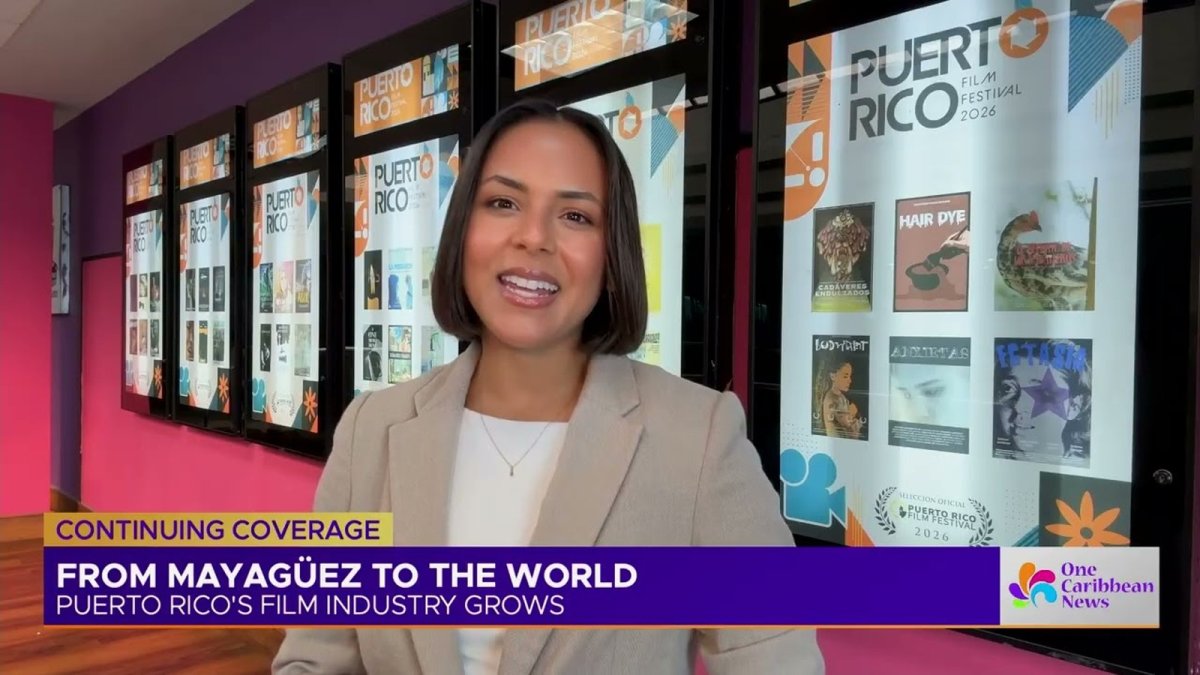
San Juan, Puerto Rico — The report lands at a pivotal moment. As the post-pandemic recovery continues to reshape tourism and investment patterns across the region, the creative industries have emerged as a serious pillar of economic diversification. Puerto Rico, often dubbed the “Hollywood of the Caribbean,” is leveraging its diverse landscapes, a skilled local workforce and a generous incentive framework to attract international productions — and the One Caribbean Television report highlights how this growth is creating jobs, building infrastructure and nurturing a homegrown film culture that could serve as a template for the entire region.
The Engine Room: Act 60 and the Tax Incentive Framework
At the heart of Puerto Rico’s ascent is Act 60-2019, the island’s comprehensive Incentives Code, which has become the cornerstone of its economic development strategy. The film tax credit offered under this legislation provides a base credit of 20 per cent, which can rise to as much as 40 per cent with various uplifts. These credits are transferable, meaning production companies can sell them to other businesses, adding a layer of financial flexibility that is highly attractive to financiers. The minimum spend required to qualify is roughly US$50,000, a relatively low threshold that opens the door for independent productions, while the programme operates under an annual cap of approximately US$38 million. This framework was recently reinforced by the Puerto Rico Department of Economic Development and Commerce (DDEC). On April 7, 2026, the DDEC issued Circular Letter DDEC 2026-003, which clarifies the tax and economic incentives available for Film Projects and Creative Industries under Act 60-2019, as amended. This administrative clarity is crucial; it signals to producers that the rules are stable and that the government is serious about maintaining a business-friendly environment. For a region where policy uncertainty can often scare off investment, this kind of official guidance provides a level of confidence that money follows. The numbers tell a compelling story. The Puerto Rico Film Commission has reported that roughly US$68.16 million in American Rescue Plan Act (ARPA) funds have been obligated, with about US$56.46 million already disbursed for both local and non-local productions. This injection of federal recovery money into the creative sector demonstrates a deliberate strategy to use film as a vehicle for economic revival. It is not merely about attracting foreign shoots; it is about building a sustainable ecosystem that can weather economic storms.Caribbean and Regional Impact: A Rising Tide or a Zero-Sum Game?
The One Caribbean Television report wisely frames Puerto Rico’s growth within the broader context of a regional creative-industries moment. The Dominican Republic has long been a player, with its own robust incentive programmes and established studio infrastructure. Jamaica has been making strides, leveraging its musical heritage and stunning locations. And closer to home, Trinidad and Tobago has been working to position itself as a hub, though our journey has been marked by fits and starts rather than a sustained sprint. This regional competition is not necessarily a bad thing. In fact, it can be a rising tide that lifts all boats. When Puerto Rico attracts a major Hollywood production, it creates a demand for crew, equipment, and services that can spill over into neighbouring markets. Caribbean professionals are increasingly mobile, and a trained gaffer or production accountant from Port of Spain might find work on a San Juan set, bringing back valuable experience and international contacts. The diaspora connection is also vital; Caribbean communities in New York, Miami, and Los Angeles serve as bridges, connecting regional talent to global production networks. However, there is a risk of a zero-sum dynamic if we are not careful. Puerto Rico’s aggressive incentives could draw productions that might otherwise have considered Trinidad or Jamaica. The key differentiator, as the report suggests, is not just the tax break but the entire package: infrastructure, crew depth, and ease of doing business. For the wider Caribbean, the lesson is clear. We cannot simply copy Act 60; we must build on our unique strengths, whether that is our Carnival aesthetic, our diverse locations, or our cultural authenticity, and package them with the kind of professional support that producers demand.
Local Perspectives and Community Impact: More Than Just Movie Magic
For the average person in the Caribbean, the film industry can seem distant, a world of red carpets and celebrity gossip. But the One Caribbean Television report grounds the story in tangible, community-level benefits. When a production comes to Puerto Rico, it does not just hire actors and directors. It needs electricians, carpenters, caterers, drivers, and hotel staff. It books out restaurants, rents equipment from local suppliers, and pays for location permits that feed municipal budgets. The knock-on effects for the hospitality and tourism sectors are significant, creating a multiplier effect that extends far beyond the set. This is where the report resonates most deeply with our Trinidadian reality. We know the power of Carnival to generate economic activity, but we have yet to fully harness the film industry in the same way. The jobs created are not just transient gigs; they are opportunities for skills training and career development. The report highlights how Puerto Rico has invested in training programmes, ensuring that local crew can move up the ladder from runner to department head. This is the kind of capacity building that transforms an industry from a fly-by-night operation into a permanent economic pillar. Moreover, there is a cultural dimension that cannot be overstated. When international productions film in the Caribbean, they bring our landscapes, our music, and our stories to a global audience. But when local productions are supported, we control the narrative. We tell our own stories, in our own voices, and we build an archive of our own history and imagination. This is not just about economics; it is about sovereignty and self-representation.Official Response and Next Steps: Navigating the Bureaucracy
The official response in Puerto Rico has been proactive, but it is not without its challenges. The legislative proposal known as Law 5, 2023, which seeks to raise the annual credits from US$38 million to US$100 million, remains under evaluation by the Fiscal Oversight Board. This board, established under the PROMESA Act to oversee Puerto Rico’s finances, has been cautious about expanding tax expenditures while the island continues its fiscal recovery. The outcome of this evaluation will be a bellwether for the industry’s future. If the cap is raised, it would signal a major expansion; if it is not, the industry may have to work smarter within existing constraints. In April 2025, Puerto Rico’s Chamber of Representatives moved to amend legislation so that productions filmed and distributed within Puerto Rico can benefit from enhanced incentives. This is a significant shift, as it aims to boost the local film sector’s economic impact rather than merely attracting foreign shoots. By rewarding local distribution, the government is encouraging the growth of a domestic industry that can build a sustainable audience and a self-reinforcing creative economy. This is a model that Trinidad and Tobago and other CARICOM nations should study closely. The timeline for these changes is still unfolding. The Fiscal Oversight Board’s decision on Law 5 has not been finalised, and the amendments from the Chamber of Representatives are still making their way through the legislative process. As with any government initiative, the gap between announcement and implementation can be wide. But the direction of travel is clear: Puerto Rico is doubling down on its creative industries, and it is doing so with a level of strategic intent that the rest of the region must match.Lessons for Trinidad and Tobago and the Wider CARICOM
So, what can we take from this One Caribbean Television report? First, the importance of a stable and generous incentive framework cannot be overstated. Our own film industry has long called for better tax breaks and a more streamlined process for obtaining permits and approvals. The Puerto Rican model, with its transferable credits and clear administrative guidance, offers a concrete example of how to structure these incentives effectively. Second, the report underscores the need for investment in human capital. A tax credit is only useful if there are skilled people to employ. Trinidad and Tobago has a wealth of creative talent, but we need to formalise training pathways, from technical colleges to on-set apprenticeships, to ensure that our crew can compete at an international standard. The Caribbean Academy for Film and Television, and similar initiatives, are steps in the right direction, but they need sustained government and private sector support. Third, we must think regionally. CARICOM has long talked about cultural cooperation, but the film industry offers a concrete opportunity for joint action. Imagine a Caribbean-wide film fund, or a shared database of locations and crew, or a mutual recognition of tax incentives for regional productions. By working together, we can create a critical mass that attracts global attention, rather than competing for scraps.Looking Ahead: The Future of Caribbean Cinema
The future of the film industry in the Caribbean is bright, but it is not guaranteed. Puerto Rico’s growth is a testament to what is possible with the right policies and political will. The One Caribbean Television report serves as both a celebration and a wake-up call. It celebrates the achievements of a Caribbean neighbour, but it also challenges the rest of us to ask why we are not doing more. In the coming months, we can expect to see further developments in Puerto Rico, particularly around the Fiscal Oversight Board’s decision on the credit cap and the implementation of the local distribution incentives. We should also watch for new production announcements, as the island’s pipeline continues to fill. For Trinidad and Tobago, the question is whether we will seize this moment or let it pass us by. The global demand for content is exploding, driven by streaming platforms and the insatiable appetite for new stories. The Caribbean has the stories, the locations, and the talent. What we need is the collective will to build the industry that our people deserve. As the credits roll on this latest report, one thing is certain: the Caribbean is no longer just a backdrop for other people’s films. We are becoming the authors of our own cinematic destiny. And that is a story worth telling, in every sense of the word. By Sharon Sahatoo, Staff WriterThis article was produced with AI-assisted research and editorial support. Reporting is based on sources cited in the article.
What's Your Reaction?
 Like
0
Like
0
 Dislike
0
Dislike
0
 Love
0
Love
0
 Funny
0
Funny
0
 Wow
0
Wow
0
 Sad
0
Sad
0
 Angry
0
Angry
0

Caribbean Correspondent at Global1.News. Based in Port of Spain, Trinidad, covering Caribbean politics, economy, energy, climate, and culture. Amplifying the voices and stories of the Caribbean region.















Comments (0)