
Twelve arrested for allegedly running cat trafficking ring in Vietnam
Vietnamese authorities have detained a dozen men accused of operating a cat‑theft network that supplied meat markets in Ho Chi Minh City. Police say the suspects confessed to stealing roughly 2,700 felines, using a combination of night‑time raids, baited traps and a fleet of motorbikes.
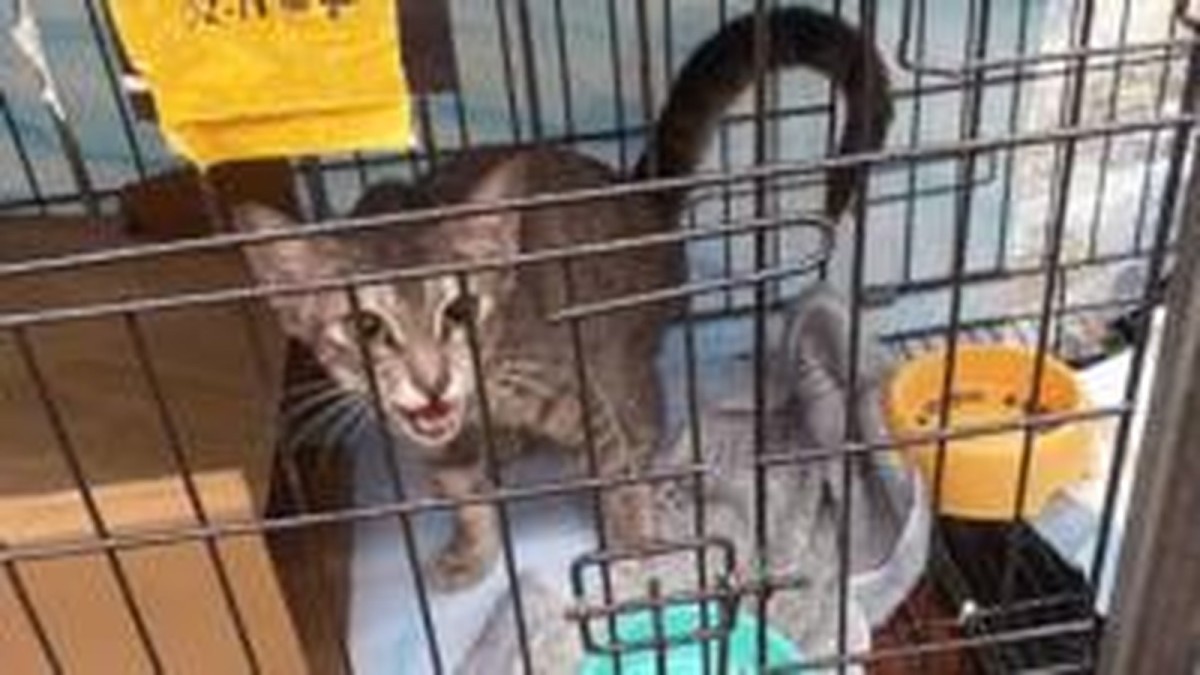
Vietnamese authorities have detained a dozen men accused of operating a cat‑theft network that supplied meat markets in Ho Chi Minh City. Police say the suspects confessed to stealing roughly 2,700 felines, using a combination of night‑time raids, baited traps and a fleet of motorbikes. The operation, uncovered in early July, highlights the scale of the illegal cat‑meat trade in a country where consumption of dog and cat meat remains legal, yet increasingly contested by a younger, pet‑loving public.
Scope of the alleged cat‑trafficking ring
The police investigation revealed that the twelve men worked in small, mobile groups, navigating residential districts on motorbikes after dark. Their method involved placing fish‑baited traps outside homes where cats were known to roam, then retrieving the captured animals for transport to slaughter facilities. According to the official police statement, each group typically seized four to ten cats per night, a figure that, when multiplied over the months of activity, aligns with the total of approximately 2,700 cats reported.
Seizure records from 8 July detail the material evidence recovered: 55 cat traps, two weighing scales, seven motorbikes, two fur‑removing machines, and a cache of 14 bags used to transport the animals. In addition, police confiscated 13 mobile phones, suggesting coordinated communication among the crews. Of the 50 cats physically seized during the raid, 13 were promptly returned to their owners, while the remainder were placed under the care of the animal‑welfare centre HavePaws.
Legal context of cat and dog meat consumption
Vietnam’s legal framework permits the consumption of dog and cat meat, provided vendors possess permits that certify the origin of the animals. Restaurants openly list such dishes on their menus, reflecting a cultural tradition that persists despite growing public health and animal‑welfare concerns. The permits are intended to regulate the supply chain, yet the alleged activities of the arrested men bypassed official channels, indicating a parallel black market that supplies meat to establishments without proper documentation.
The existence of a black market is underscored by the scale of animal capture reported by the animal‑protection group Humane World for Animals. The organisation estimates that annually, five million dogs and one million cats are captured, stolen, trafficked and slaughtered for meat across Vietnam. While the police operation targeted a single ring, the figures suggest a broader, systemic issue that extends beyond isolated criminal groups.
Public sentiment and shifting attitudes
Recent surveys point to a significant shift in Vietnamese public opinion, particularly among younger citizens and pet owners. A 2023 poll commissioned by Humane World for Animals found that 71 % of respondents supported a ban on the consumption and trade of cat meat. This growing opposition mirrors a broader regional trend where animal‑welfare advocacy is gaining traction, even as traditional culinary practices remain entrenched.
The shift is reflected in recent law‑enforcement actions. In June, authorities rescued more than 400 cats that were slated for slaughter after dismantling another alleged feline theft ring. Such interventions, coupled with heightened media coverage, are contributing to a heightened awareness of the ethical and health implications of the cat‑meat trade.
Operational details of the July seizure
The July raid was notable for the breadth of equipment seized. Police confiscated 55 cat traps, a number that suggests a pre‑planned, systematic approach to capture large numbers of felines. The two fur‑removing machines indicate that the perpetrators intended to process the animals on‑site, removing pelts for secondary markets or to conceal the origin of the meat. The presence of weighing scales further implies an organized operation that measured animals for sale, likely to standardise pricing for buyers.
Financially, the raid yielded 6.7 million Vietnamese dong in cash, a modest sum that nevertheless underscores the commercial nature of the enterprise. While the exact profit margins remain unclear, the combination of equipment, transport capacity and the volume of cats seized points to a profit‑driven motive rather than a purely subsistence‑based activity.
Impact on animal‑welfare infrastructure
The rescued cats were transferred to HavePaws, an animal‑welfare centre that now shoulders the responsibility of caring for dozens of felines awaiting reunification with owners or adoption. The centre’s involvement illustrates the growing capacity of civil‑society organisations to respond to mass‑rescue events, yet also highlights the strain placed on such facilities when large‑scale seizures occur.
In addition to the immediate care of the rescued animals, the incident has prompted calls for stronger coordination between law‑enforcement and animal‑welfare groups. The successful return of 13 cats to their owners demonstrates the potential for collaborative outcomes, but the remaining 37 cats in custody underscore the need for systematic post‑rescue support, including veterinary care, rehabilitation and long‑term placement solutions.
Broader implications for Vietnam’s animal‑trade policies
The exposure of this cat‑theft ring adds pressure on Vietnamese policymakers to reassess the regulatory framework governing the meat trade. While permits are currently required for vendors, the existence of an underground supply chain suggests gaps in enforcement and traceability. Strengthening inspection regimes at slaughterhouses, tightening permit issuance, and establishing a transparent supply‑chain audit could help curb illicit activities.
Moreover, the public’s growing opposition, as reflected in the 71 % support for a ban on cat meat, may embolden legislators to consider stricter controls or outright prohibitions. Any policy shift would need to balance cultural traditions with animal‑welfare concerns, public health considerations and the economic interests of those reliant on the meat trade.
Future outlook and the role of advocacy
The recent police actions, combined with heightened advocacy from groups like Humane World for Animals, suggest an emerging momentum toward curbing the illegal cat‑meat market. Continued public education, especially targeting younger demographics that already show strong anti‑cat‑meat sentiment, could further erode demand.
For Vietnam to move from reactive law‑enforcement to proactive prevention, a multi‑pronged strategy is required: stricter licensing, enhanced monitoring of animal‑trade supply chains, and expanded support for animal‑welfare organisations handling rescued animals. As the cultural conversation evolves, the balance between tradition and modern animal‑rights sensibilities will shape the trajectory of Vietnam’s approach to the cat‑meat trade in the coming years.
This article was produced with AI-assisted research and editorial support. Reporting is based on the source material cited below. Sources: BBC News Asia; bbc.co.uk; Global1.News (06 October 2026).
By Kenji Tanaka, Staff Writer
What's Your Reaction?
 Like
0
Like
0
 Dislike
0
Dislike
0
 Love
0
Love
0
 Funny
0
Funny
0
 Wow
0
Wow
0
 Sad
0
Sad
0
 Angry
0
Angry
0

Japan Correspondent at Global1.News. Tokyo-based voice covering Japanese politics, technology, economy, and culture. Tracks the intersection of tradition and innovation in one of the world's most dynamic societies.















Comments (0)