
GULF Strengthens Global LNG Portfolio with New Multi-Year Supply Agreement with ADNOC
Gulf Development Public Company Limited (GULF) announced on 6 October 2026 a fresh multi‑year sales and purchase agreement with Abu Dhabi National Oil Company (ADNOC).
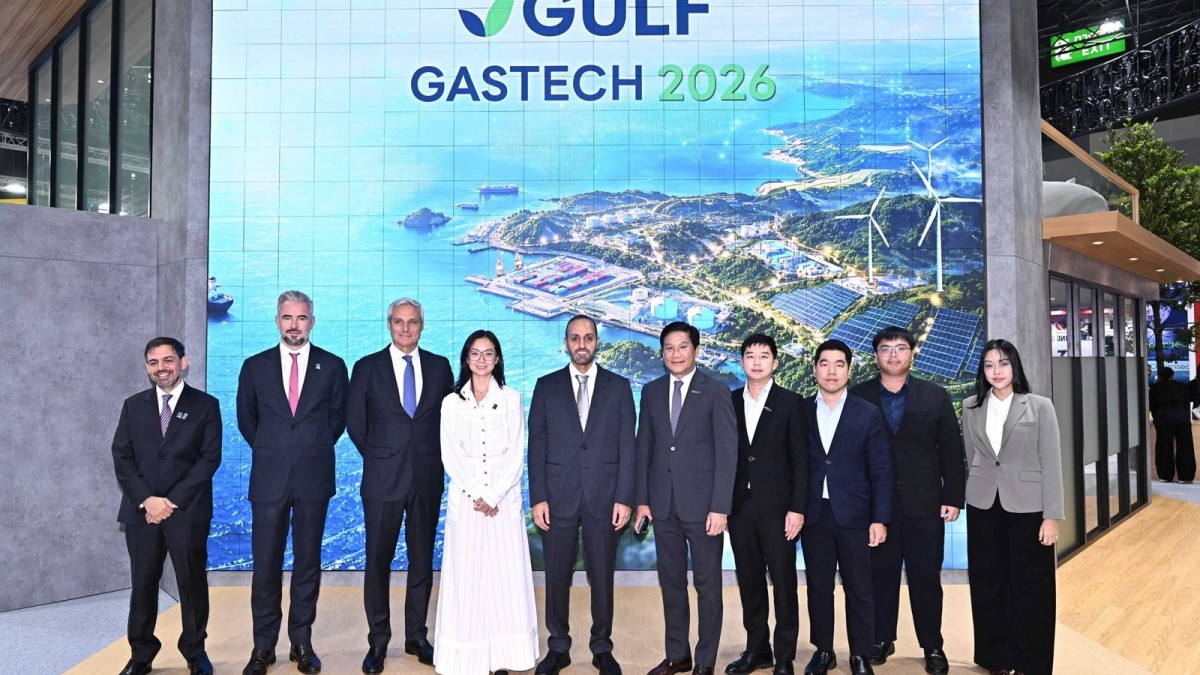
Gulf Development Public Company Limited (GULF) announced on 6 October 2026 a fresh multi‑year sales and purchase agreement with Abu Dhabi National Oil Company (ADNOC). The deal, which will see ADNOC Trading deliver close to two million tonnes of liquefied natural gas (LNG) to GULF beginning in 2027, is framed as a cornerstone of GULF’s ambition to build a diversified and resilient LNG portfolio. For Thailand, where energy security and sustainable development are woven into the fabric of daily life, the partnership offers a glimpse of how regional trade ties can echo the values of community, foresight and balance that are central to Buddhist teachings.
Deepening a partnership rooted in mutual trust
The new agreement extends a relationship that began with an initial LNG supply contract signed in 2025. Both parties present the continuation as a natural progression, underscoring a shared commitment to reliable energy flows across Asia. Mr Sarath Ratanavadi, chief executive of GULF, highlighted that the deal aligns with the company’s strategic direction to “build a diversified and resilient LNG portfolio” that can serve as a strong foundation for its trading business. By reinforcing existing links, GULF seeks to ensure that each step forward is grounded in the stability that Thai culture values – the steady rhythm of the rice‑planting seasons, the patience of a monk in meditation, and the careful stewardship of resources.
From ADNOC’s perspective, Acting CEO Nasser Al Muhairi framed the agreement as part of a broader effort to expand the Emirate’s presence in the Asian LNG market. He noted that the contract “reinforces ADNOC’s commitment to ensuring reliable energy supplies to our Asian customers,” reflecting a regional outlook that mirrors Thailand’s own emphasis on harmony and interdependence among neighboring nations.
Strategic significance for GULF’s trading business
The supply of close to two million tonnes of LNG over several years will anchor GULF’s trading operations, providing a reliable source of fuel that can be leveraged in markets across Southeast Asia. Mr Ratanavadi explained that the partnership not only secures the company’s LNG portfolio but also “creates further trading opportunities” in the Asian market. This dual benefit—security and growth—mirrors the Buddhist principle of “right livelihood,” where economic activity is pursued with mindfulness toward long‑term well‑being.
GULF’s broader strategy includes investing in infrastructure and shipping capabilities, a move that reflects Thailand’s own ongoing modernization of ports and logistics networks. By strengthening every link from upstream to downstream, the company aims to respond to “growing energy demand in the future while supporting the region’s energy transition,” a phrase that resonates with the Thai commitment to sustainable development and the country’s pledge to reduce carbon emissions in line with the Paris Agreement.
Implications for the Asian LNG market
ADNOC’s expansion into Asia through this agreement signals confidence in the region’s appetite for LNG as a bridge fuel toward cleaner energy. The deal’s timing—starting in 2027—coincides with a period when many Asian economies, including Thailand, are expected to balance economic growth with environmental stewardship. The flexibility and optionality highlighted by ADNOC’s Acting CEO suggest that the company is prepared to adapt to shifting demand patterns, much like Thai farmers adjust planting schedules in response to monsoon forecasts.
For regional traders, the agreement underscores the importance of diversified supply sources. GULF’s emphasis on building a “diversified and resilient” portfolio reflects a broader market trend: the desire to avoid over‑reliance on any single supplier, thereby enhancing energy security—a concept that aligns with the Thai cultural value of “sufficiency economy,” which advocates for prudent risk management and self‑reliance.
Infrastructure and shipping investments
GULF’s ongoing investments in infrastructure and shipping are central to its ability to handle the incoming LNG volumes. While the source material does not detail specific projects, the company’s statement about “progressively investing in infrastructure and shipping capabilities” indicates a forward‑looking approach. In Thailand, similar investments have been made in expanding port facilities in Laem Chabang and enhancing the nation’s LNG regasification capacity, reflecting a regional push to improve the physical backbone of energy trade.
These investments also carry a social dimension. By improving logistics and transport, GULF contributes to job creation and skill development, echoing the Thai principle of “making merit” through actions that benefit the community. Such developments can foster local pride and support the broader goal of inclusive economic growth.
Supporting the region’s energy transition
Both GULF and ADNOC frame the agreement as a contribution to the region’s energy transition. LNG, while still a fossil fuel, is often presented as a cleaner alternative to coal and oil, providing a stepping stone toward lower‑carbon energy systems. Mr Ratanavadi’s remarks about “supporting the region’s energy transition” highlight the company’s awareness of the shifting energy landscape and its desire to align commercial objectives with environmental responsibility.
This perspective resonates with Thailand’s own energy policies, which aim to increase the share of natural gas and renewable sources in the national mix. By securing a reliable LNG supply, GULF can help smooth the transition for Asian markets, ensuring that electricity and industry remain powered while renewable capacity continues to expand—a balance reminiscent of the Buddhist middle path, avoiding extremes and seeking harmony.
Potential trading opportunities and market dynamics
The new supply arrangement opens avenues for GULF to engage in spot trading, forward contracts, and other market activities across Asia. The company’s statement that the partnership “creates further trading opportunities” suggests that it may leverage the secured volume to negotiate favorable terms with downstream buyers, potentially including utilities in Thailand, Vietnam, the Philippines and beyond. Such activity could enhance price stability for end‑users, an outcome that aligns with the Thai cultural emphasis on community welfare.
Moreover, the flexibility emphasized by ADNOC—enhancing “scale, flexibility and optionality” of its LNG solutions—could allow GULF to adjust delivery schedules and volumes in response to market signals. This adaptability is crucial in a region where demand can fluctuate due to seasonal weather patterns, economic cycles, and policy shifts, much like how Thai merchants historically navigated the ebb and flow of trade along the Chao Phraya River.
Looking ahead: a resilient future for Asian energy
As the agreement takes effect in 2027, both GULF and ADNOC will be watching closely how the partnership influences broader market dynamics. The deal’s emphasis on resilience, diversification and flexibility reflects a shared understanding that energy security is not a static goal but a continuous process—much like the Thai practice of “mindful living,” where each moment is an opportunity to adjust and improve.
For Thailand, the development underscores the importance of regional cooperation in securing energy supplies while pursuing sustainable growth. By observing how GULF integrates this new LNG volume into its trading strategy, Thai policymakers and business leaders can glean insights into building a balanced energy future—one that honors the country’s cultural heritage, supports community prosperity, and aligns with the global shift toward cleaner, more reliable power sources.
This article was produced with AI-assisted research and editorial support. Reporting is based on the source material cited below. Sources: Khaosod English; khaosodenglish.com; Global1.News (06 October 2026).
By Ann Srisawat, Staff Writer
What's Your Reaction?
 Like
0
Like
0
 Dislike
0
Dislike
0
 Love
0
Love
0
 Funny
0
Funny
0
 Wow
0
Wow
0
 Sad
0
Sad
0
 Angry
0
Angry
0
Southeast Asia Correspondent at Global1.News. Based in Bangkok, covering Thai and Southeast Asian politics, economy, technology, and culture. Deep regional perspective on one of the world's most dynamic regions.









Comments (0)