
Youth groups ask SC to block law postponing barangay, SK polls to 2028
On Monday, October 5, a coalition of youth groups brought a fresh legal challenge before the Supreme Court, seeking to halt the implementation of Republic Act 12326, the law that pushes the Barangay and Sangguniang Kabataan (SK) elections to November 2028.
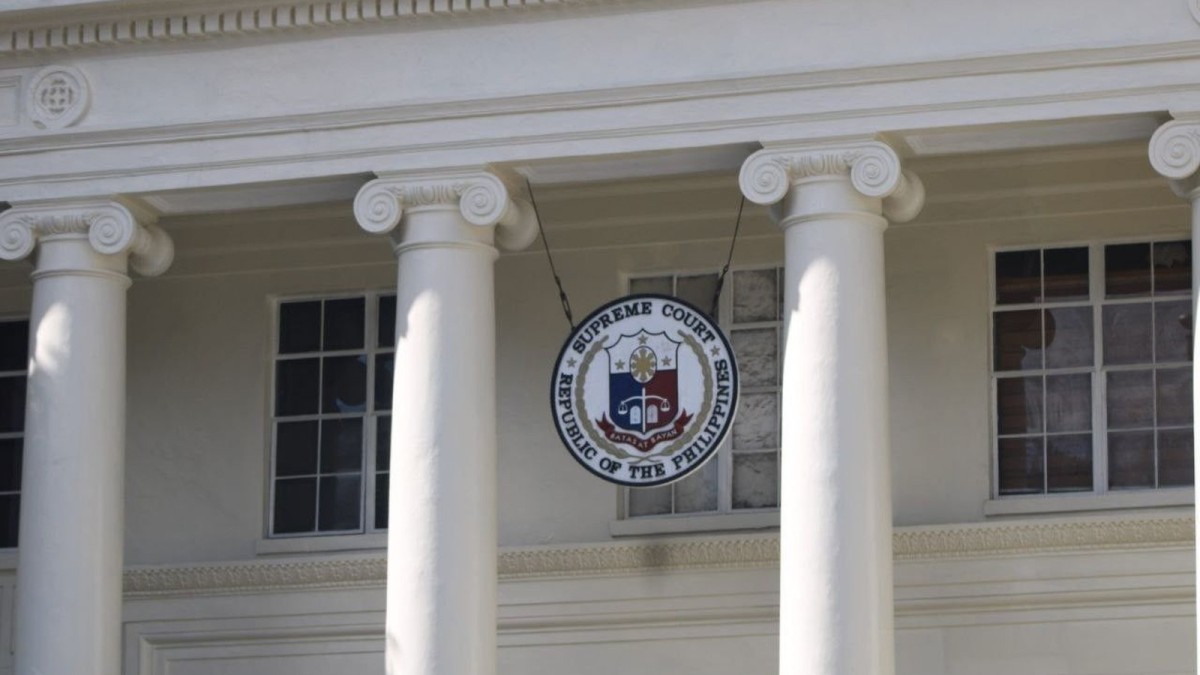
On Monday, October 5, a coalition of youth groups brought a fresh legal challenge before the Supreme Court, seeking to halt the implementation of Republic Act 12326, the law that pushes the Barangay and Sangguniang Kabataan (SK) elections to November 2028. The petition, filed as a Petition for Certiorari, Prohibition and Mandamus, also asks the Court for an urgent temporary restraining order or a writ of preliminary mandatory injunction. It marks the second formal assault on a law that has already reshaped the local election calendar, after a first petition was lodged by election law scholar Romulo Macalintal on September 28.
Background: A series of postponements
The Barangay and SK elections, traditionally held every three years, were slated for November 2, 2026, before the passage of Republic Act 12326. That law, signed by President Ferdinand Marcos Jr. on September 24, adds another two‑year delay, moving the polls to November 2028. This follows an earlier shift enacted through Republic Act 12232, which moved the elections from a planned December 2025 date to November 2026 and extended the term of barangay officials from three to four years.
Thus, within a span of just a few years, the term of barangay officials has been stretched from three to four years, and now to five years under the latest legislation. The youth petitioners argue that such successive extensions amount to a circumvention of constitutional limits on legislative power, pointing to the Supreme Court’s five‑point guidelines in the Macalintal case as a benchmark they believe the new law violates.
The petitioners’ grievances
The petition, filed by a coalition of youth leaders, sharply criticizes the 20th Congress for repeatedly altering election schedules and term lengths. In their filing, they describe the most recent postponement as “ONE TOO MANY,” warning that “successive resetting exposes the danger of allowing legislative form to prevail over constitutional limitations.” They contend that the law infringes on the electorate’s fundamental right of suffrage, a point first raised by Romulo Macalintal in his earlier petition.
By naming the Office of the President, the Commission on Elections (COMELEC), the House of Representatives and the Senate as respondents, the petition underscores the belief that the postponement was not merely an administrative adjustment but a coordinated legislative maneuver that sidesteps the democratic process at the barangay level, where ordinary Filipinos engage most directly with governance.
Legal avenues pursued
The petition seeks three distinct remedies: certiorari to review the law’s constitutionality, prohibition to stop the law’s enforcement, and mandamus to compel government agencies to comply with constitutional mandates. In addition, the urgent prayer for a temporary restraining order or a writ of preliminary mandatory injunction reflects the petitioners’ fear that the law’s effects will become irreversible if the elections proceed under the new schedule.
These legal tools are designed to halt the law’s implementation while the Supreme Court deliberates on its merits. If granted, a temporary restraining order could pause the election calendar shift, preserving the original November 2026 date until a final ruling is issued.
Impact on local governance and the youth
The barangay is the smallest political unit in the Philippines, serving as the frontline of public service and community development. SK officials, elected from among the youth, play a crucial role in representing young Filipinos in local decision‑making. Extending their terms to five years means that a generation of youth leaders could be locked out of electoral participation for a longer stretch, potentially diminishing the dynamism that barangay councils have traditionally enjoyed.
For ordinary families, the postponement translates into a longer wait for fresh leadership at the barangay hall, where decisions on health clinics, livelihood projects, and disaster preparedness are made. The delay also affects the rhythm of local political cycles that many Filipinos rely on to hold officials accountable through regular elections.
Historical context of election postponements
The last Barangay and SK elections were held on October 30, 2023. Since then, the election calendar has been reshaped twice: first by moving the December 2025 polls to November 2026 through Republic Act 12232, and now by pushing the November 2026 date to November 2028 via Republic Act 12326. Each legislative act has extended the term of barangay officials, first to four years and now to five years, marking a departure from the three‑year term originally set by law.
This pattern of postponement is not without precedent in Philippine politics, where extraordinary circumstances—such as natural disasters or public health emergencies—have sometimes justified election delays. However, the petitioners argue that the recent changes lack a compelling emergency rationale and instead reflect a legislative preference for term extension.
Potential ramifications for the Supreme Court
The Supreme Court’s decision will have far‑reaching implications beyond the barangay level. A ruling that upholds the law could signal judicial deference to legislative discretion in setting election schedules, potentially opening the door for future term‑setting statutes. Conversely, a decision that strikes down Republic Act 12326 could reaffirm the Court’s role as a guardian of the constitutional right to suffrage and set a precedent limiting Congress’s ability to alter election timelines without clear, constitutionally grounded justification.
Moreover, the Court’s interpretation of the “five‑point guidelines” articulated in the earlier Macalintal case will be scrutinized. Those guidelines, though not detailed in the source material, serve as a benchmark for assessing whether legislative actions respect constitutional limits. How the justices apply those standards to the present case will shape the balance of power among the branches of government.
What lies ahead for Filipinos
As the petition proceeds, ordinary Filipinos in barangays across the archipelago watch closely. For many, the barangay hall is where they resolve disputes, access basic services, and voice community concerns. The timing of elections affects not only who sits in those chairs but also the cadence of development projects and the accountability mechanisms that keep local officials responsive.
Should the Supreme Court grant a temporary restraining order, the November 2026 elections could proceed as originally scheduled, offering a near‑term opportunity for new leaders to emerge. If the Court denies the petition, the November 2028 date will stand, extending the current officials’ tenure and potentially reshaping the political landscape for the next half‑decade.
In any outcome, the case underscores the enduring tension between legislative maneuvering and constitutional safeguards—a tension that resonates deeply in a nation where democracy is lived out daily in barangays, sari‑sari stores, and the bustling streets of Manila alike. The youth’s bold legal challenge reflects a broader desire for participatory governance, reminding the nation that the health of its democracy depends on vigilant citizen engagement at every level.
This article was produced with AI-assisted research and editorial support. Reporting is based on the source material cited below. Sources: Philstar.com; Global1.News (06 October 2026).
By Bella Reyes, Staff Writer
What's Your Reaction?
 Like
0
Like
0
 Dislike
0
Dislike
0
 Love
0
Love
0
 Funny
0
Funny
0
 Wow
0
Wow
0
 Sad
0
Sad
0
 Angry
0
Angry
0

Philippines/Southeast Asia Correspondent at Global1.News. Manila-based journalist covering Philippine politics, environment, maritime security, and social issues. Passionate about marine conservation and the communities protecting the Philippines' natural heritage.









Comments (0)