
New York City Releases 170,000 Pages of 9/11 Air Quality Records, Showing Officials Knew of Toxic Conditions
New York City released 170,000 pages of 9/11 air quality records showing officials knew of toxic conditions at Ground Zero. Nearly 10,000 have died from related illnesses, double the 2,753 killed on the day itself. Mayor Mamdani said administrations withheld documents New Yorkers were owed.
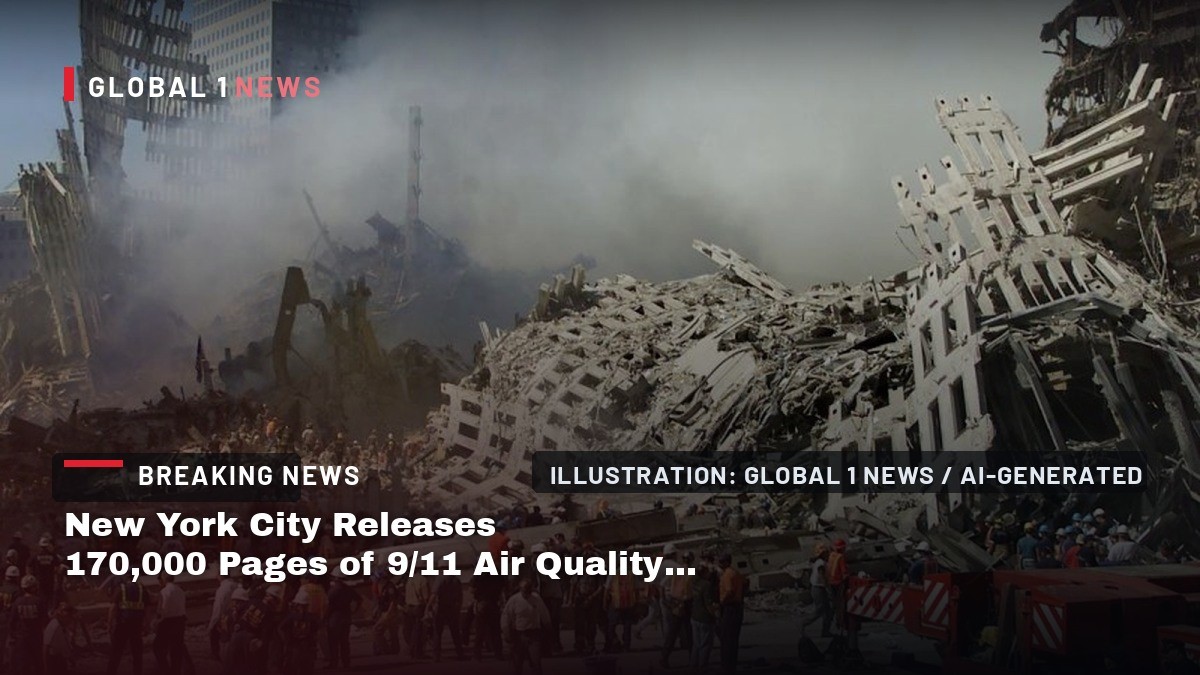
New York City has released more than 170,000 pages of previously undisclosed records concerning air quality in the aftermath of the September 11, 2001 attacks, revealing that city officials at the time were aware that conditions around Ground Zero were unsafe to breathe despite repeated public assurances to the contrary. Mayor Zohran Mamdani announced the release at a news conference on Tuesday, September 8, 2026, just days before the 25th anniversary of the attacks. The documents, which include air quality reports, contamination data, and correspondence among city officials, were discovered last year in 68 boxes stored in a city government office and have now been made available to the public through a searchable online portal.
The disclosure comes after years of litigation by advocacy groups and survivors who demanded transparency regarding what city leadership knew in the weeks and months following the collapse of the World Trade Center. The records are being released ahead of Friday's 25th anniversary commemoration, providing what officials describe as a fuller accounting of the city's response to the environmental disaster. Steven Banks, the city's corporation counsel, said the records include information about carcinogenic materials and other environmental hazards, with more documents to be added "on a rolling basis in the coming months."
Mayor Mamdani Confronts Decades of Official Denial
At Tuesday's news conference, Mayor Mamdani did not mince words about the significance of the release, directly addressing the human cost of what he characterized as official deception. "As the years pass and the human toll grows, we reckon with the cost of September 11th whenever another New Yorker is stolen from us too soon," Mamdani said. "Now, close to 25 years later, more people have died from 9/11-related illnesses than were killed on the day itself." The mayor's remarks frame the document release not merely as an administrative action but as a moral reckoning with the city's past failures.
Mamdani was blunt in his assessment of the conduct of previous administrations, stating, "People got sick because the leaders they trusted lied and told them they were safe to breathe in toxic air." When pressed by reporters on whether the yearslong delay in releasing the documents constituted a "cover-up," the mayor responded directly: "This was multiple mayoral administrations refusing to release documents that New Yorkers were owed." He added that generations of New Yorkers had been denied access to information, saying, "For a long time New Yorkers have known the truth, but they have been unable to see the truth in any document presented to them."
The mayor's language marks a significant shift in official acknowledgment of the city's role in the health crisis that has unfolded over the past quarter-century. His comments suggest that the release is intended to serve as both a historical record and a warning about the consequences of prioritizing institutional interests over public health. The timing, just days before the 25th anniversary of the attacks, appears deliberate, offering a somber counterpoint to memorial observances planned for Friday.
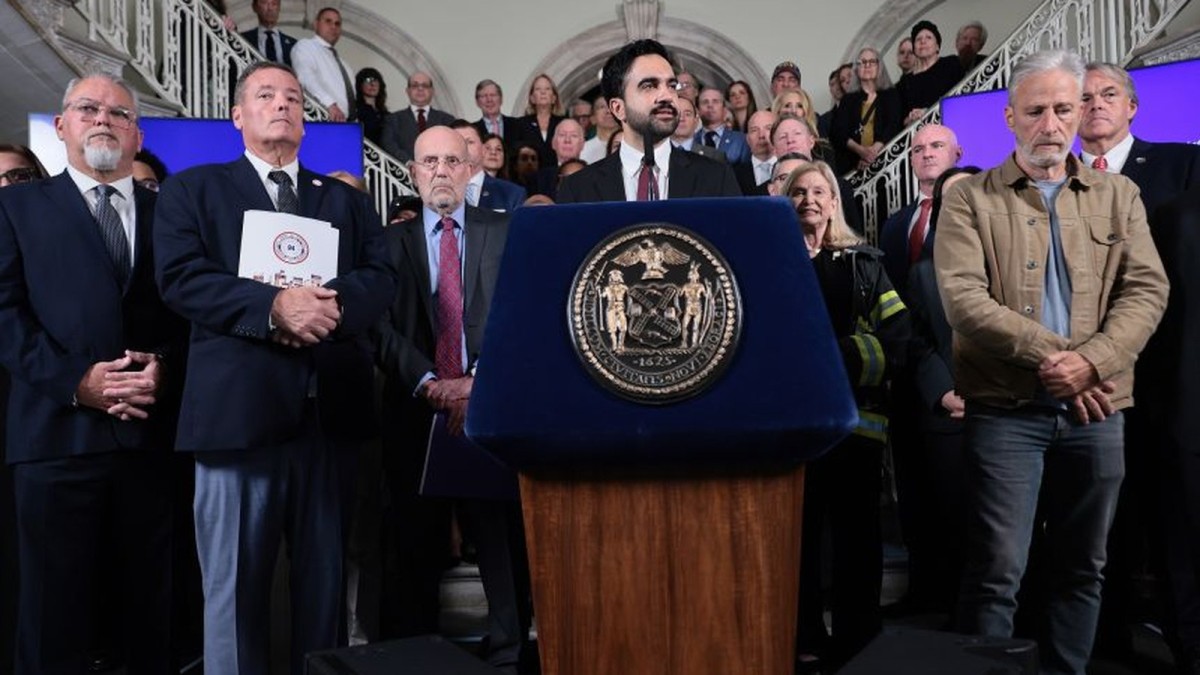
Jon Stewart Joins Call for Accountability
Jon Stewart, the longtime advocate for 9/11 first responders and survivors, appeared alongside Mayor Mamdani at the news conference, lending his considerable public platform to the cause. Stewart, who has spent years lobbying Congress and city officials on behalf of sickened responders, described the environmental contamination in visceral terms. "There was poison in the air, and on the ground, and in the window sills, and in your air conditioners and covering your pets and your clothes, and it stayed there for months," Stewart said. "Everyone knew. Now it's very clear that the city knew as well."
The comedian-turned-activist accused city officials of prioritizing a return to normalcy over public health concerns in the aftermath of the attacks. His presence at the announcement underscores the sustained pressure that advocates have applied to government bodies at all levels over the past 25 years. Stewart's advocacy has been credited with helping to secure federal funding for health programs and compensation for victims, and his involvement in this document release signals that the fight for full transparency is far from over.
Stewart's remarks echo the frustration of many survivors and family members who have long suspected that officials withheld critical information about the dangers of the air around Ground Zero. The release of these documents, he suggested, confirms what many had believed for years: that the city's assurances of safety were not based on ignorance but on a calculated decision to downplay risks. His appearance alongside the mayor also signals a rare moment of alignment between activists and city leadership on this issue.
The Harding Memo Reveals Anticipated Lawsuits
Among the most significant documents in the release is the so-called "Harding Memo," sent to then-Deputy Mayor Robert Harding in the aftermath of the attacks. According to reports from CNN and other outlets, the memo reveals that city officials anticipated thousands of possible lawsuits stemming from 9/11 air exposure and the lack of proper safety equipment provided to workers and responders. The memo also outlined legislative alternatives designed to limit the city's legal liability, suggesting that concerns about litigation shaped official decision-making in the disaster's wake.
The existence of the memo provides a rare window into the thinking of city leadership during the chaotic weeks following September 11, 2001. It suggests that officials were aware of the potential health consequences of the toxic dust and air even as they publicly declared the area safe for residents and workers to return. The document's focus on limiting legal exposure rather than addressing the underlying health risks has drawn sharp criticism from advocates who see it as evidence of misplaced priorities.
Steven Banks, the city's corporation counsel, said the records include information about carcinogenic materials and other environmental hazards that were present at the site. The Harding Memo, along with other internal correspondence, is expected to give researchers and the public a more complete picture of how city agencies coordinated their response and what information was shared with federal partners, including the Environmental Protection Agency. The memo's release is likely to fuel further scrutiny of decisions made in the immediate aftermath of the attacks.
Human Toll: Nearly 10,000 Deaths From 9/11-Related Illness
The human cost of the toxic exposure is staggering, and the newly released documents arrive against the backdrop of mounting casualties. According to September 11 Victim Compensation Fund data as of July 31, 2026, reported by the New York Post, 9,677 first responders and survivors have died of 9/11-related illness in the 25 years since the attacks. Of those deaths, 5,892 were attributed to cancer, and 57,044 cancer cases have been documented among responders and survivors. This figure is nearly double the 2,753 people killed at the World Trade Center on the day of the attacks.
The World Trade Center Health Program has enrolled at least 140,000 people from all 50 states, according to the 9/11 Memorial, with 49,000 diagnosed with certified WTC-related cancers. Notably, cancer was not covered when Congress created the health program in 2011; it was added in 2012 after a sustained fight by advocates and a study showing elevated cancer rates among New York firefighters who had worked at Ground Zero. The delayed inclusion of cancer in the program's coverage is itself a testament to the ongoing struggle for recognition of the attacks' long-term health consequences.
Mayor Mamdani noted that more people are eligible for assistance than are currently enrolled, including residents who lived near the site who have not received outreach and those who now live outside New York. This gap in enrollment suggests that the full scope of the health crisis may not yet be known, and that many who were exposed to the toxic air have not received the medical monitoring and treatment they need. The release of these documents may help identify additional individuals who should be enrolled in the health program.
A Family's Story: Robert Klingon's Fight for Justice
Karen Klingon, who lost her brother Robert Klingon after 9/11, attended Tuesday's news conference and shared her family's painful experience with reporters. Robert lived a five-minute walk from the World Trade Center when the towers came down and was subsequently treated through the WTC Health Program. In 2018, he collapsed on the street and learned he had a brain tumor; he died two years later. Karen told CNN that her brother's experience reflects a broader pattern of neglect by city officials.
"I think there wasn't just lack of transparency; there was a lack of regard for people, and I find that very disturbing," Karen Klingon said. She noted that her brother, a lawyer by profession, had a keen sense of justice and injustice. "He would have certainly been appalled by the injustice of the lack of transparency and the lack of concern for people who are still suffering," she added. Her testimony personalizes the statistical toll, reminding the public that behind each number is an individual whose life was cut short or irrevocably altered by the attacks' aftermath.
Robert Klingon's story also highlights the geographic scope of the exposure, affecting not only first responders who spent months at the site but also residents who lived in the surrounding neighborhoods. The fact that he lived just a five-minute walk from the World Trade Center underscores the reach of the toxic cloud that settled over Lower Manhattan. His case, and the thousands like it, raises questions about how many others in the area may have been exposed without ever being identified or enrolled in health programs.
The Legal Fight and the Road to Disclosure
The release of these documents resolves years of litigation brought by the advocacy group 9/11 Health Watch, which had sued the city to force disclosure of the records. Two lawsuits were settled as part of this release, ending a legal battle that had stretched on for years. For survivors and first responders sickened by the toxins, the lawsuits were a last resort after repeated requests for information were denied by successive city administrations.
The settlement represents a significant victory for transparency advocates, but it also raises questions about why the records were withheld for so long. The documents were reportedly found in 68 boxes stored in a city government office, discovered only last year. The fact that they sat undisclosed for nearly 25 years suggests either a systemic failure of record-keeping or a deliberate effort to keep the information out of public view. Mayor Mamdani's characterization of the delay as "multiple mayoral administrations refusing to release documents" points to the latter interpretation.
The New York Times, which reviewed documents ahead of their release, reported that measurements by city agencies, the Environmental Protection Agency, and privately contracted laboratories showed asbestos and other contaminants at above-acceptable levels in dust and air in parts of Lower Manhattan. EPA documents listed locations where asbestos and other contaminants were at hazardous levels, and benzene levels spiked in the air around the towers' footprints. These findings, now publicly available, confirm what many experts suspected at the time.
What the Records Show About Official Knowledge
The newly released records provide a detailed picture of what city officials knew in the days and weeks after September 11, 2001. According to reporting from the Associated Press and Axios, the documents include a fraction of the air quality reports taken at Ground Zero, along with internal memos and correspondence. The data shows that measurements of asbestos, benzene, and other contaminants exceeded acceptable levels in various parts of Lower Manhattan, information that was not fully shared with the public at the time.
The disclosure is expected to give the public a better understanding of how the city responded after the collapse as officials raced to restabilize Lower Manhattan and reopen the area. The tension between public health concerns and economic imperatives is evident in the documents, which show officials grappling with the need to reassure residents and businesses while confronting data that suggested significant health risks. The records may also shed light on the coordination between city, state, and federal agencies in the disaster's aftermath.
Axios noted, "Twenty-five years later, New Yorkers are still seeking a full accounting of what city officials knew about the toxic air around Ground Zero." This release, while substantial, may not be the final word. Steven Banks indicated that more records will be added on a rolling basis in the coming months, suggesting that additional documents may yet come to light. The searchable public portal, located at sept11documents.cityofnewyork.us, makes every document available for view and download at no cost.
Looking Ahead to the 25th Anniversary
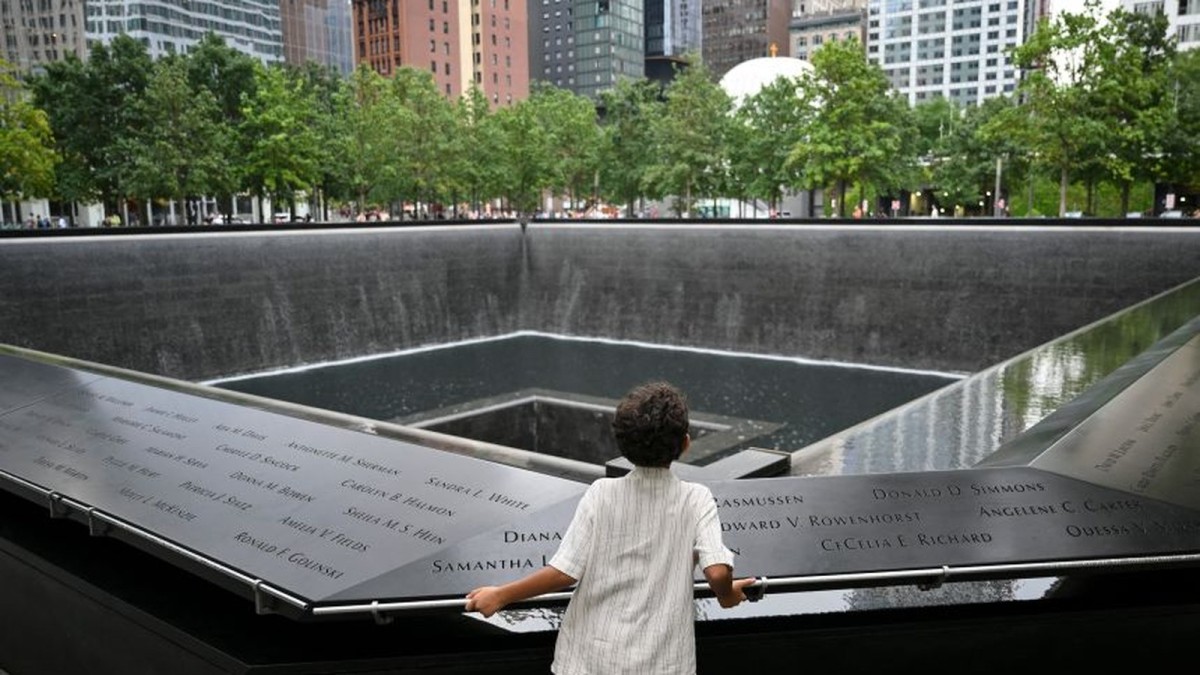
The release of these documents comes at a moment of national reflection, as the country prepares to mark the 25th anniversary of the September 11 attacks on Friday. Memorial events are scheduled throughout the week, and CNN Films' "Top of the World" and other 9/11 coverage are airing. The document release adds a layer of complexity to the commemorations, forcing a reckoning with the attacks' long-term consequences that extend far beyond the immediate loss of life.
For the families of the nearly 10,000 people who have died from 9/11-related illnesses, the anniversary is a time of both remembrance and continued advocacy. The release of these records may provide some measure of validation for those who have long suspected that officials withheld critical information. However, it also raises painful questions about whether earlier disclosure could have prevented some of the deaths and illnesses that have occurred over the past quarter-century.
Mayor Mamdani's acknowledgment that more people are eligible for assistance than are currently enrolled suggests that the work of identifying and supporting victims is ongoing. The health program's expansion to cover cancer in 2012 was a hard-won victory, but the full scope of the crisis may not be known for years to come. As the 25th anniversary approaches, the release of these documents serves as a reminder that the consequences of September 11 are still unfolding, and that the pursuit of justice and transparency remains unfinished.
This article was produced with AI-assisted research and editorial support. Sources: CNN, Associated Press, New York Post, Axios.
By Jessica Ali, Staff Writer
What's Your Reaction?
 Like
0
Like
0
 Dislike
0
Dislike
0
 Love
0
Love
0
 Funny
0
Funny
0
 Wow
0
Wow
0
 Sad
0
Sad
0
 Angry
0
Angry
0

Editor-in-Chief at Global1.News. Atlanta-based journalist who cuts through the BS and tells it like it is. Lead anchor, host, and the voice you hear when the spin stops and the truth starts.










Comments (0)